Reliable Truck Cooling Solutions for Côte d'Ivoire's Transport Industry
Discover reliable truck cooling solutions for Côte d'Ivoire's transport industry in 2026. Learn how parking air conditioners enhance driver safety and fuel savings.
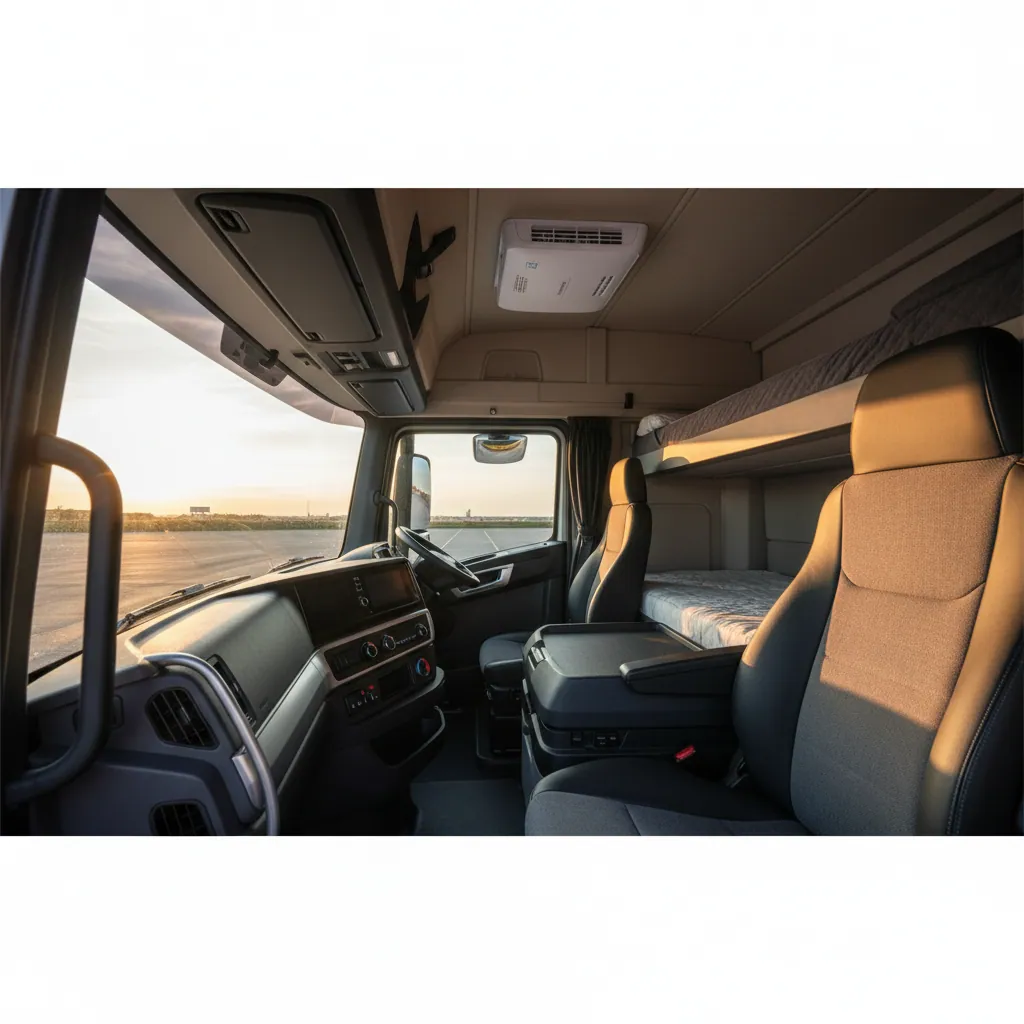
Côte d'Ivoire stands as one of West Africa's most dynamic economies, with Abidjan serving as the region's primary commercial and industrial capital. The country's transport sector forms the backbone of its economic growth, connecting the bustling port of Abidjan—one of the largest and most modern ports in West Africa—to markets across the country and throughout the sub-region. For the thousands of truck drivers who navigate Côte d'Ivoire's diverse terrain, from the humid coastal plains around Abidjan to the drier northern regions bordering Mali and Burkina Faso, the challenges are significant. Temperatures regularly exceed 35°C with high humidity along the coast, while the northern Sahelian regions experience extreme heat during the dry season. In this demanding environment, reliable truck cooling solutions have become essential equipment for transport operators committed to driver welfare and operational excellence.
The Ivorian transport industry has experienced remarkable transformation over the past decade, driven by infrastructure investments, port modernization, and the country's role as a gateway for goods destined for landlocked neighbors including Burkina Faso, Mali, and Niger. This strategic position makes Côte d'Ivoire's road network among the busiest in West Africa, with thousands of trucks moving goods daily along corridors like the Abidjan-Ouagadougou route and the Abidjan-Bamako highway. The drivers who operate these vehicles face not only the physical demands of long-haul transport but also the stress of navigating challenging climatic conditions. The implementation of parking air conditioning systems represents a significant advancement in addressing these challenges, providing drivers with comfortable resting environments that are essential for safety and productivity.
Côte d'Ivoire's climate presents unique challenges for commercial transport operations. The southern coastal regions experience a tropical climate with consistently high temperatures and humidity levels that make evaporative cooling ineffective. During the dry season, which runs from November to March, the Harmattan winds bring dust from the Sahara, creating conditions that can overwhelm conventional cooling systems. The northern regions experience even more extreme temperature variations, with daytime highs exceeding 40°C during the hottest months. For truck drivers who must take mandatory rest breaks during their journeys, these conditions make resting in an uncooled cabin not merely uncomfortable but potentially dangerous. Heat stress can impair cognitive function, reduce reaction times, and lead to serious health complications.
The economic case for parking air conditioning in Côte d'Ivoire's transport sector is compelling. Fleet operators are discovering that the investment in these systems delivers returns through multiple channels. First, the elimination of engine idling for cabin cooling produces significant fuel savings, particularly important given the volatile diesel prices that affect operating costs across West Africa. A typical long-haul truck can consume 15-20 liters of diesel daily through idling alone, representing a substantial cost over the course of a year. Second, improved driver welfare translates directly into reduced turnover rates and lower recruitment costs. In a region where experienced drivers are increasingly scarce, companies that provide superior working conditions gain a significant competitive advantage in attracting and retaining talent. Third, the safety benefits of well-rested drivers reduce accident rates and their associated costs.
The CoolDrivePro VS02 PRO has emerged as a preferred solution among Ivorian transport operators due to its robust construction and reliable performance in West African conditions. With its 9000 BTU cooling capacity, the unit can maintain comfortable cabin temperatures even when ambient temperatures exceed 40°C. The dual-rotary compressor technology ensures efficient cooling while minimizing power consumption, which is crucial for preserving battery life during extended rest periods. The system's ability to operate on both 12V and 24V electrical configurations makes it compatible with the diverse truck population operating in Côte d'Ivoire, where vehicles from European, Asian, and American manufacturers coexist. The unit's sealed design also provides protection against the dust that characterizes the Harmattan season and many of the country's unpaved roads.
Implementation of parking air conditioning systems in Ivorian fleets requires careful attention to electrical system compatibility. Many trucks operating in the country have electrical systems that were designed for basic lighting and starting functions, not for sustained high-current draws. Fleet operators are finding that investing in upgraded battery systems, often including deep-cycle batteries or lithium iron phosphate (LiFePO4) batteries, pays dividends in system reliability. Some operators are also exploring solar supplementation, installing panels on truck rooftops to extend parking AC runtime without engine charging. These integrated power systems represent the cutting edge of West African transport technology and are setting new standards for the industry.
The regulatory environment in Côte d'Ivoire is increasingly focused on driver welfare and road safety. The country's transport authorities have implemented regulations governing driver working hours and mandatory rest periods, recognizing that fatigue is a major contributor to road accidents. While parking air conditioning is not yet mandated, industry observers anticipate that regulations will continue to tighten as the sector modernizes. Forward-thinking operators are investing in these systems now, positioning themselves ahead of regulatory requirements while gaining immediate operational benefits. The trend toward improved driver welfare is also being driven by international clients, who increasingly include working condition standards in their supplier qualification processes.
Driver response to parking air conditioning in Ivorian fleets has been overwhelmingly positive. Professional drivers report that the ability to rest in a cool cabin transforms their working experience, allowing them to arrive at destinations alert and refreshed rather than exhausted from heat exposure. This improvement in working conditions is particularly important for attracting younger workers to the transport industry, which has struggled with an aging workforce across West Africa. For a generation that expects modern amenities, the presence of reliable cabin cooling is a significant factor in employment decisions. Companies that advertise air-conditioned resting facilities in their recruitment are seeing increased application rates and improved driver quality.
Maintenance support for parking air conditioning systems in Côte d'Ivoire has developed rapidly as adoption has increased. Abidjan has emerged as a service hub, with several specialized technicians now offering installation and repair services. Spare parts availability has improved, reducing the downtime that previously occurred when parts had to be ordered from overseas. Fleet operators are developing preventive maintenance programs that include regular filter cleaning—particularly important given the dust levels during the Harmattan season—refrigerant checks, and electrical system inspections. These programs extend equipment life and ensure reliable operation when drivers need it most.
The impact of climate change on Côte d'Ivoire's transport operations cannot be ignored. Rising temperatures and increasingly unpredictable weather patterns are making effective cooling systems even more essential for driver safety and operational continuity. The country's location in the tropics means that even small increases in average temperatures translate to significantly more days exceeding dangerous heat thresholds. Forward-thinking fleet operators are recognizing that investments in parking air conditioning are not just about current comfort but about future-proofing their operations against a warming climate. As global supply chains become increasingly concerned with environmental sustainability, the ability to demonstrate reduced emissions through eliminated idling also becomes a competitive advantage in securing international contracts.
The social impact of improved driver welfare extends beyond the immediate operational benefits. In a country where transport employment supports thousands of families, ensuring that drivers can work safely and comfortably has ripple effects throughout communities. Healthier drivers mean reduced healthcare costs and less family disruption due to heat-related illness. Improved working conditions also elevate the status of the profession, encouraging more young people to consider careers in transport and logistics. This human dimension of technology investment is particularly important in developing economies, where formal employment opportunities are highly valued and the wellbeing of workers directly affects community prosperity.
For transport operators in Côte d'Ivoire considering parking air conditioning implementation, the path forward is clear. Begin with a pilot program on a subset of vehicles to demonstrate benefits and refine installation procedures. Work with qualified technicians who understand both the technology and the specific challenges of West African operating conditions. Invest in electrical system upgrades where necessary to ensure reliable operation. Develop maintenance protocols that account for local conditions. And most importantly, communicate with drivers about the new systems and gather their feedback for continuous improvement. The investment in parking air conditioning is an investment in the future of your fleet and the wellbeing of the professionals who operate it.
Ready to upgrade your fleet with reliable truck cooling solutions? Contact CoolDrivePro today for wholesale pricing and technical consultation. Email: info@vethy.com | WhatsApp: +86 18561534326
Practical Benefits and Real-World Applications
The practical advantages of integrating a parking air conditioner into your vehicle extend far beyond simple comfort. For the use case described in this article—reliable truck cooling solutions for côte d'ivoire's transport industry—the benefits are both immediate and long-term. Immediate benefits include maintaining a safe, comfortable temperature in the vehicle cabin without running the engine, eliminating exhaust fumes, reducing noise pollution, and cutting fuel costs dramatically. A typical diesel engine consumes 0.8-1.5 liters per hour at idle solely for air conditioning; a battery-powered parking AC eliminates this entirely.
Long-term benefits include reduced engine wear (idling is particularly harsh on diesel engines, causing carbon buildup and accelerated oil degradation), lower emissions footprint, compliance with increasing anti-idling regulations, a