Start with the loads that must stay on
Write down the power in watts and the hours required for each load. A 20 W router running for eight hours uses 160 Wh. Two 10 W lights running for five hours use another 100 Wh. Together those loads need 260 Wh, or 0.26 kWh, before system losses. Their combined running power when all three are on is only 40 W. The same energy could be delivered over a shorter period at a much higher power.
| Example load | Calculation | Energy needed |
|---|---|---|
| Router | 20 W × 8 h | 160 Wh |
| Two lights | 2 × 10 W × 5 h | 100 Wh |
Read a battery rating in context
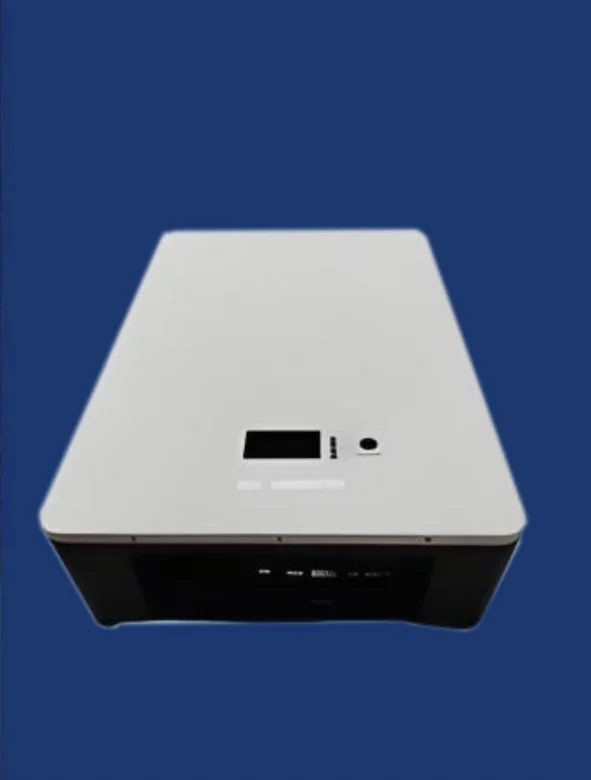
The JTD-5kwh-BG is listed at 51.2 V and 100 Ah. Multiplication gives 5,120 Wh, or 5.12 kWh nominal. The usable discharge window, reserve setting and inverter efficiency determine how much of that reaches AC appliances. For example, an assumed 80% usable window and 90% delivery efficiency would yield about 3.69 kWh. Those percentages illustrate the calculation. Request the figures for the quoted system.
Check simultaneous demand separately
Add the running watts of devices that can be on together. Record any motor or compressor starting requirement separately. Two loads consuming the same daily energy can place very different demands on an inverter. Check the battery’s permitted output current as well as inverter continuous and surge capabilities.
What to send for a backup estimate
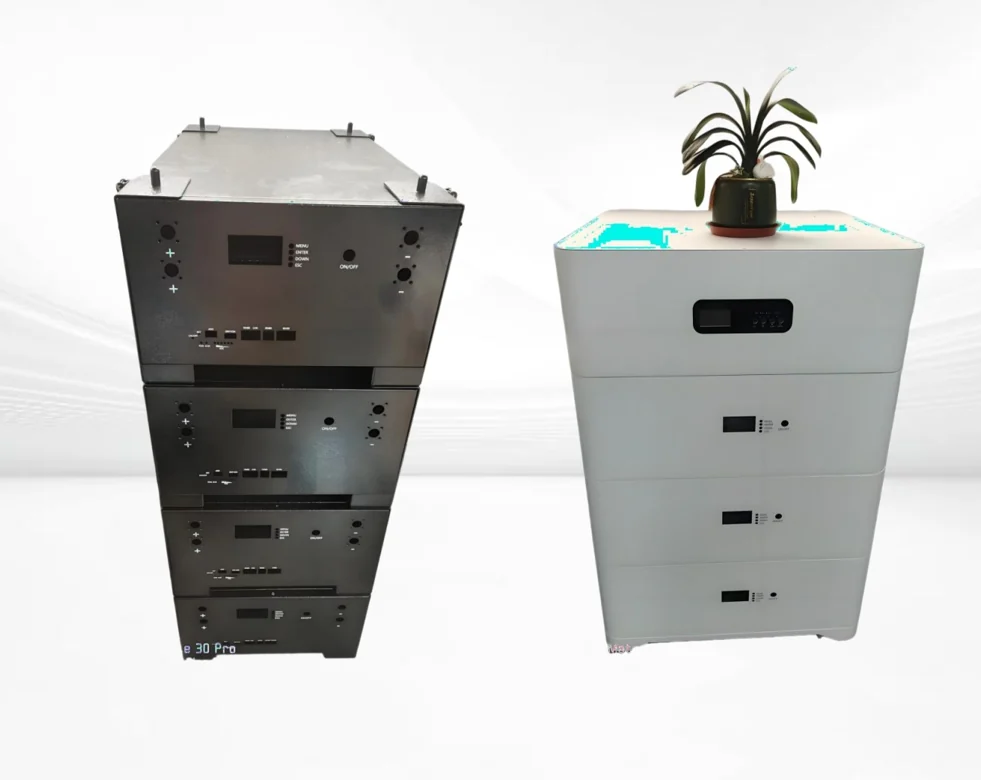
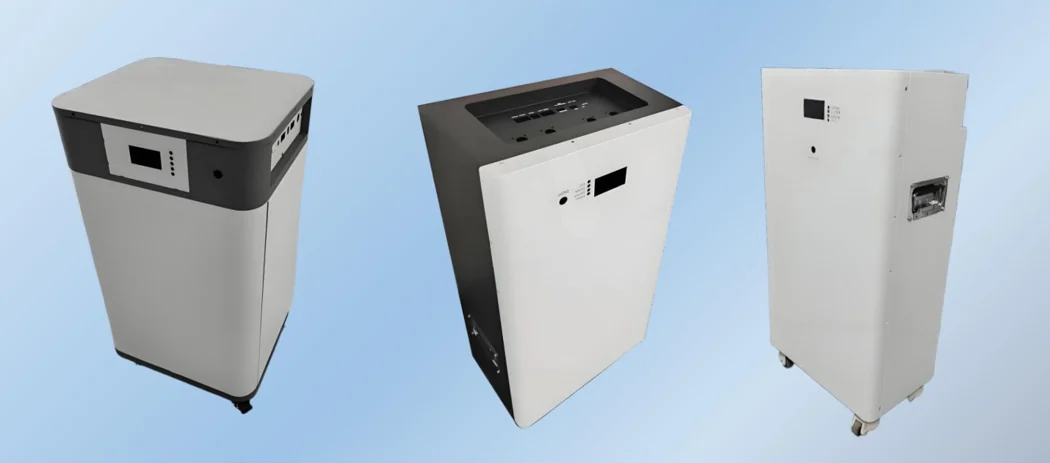
Send the appliance list, desired operating hours, inverter make and model, and the reserve you want to retain. Ask for two answers in the quotation: usable energy under those assumptions and supported simultaneous power. That makes proposals with different battery cabinet sizes easier to compare.