Dual Rotary Compressor Technology in Parking ACs: Why It Matters
[2026] Discover dual rotary compressor parking AC technology. Enhanced efficiency, real-world benefits for truckers, RVs, and vans. Sustainable mobile comfort.
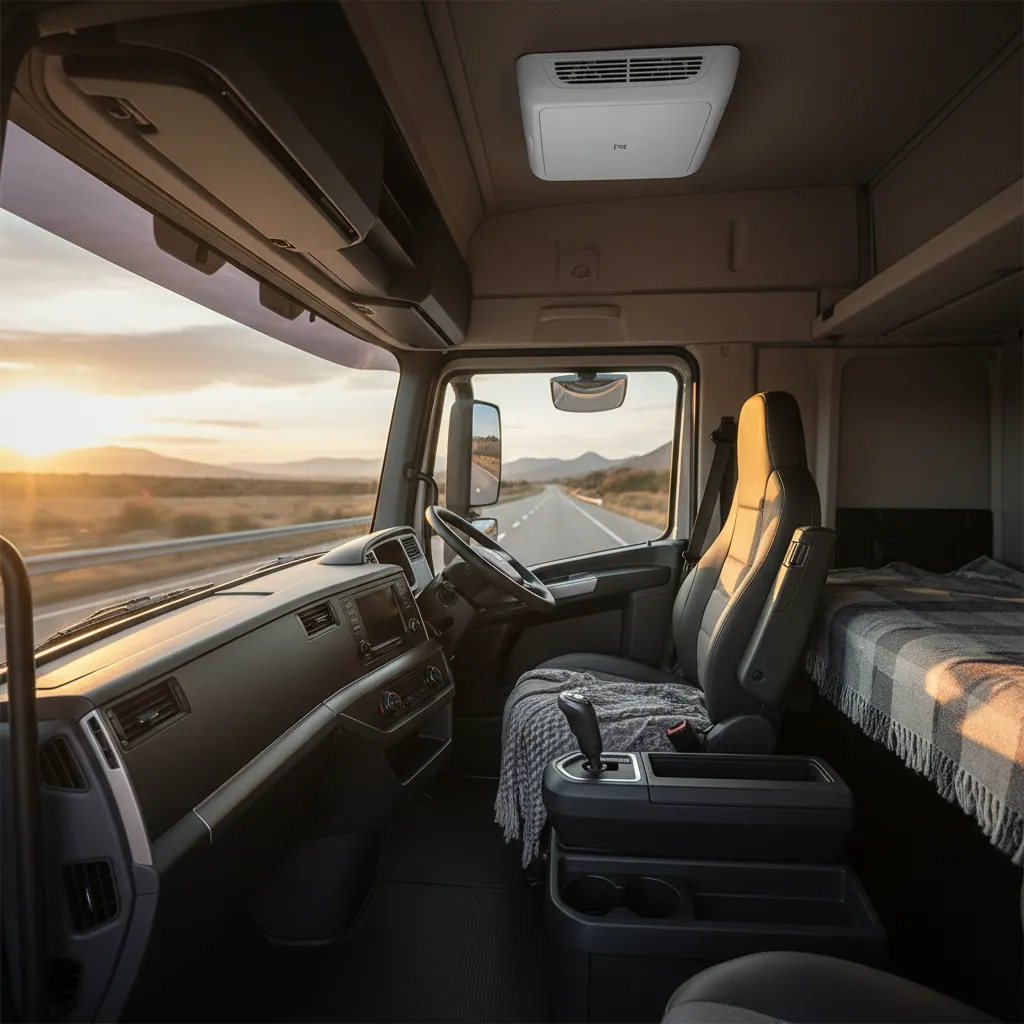
For long-haul truck drivers, RV enthusiasts, and van lifers, comfort on the road is paramount. After a long day of driving, a cool, quiet, and energy-efficient sleeping environment isn't just a luxury—it's a necessity for safety and well-being. Traditional vehicle air conditioning systems often fall short when the engine is off, leading to excessive idling, fuel waste, and environmental concerns. This is where dual rotary compressor parking AC technology steps in, offering a revolutionary solution that redefines comfort and efficiency for parked vehicles. This article will delve deep into the intricacies of dual rotary compressors, exploring their operational principles, significant advantages, and why they are becoming the gold standard for off-grid cooling solutions. We'll uncover how this advanced technology delivers superior performance, reduces operational costs, and contributes to a more sustainable future for mobile living. Understanding the science behind these compact powerhouses will empower you to make informed decisions for your next parking AC investment, ensuring you stay cool and comfortable, no matter where your journey takes you.
Understanding the Basics: How Rotary Compressors Work
Before we delve into the specifics of dual rotary compressor parking AC technology, it's essential to grasp the fundamental principles of how rotary compressors operate. Unlike traditional reciprocating compressors that use pistons to compress refrigerant gas, rotary compressors employ a rotating mechanism. In a typical single rotary compressor, a rolling piston or vane rotates within a cylinder, trapping and compressing the refrigerant. This continuous rotary motion minimizes friction and vibration, leading to smoother and quieter operation compared to their reciprocating counterparts. The process begins when low-pressure refrigerant vapor enters the compression chamber. As the rotor turns, it sweeps the vapor into a progressively smaller volume, increasing its pressure and temperature. This high-pressure, high-temperature vapor is then discharged to the condenser, where it releases heat and condenses into a liquid. The cycle then continues, providing a steady flow of cooled air. This design inherently offers several advantages, including a more compact size, fewer moving parts, and a generally higher volumetric efficiency. These characteristics make rotary compressors a popular choice in various refrigeration and air conditioning applications, laying the groundwork for the more advanced dual rotary systems we see in modern parking AC units.\n\nThe simplicity and robustness of single rotary compressors have made them a staple in many cooling systems. Their continuous compression cycle ensures a consistent flow of refrigerant, which translates to stable cooling performance. Furthermore, the reduced number of components compared to reciprocating compressors often leads to lower manufacturing costs and potentially fewer points of failure. However, even with these benefits, single rotary compressors have limitations, particularly when it comes to handling larger cooling loads or achieving exceptionally high levels of efficiency under varying conditions. This is where the evolution to dual rotary technology becomes critical, addressing these limitations and pushing the boundaries of what's possible in compact, high-performance air conditioning systems, especially for demanding applications like truck and RV parking ACs. The transition from single to dual rotary is a significant leap in engineering, designed to optimize performance and energy consumption.
Dual Rotary Advantage: Enhanced Efficiency and Performance
The leap from single to dual rotary compressor parking AC technology brings a multitude of benefits, primarily centered around enhanced efficiency and superior performance. A dual rotary compressor features two rotating compression elements working in tandem within a single unit. This synchronized operation allows for a more balanced and continuous compression cycle. As one rotor completes its compression stroke, the other is already beginning its own, resulting in a smoother flow of refrigerant and significantly reduced pressure pulsations. This inherent balance not only minimizes vibration and noise—a crucial factor for comfortable sleep in a parked vehicle—but also dramatically improves the compressor's overall mechanical efficiency. The continuous intake and discharge of refrigerant mean the compressor works less strenuously to maintain desired temperatures, leading to lower power consumption and extended battery life for electric parking AC systems. For truck drivers and RV owners, this translates directly into more hours of cooling without needing to idle the engine or worry about draining their power source prematurely.\n\nBeyond just mechanical efficiency, dual rotary compressors excel in thermodynamic efficiency, especially under varying load conditions. Their design allows them to operate effectively across a wider range of speeds, making them highly adaptable to different cooling demands. When less cooling is required, the compressor can slow down, consuming less power while still maintaining a comfortable cabin temperature. This variable speed capability, often coupled with inverter technology, means that the system isn't constantly cycling on and off at full power, which is a common cause of energy waste and wear in less advanced systems. Studies have shown that dual rotary compressors can achieve up to 30% higher Coefficient of Performance (COP) compared to single rotary or reciprocating compressors in similar applications, leading to substantial energy savings over the lifespan of the unit. This advanced control over refrigerant flow and compression volume ensures that the parking AC system delivers precise cooling with minimal energy expenditure, making it an ideal choice for off-grid applications where power conservation is critical. The robust construction and optimized operation also contribute to a longer service life, reducing maintenance needs and providing greater reliability for users on the road.
Real-World Benefits for Truckers, RVers, and Van Lifers
For those who call the road their home or workplace, the benefits of dual rotary compressor parking AC technology extend far beyond mere technical specifications. The most immediate and impactful advantage is the significant reduction in engine idling. Truck drivers, in particular, often idle their engines for hours to power their conventional AC systems, leading to substantial fuel consumption, increased engine wear, and unnecessary emissions. A high-efficiency parking AC powered by a dual rotary compressor can operate for extended periods on battery power, providing a cool and comfortable cabin without the need for engine operation. This not only saves hundreds, if not thousands, of dollars in fuel costs annually but also contributes to a quieter environment, both inside and outside the vehicle. Imagine a peaceful night's sleep without the constant rumble of a diesel engine, or the ability to relax in your RV without disturbing fellow campers. This quiet operation is a direct result of the balanced and smooth compression cycle inherent in dual rotary designs, making it a game-changer for on-road comfort and environmental responsibility.\n\nFurthermore, the compact size and lightweight nature of dual rotary compressors make them ideal for integration into space-constrained vehicle environments. Unlike bulky traditional units, these advanced compressors allow for more flexible installation options, including sleek rooftop or mini-split configurations that don't compromise interior space or vehicle aerodynamics. This is particularly beneficial for van lifers and RV owners who prioritize every inch of usable space. The robust construction, often designed to withstand the vibrations and harsh conditions of road travel, ensures long-term reliability and reduced maintenance needs. For instance, many dual rotary systems are engineered with enhanced sealing and durable components, leading to a lifespan that can exceed 10,000 operating hours. This durability, combined with the energy efficiency, means less downtime for repairs and more time enjoying the open road. Brands like CoolDrivePro leverage this technology to offer solutions that are not only powerful but also incredibly dependable, ensuring that your investment provides lasting comfort and peace of mind, whether you're parked at a truck stop, a remote campsite, or a scenic overlook.
Technical Deep Dive: Key Features and Specifications
To truly appreciate the superiority of dual rotary compressor parking AC systems, it's beneficial to examine some of their key technical features and specifications. At the heart of these systems is the compressor itself, often a DC inverter-driven twin-cylinder rotary unit. This means it operates on direct current (DC) power, making it highly compatible with vehicle battery systems, and utilizes inverter technology to precisely control the compressor's speed. Unlike fixed-speed compressors that operate at a single, constant speed, inverter-driven units can modulate their output to match the exact cooling demand. This variable speed operation is a cornerstone of their energy efficiency, allowing them to consume only the power necessary to maintain the desired temperature, rather than cycling on and off at full power. For example, a typical 12V or 24V dual rotary compressor might have a cooling capacity ranging from 5,000 to 12,000 BTU/hr, with a power consumption as low as 30-50 amps at peak, and significantly less during steady-state operation. This efficiency is further bolstered by the use of modern refrigerants like R410A, which offers superior thermodynamic properties and is more environmentally friendly than older refrigerants.\n\nAnother critical aspect is the robust construction designed for mobile applications. These compressors are built to withstand constant vibrations, temperature fluctuations, and the general wear and tear associated with life on the road. Many feature hermetically sealed designs, which prevent refrigerant leaks and protect internal components from dust and moisture, contributing to their IPX7 waterproof rating in some advanced models. The integration of advanced control electronics is also vital. These systems often include intelligent battery protection features that monitor battery voltage and automatically shut off the AC before the battery is drained to a critical level, ensuring the vehicle can still start. Furthermore, soft-start technology reduces the initial current draw, preventing sudden surges that can strain electrical systems. The compact footprint and low profile of these units are also significant, especially for rooftop installations, where height restrictions and aerodynamic drag are concerns. For instance, some top-mounted units are less than 7 inches tall, minimizing their impact on vehicle clearance and fuel efficiency. These technical advancements collectively contribute to a parking AC system that is not only powerful and efficient but also remarkably reliable and user-friendly, making them a smart investment for any serious road warrior.

Environmental and Economic Impact: A Sustainable Choice
The adoption of dual rotary compressor parking AC technology represents a significant step towards a more sustainable and economically viable future for the transportation and mobile living sectors. From an environmental perspective, the most profound impact is the drastic reduction in greenhouse gas emissions. By eliminating the need for engine idling to power climate control, these systems directly cut down on carbon dioxide, nitrogen oxides, and particulate matter released into the atmosphere. A single long-haul truck idling for 8 hours a day can consume over 2,000 gallons of fuel annually, releasing approximately 22 tons of CO2. Multiply this by millions of trucks, and the environmental savings from widespread adoption of efficient parking ACs become immense. Furthermore, the use of environmentally friendlier refrigerants like R410A, which has a lower Ozone Depletion Potential (ODP) compared to older refrigerants, further enhances the ecological footprint of these systems. This commitment to sustainability not only benefits the planet but also aligns with increasing regulatory pressures and corporate responsibility initiatives, making dual rotary parking ACs a forward-thinking choice.\n\nEconomically, the benefits are equally compelling. The initial investment in a high-quality dual rotary parking AC system is quickly offset by substantial operational savings. For commercial truck fleets, the reduction in fuel consumption alone can lead to thousands of dollars in savings per vehicle per year. Beyond fuel, decreased engine idling also translates to reduced engine wear and tear, extending the lifespan of vehicle components and lowering maintenance costs. Less idling means fewer oil changes, less strain on the exhaust system, and a reduced likelihood of costly engine repairs. For individual truck drivers, RV owners, and van lifers, these savings directly impact their bottom line, freeing up resources for other necessities or leisure activities. Moreover, the enhanced comfort and improved sleep quality provided by these systems can lead to increased productivity for professional drivers and a more enjoyable experience for recreational users. The return on investment (ROI) for a dual rotary parking AC can be as short as 12-18 months, making it a financially astute decision that pays dividends in both comfort and cost savings over many years of use. This blend of environmental stewardship and economic prudence makes dual rotary compressor technology an undeniable leader in the evolution of mobile climate control.
FAQ: Your Questions About Dual Rotary Compressor Parking ACs Answered
Q1: What makes dual rotary compressors more efficient than single rotary or reciprocating compressors?\n\nA1: Dual rotary compressors achieve higher efficiency primarily through their balanced and continuous compression cycle. With two rotating elements working in tandem, they provide a smoother flow of refrigerant and reduce pressure pulsations. This design minimizes friction and vibration, leading to less energy loss and quieter operation. Furthermore, many dual rotary systems incorporate inverter technology, allowing them to vary their speed and output precisely to match cooling demands. This variable speed operation prevents the constant on-off cycling of fixed-speed compressors, which is less efficient and causes more wear. The result is significantly lower power consumption, extended battery life, and superior cooling performance, especially under fluctuating load conditions. This makes them ideal for applications where power conservation is critical, such as in parked vehicles operating on battery power.\n\nQ2: How much power do these systems typically consume, and how long can they run on battery power?\n\nA2: Power consumption for dual rotary compressor parking AC systems can vary depending on the unit's cooling capacity, ambient temperature, and insulation of the vehicle. However, due to their high efficiency, many 12V or 24V systems consume as little as 30-50 amps at peak operation, and often much less during steady-state cooling. For example, a well-insulated truck cabin with a 12,000 BTU/hr unit might draw an average of 20-30 amps per hour. With a typical truck battery bank (e.g., 4 x 100Ah batteries providing 400Ah total usable capacity at 12V), such a system could potentially run for 10-15 hours or even longer, depending on the actual draw and battery health. Advanced battery management systems often include low-voltage disconnects to protect your vehicle's starting battery, ensuring you always have enough power to start your engine. For extended off-grid use, supplemental power sources like solar panels or auxiliary battery banks are highly recommended.\n\nQ3: Are dual rotary compressor parking ACs difficult to install or maintain?\n\nA3: While the installation of any vehicle AC system requires some technical knowledge, dual rotary compressor parking ACs are often designed with ease of installation in mind, particularly for aftermarket applications. Many units come as pre-charged, self-contained systems, simplifying the refrigerant handling process. Installation typically involves mounting the unit (rooftop or back-of-cab), connecting to the vehicle's electrical system, and routing ductwork if necessary. It's always recommended to have installation performed by a qualified technician to ensure proper sealing, electrical connections, and optimal performance. In terms of maintenance, these systems are generally very low-maintenance due to their robust and hermetically sealed designs. Regular checks include cleaning filters, inspecting electrical connections, and ensuring no obstructions to airflow. The reduced number of moving parts and smooth operation also contribute to a longer lifespan and fewer mechanical issues compared to older compressor technologies.\n\nQ4: Can these systems operate effectively in extreme temperatures?\n\nA4: Yes, dual rotary compressor technology is particularly well-suited for operating in a wide range of ambient temperatures, including extreme heat. Their robust design and efficient compression mechanism allow them to maintain stable performance even when external temperatures soar. The continuous and balanced compression reduces stress on the components, making them more resilient to thermal fluctuations. Furthermore, the variable speed capability means the compressor can ramp up its output when faced with higher heat loads, ensuring consistent cooling. Many manufacturers, including CoolDrivePro, design their parking AC units with dual rotary compressors specifically for the demanding conditions faced by truck drivers and RVers in hot climates, ensuring reliable and effective cooling when it's needed most. This capability is a significant advantage over less advanced systems that may struggle or become inefficient in very hot environments.
Choosing the Right Dual Rotary Compressor Parking AC
Selecting the ideal dual rotary compressor parking AC for your truck, RV, or van life setup involves considering several key factors to ensure optimal performance, efficiency, and longevity. First and foremost, assess your cooling needs. This includes the size of your cabin or living space, the typical ambient temperatures you'll encounter, and your desired comfort level. A larger space or hotter climate will naturally require a higher BTU/hr (British Thermal Unit per hour) capacity. Most parking ACs range from 5,000 to 12,000 BTU/hr. For example, a standard sleeper cab might be well-served by an 8,000 BTU/hr unit, while a larger RV could benefit from a 10,000-12,000 BTU/hr system. Don't just focus on peak capacity; consider the unit's ability to maintain a comfortable temperature efficiently over extended periods, which is where the variable speed capabilities of dual rotary compressors truly shine. Look for systems with a high Coefficient of Performance (COP) or Energy Efficiency Ratio (EER) to maximize battery life and minimize power consumption. A COP of 3.0 or higher is generally considered excellent for these applications.\n\nNext, evaluate the power source and battery system in your vehicle. Dual rotary parking ACs are typically available in 12V or 24V configurations. Ensure the unit you choose is compatible with your vehicle's electrical system and that your battery bank has sufficient capacity to support the AC for your desired run time. As mentioned in the FAQ, consider augmenting your power setup with additional batteries or solar panels for prolonged off-grid use. Installation type is another crucial consideration. Top-mounted units, like the CoolDrivePro VS02 PRO, are popular for trucks due to their integrated design and minimal footprint, but they require roof access and proper sealing. Mini-split systems, such as the CoolDrivePro VX3000SP, offer more flexible indoor unit placement and often quieter operation, but involve running refrigerant lines and electrical connections between indoor and outdoor units. Finally, research the manufacturer's reputation, warranty, and customer support. A robust warranty (e.g., 2-3 years on the compressor) and readily available spare parts are indicators of a quality product and a company that stands behind its technology. Reading reviews from other truck drivers, RV owners, and van lifers can also provide invaluable real-world insights into a unit's performance and reliability. By carefully weighing these factors, you can select a dual rotary compressor parking AC that provides years of reliable, efficient cooling, enhancing your comfort and quality of life on the road.
Conclusion: Embrace the Future of Mobile Comfort
In summary, dual rotary compressor parking AC technology represents a significant advancement in mobile climate control, offering unparalleled efficiency, performance, and reliability for truck drivers, RV owners, and van lifers. By understanding the sophisticated engineering behind these compact powerhouses, it becomes clear why they are rapidly becoming the preferred solution for off-grid cooling. From their ability to drastically reduce engine idling and fuel consumption to their quiet operation and robust design, dual rotary compressors deliver tangible benefits that enhance comfort, save money, and contribute to a healthier environment. The technical innovations, including variable speed operation and advanced battery protection, ensure that you can enjoy consistent, comfortable temperatures without compromising your vehicle's electrical system or peace of mind. Investing in a parking AC system equipped with this cutting-edge technology is not just about staying cool; it's about embracing a smarter, more sustainable way of life on the road.\n\nReady to experience the superior comfort and efficiency that dual rotary compressor technology offers? Upgrade your mobile living experience today with CoolDrivePro. Whether you're looking for a powerful top-mounted solution like the CoolDrivePro VS02 PRO or a versatile mini-split system such as the CoolDrivePro VX3000SP, CoolDrivePro has a cutting-edge parking AC designed to meet your specific needs. Visit our website or contact a dealer to find the perfect cooling companion for your next journey and transform your time on the road into an oasis of comfort. For a deeper look at the technical side, the guide on Parking Air Conditioner Buying Guide 2025: Everything You Need to Know Before You Buy goes into specifics that most buyers overlook. The practical considerations around How Many BTU Do You Need for a Parking Air Conditioner? Complete Sizing Guide are worth reading alongside this — there's significant overlap in what matters for real-world performance. For deeper detail, see our battery-powered RV air conditioner guide.