Reliable Truck AC Solutions for Zambia's Copper Belt Operations
[2026] Reliable truck parking air conditioners for Zambia's Copper Belt mining operations. Proven cooling solutions for fleets serving Kitwe, Ndola, and Chingola. 24V systems reduce fuel costs by 3-4L/hour.
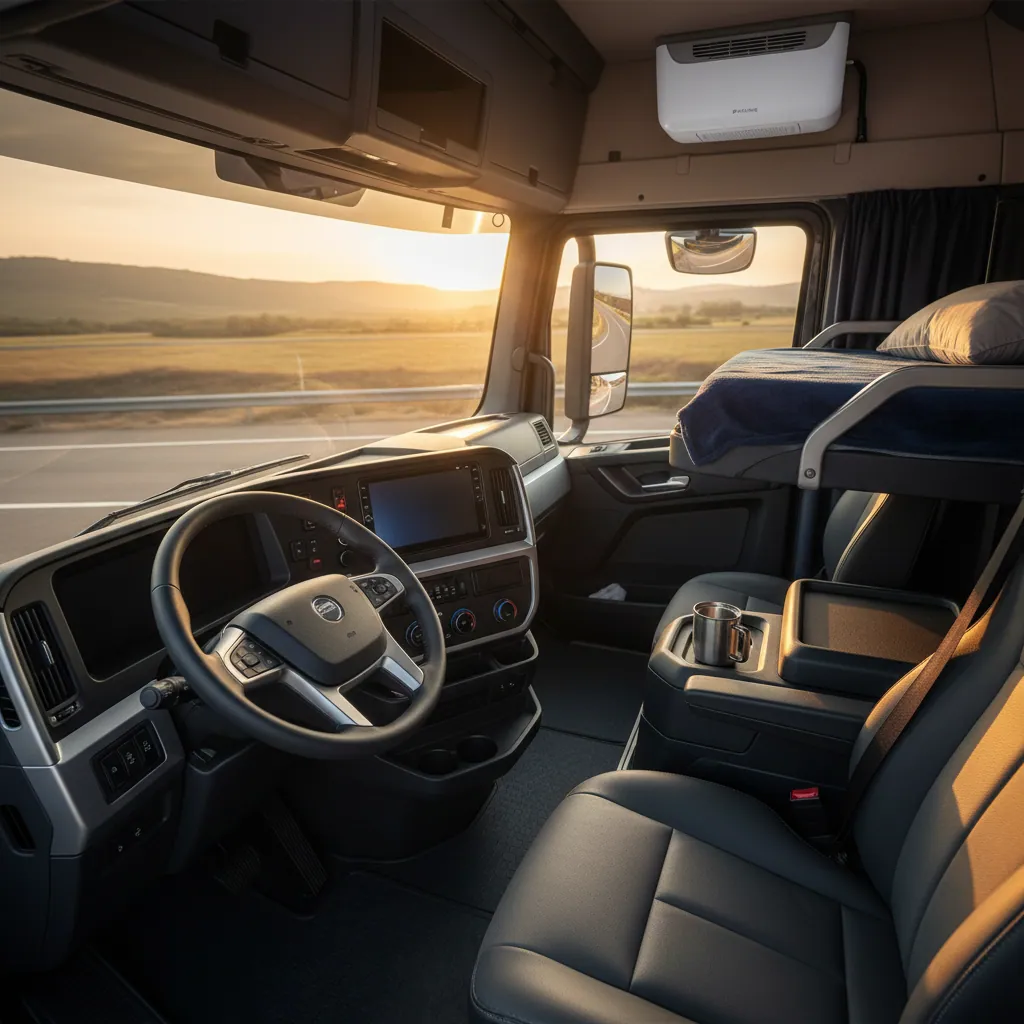
Zambia's Copper Belt stands as one of the world's most significant mining regions, producing copper and cobalt that power global industries from electronics to electric vehicles. The transport fleets that serve this mining heartland operate in conditions that demand exceptional reliability—extreme heat, dusty environments, and remote locations where equipment failure can strand drivers for days. For Copper Belt transport operators, choosing the right parking air conditioning equipment is not merely a matter of driver comfort but a strategic decision that impacts operational efficiency, safety performance, and bottom-line profitability. The region's mining industry has operated for over a century, yet modern demands for efficiency and safety have made advanced equipment like parking AC systems essential rather than optional.
The cities of Kitwe, Ndola, Chingola, and Mufulira form the core of Zambia's mining logistics network, with transport routes radiating outward to border crossings with the Democratic Republic of Congo, Tanzania, and South Africa. These towns developed specifically to support mining operations and remain dependent on the industry for their economic vitality. Trucks operating these corridors carry mining equipment, processing chemicals, fuel, and consumables to mining operations, then haul copper concentrate and finished metal to smelters and export points. The roads connecting these centers vary from paved highways to rough tracks, subjecting vehicles to constant stress. The tropical climate of the Copper Belt region subjects these vehicles to intense heat during the long dry season, with temperatures regularly exceeding 35°C and occasionally reaching above 40°C. In these conditions, a truck cabin without air conditioning becomes effectively uninhabitable during rest periods.
The mining sector that dominates Zambia's economy operates continuously, with transport fleets running around the clock to maintain production schedules. Mining processing plants cannot be easily stopped and started, making continuous material supply essential. This operational tempo creates unique challenges for driver management—fatigue becomes a critical safety concern, and the ability to rest effectively during shift changes directly impacts accident rates and insurance costs. Mining companies track safety metrics closely, and contractors with poor safety records face contract termination or exclusion from future bidding. Parking air conditioners enable quality rest even during the hottest periods, allowing drivers to recover properly between shifts. Transport operators who invest in this equipment report measurable improvements in safety metrics and driver retention, both of which translate directly to reduced operational costs and improved contract security.
Zambia's power supply challenges add complexity to transport operations in ways that make parking air conditioning particularly valuable. While the country has made progress in expanding generation capacity, load-shedding remains a reality in many areas, and transport depots may lack reliable grid power for conventional air conditioning. The power infrastructure in mining areas, while generally better than in rural areas, can still experience interruptions. Parking air conditioners that operate from vehicle battery systems provide independence from grid limitations, ensuring driver comfort regardless of external power availability. For operators running depot facilities in areas with unreliable electricity, this autonomy eliminates dependency on generator power and the fuel costs associated with running auxiliary equipment. Battery-powered systems ensure that drivers can rest comfortably even during extended power outages.
The economic justification for parking air conditioning in Zambian Copper Belt operations combines direct fuel savings with operational benefits that extend across the business. The math is straightforward and compelling—idling to power conventional air conditioning consumes approximately 3-4 liters of diesel per hour—a significant cost when accumulated across a fleet operating multiple shifts. A 24V parking air conditioner eliminates this consumption entirely, recovering its purchase cost through fuel savings alone within 12-18 months for actively utilized vehicles. Additional benefits include reduced engine wear from decreased idling, lower maintenance costs, and improved driver retention that reduces recruitment and training expenses. When all factors are considered, the payback period often shortens to less than a year for heavily utilized vehicles.
Voltage selection for Zambian mining transport fleets is straightforward—heavy trucks and articulated vehicles universally operate on 24V electrical systems. This standardization across the industry simplifies equipment selection and ensures compatibility. Our CoolDrivePro VS02 PRO and comparable 24V parking air conditioners are engineered specifically for these applications, with dual-rotary compressors that deliver 2500W of cooling capacity while drawing power efficiently from standard truck battery configurations. The electrical integration must be performed correctly to ensure reliable operation and protect vehicle electrical systems—professional installation by qualified technicians is strongly recommended for all fleet installations. Correct installation ensures optimal performance and prevents electrical problems that could affect vehicle reliability.
Dust management represents a critical maintenance consideration for parking air conditioners operating in Zambia's mining regions. The Copper Belt's mining operations generate enormous quantities of dust, and the unpaved haul roads create additional airborne particles that infiltrate every opening. The fine dust generated by mining operations and unpaved haul roads can infiltrate air conditioning systems, reducing cooling efficiency and causing premature component failure. Quality parking AC systems incorporate robust filtration and sealed electrical enclosures that resist dust penetration. Regular filter maintenance—weekly during the dry season, monthly during the wet season—maintains airflow and protects internal components. These simple procedures, performed consistently, significantly extend equipment life and maintain cooling performance in dusty conditions.
Water management in the humid Copper Belt climate requires attention to condensate drainage from air conditioning systems. The high humidity means that air conditioners produce significant quantities of condensate water during operation. Proper drainage prevents water accumulation in the cabin, which could lead to corrosion, mold growth, and unpleasant odors. Our systems incorporate effective condensate management that removes water from the cabin while preventing backflow or leakage. The drainage systems are designed to be easily checked and cleared if blockages occur, ensuring continued proper operation even in dusty conditions where drain lines might become obstructed.
The competitive landscape for Zambian mining transport is evolving as international mining companies implement stricter contractor standards and local operators upgrade capabilities to meet them. The major mining companies operating in Zambia are typically multinational corporations with global safety and welfare standards that apply across all their operations. Transport contracts increasingly specify equipment requirements and driver welfare provisions, with operators who cannot meet these standards excluded from bidding for premium work. Parking air conditioning represents a visible, verifiable investment in driver welfare that supports contract qualification and relationship maintenance with major mining clients. As the Zambian mining sector continues to attract international investment, equipment standards that meet global expectations become essential for market participation.
Installation and after-sales support for Zambian fleet operators benefits from the country's established transport infrastructure and regional service capabilities. Zambia's central location and relatively stable infrastructure make it easier to support than some neighboring countries. We provide comprehensive installation documentation and can offer remote technical support to guide local installation teams. Our spare parts inventory includes components commonly required for maintenance and repair, with shipping arrangements to Lusaka, Kitwe, or other Zambian locations. For major fleet operators, we recommend establishing preventive maintenance programs that include regular filter replacement, refrigerant level verification, and system performance checks.
For Zambian Copper Belt transport operators seeking reliable parking air conditioning solutions, we offer products engineered for the extreme conditions of African mining operations. Our 24V systems deliver the cooling capacity, dust resistance, and reliability that Zambian applications demand. Contact our team at info@vethy.com or WhatsApp +86 18561534326 to discuss your specific fleet requirements, receive detailed technical specifications, and obtain a customized quotation. We understand the unique challenges of Zambia's mining logistics sector and are committed to supporting your operations with equipment that performs reliably in the world's most demanding transport environments.
The transition to electric vehicles and renewable energy is creating new demand for copper and cobalt from Zambian mines, positioning the country strategically in global decarbonization efforts. Transport operators serving this expanding industry must meet the sustainability and responsibility standards that international buyers require. While parking air conditioning may seem unrelated to these concerns, the equipment demonstrates operational responsibility and worker welfare commitment that aligns with broader sustainability goals. Transport providers who can document comprehensive driver welfare programs support their mining clients' ESG reporting and customer assurance activities.
Zambia's role as a regional transport hub extends beyond its own mining industry to serve neighboring countries including the DRC, Malawi, and Zimbabwe. This positioning creates opportunities for transport operators who can handle international freight efficiently and professionally. Cross-border operations require documentation compliance, vehicle reliability, and driver competence that casual operators cannot provide. Investment in modern equipment like parking air conditioning signals capability and professionalism that qualifies operators for international contracts and cross-border permits. As regional trade integration progresses, these capabilities become increasingly valuable for market access.
The global energy transition and increasing electrification of transport and industry ensures sustained demand for Zambian copper and cobalt for decades to come. Transport operators who establish themselves as reliable partners