Parking AC Solutions for Burkina Faso's Landlocked Transport Challenges
Explore 2026 parking AC solutions for Burkina Faso's transport challenges. Essential cooling for trucks facing 45°C+ heat and 2,200km trade routes.
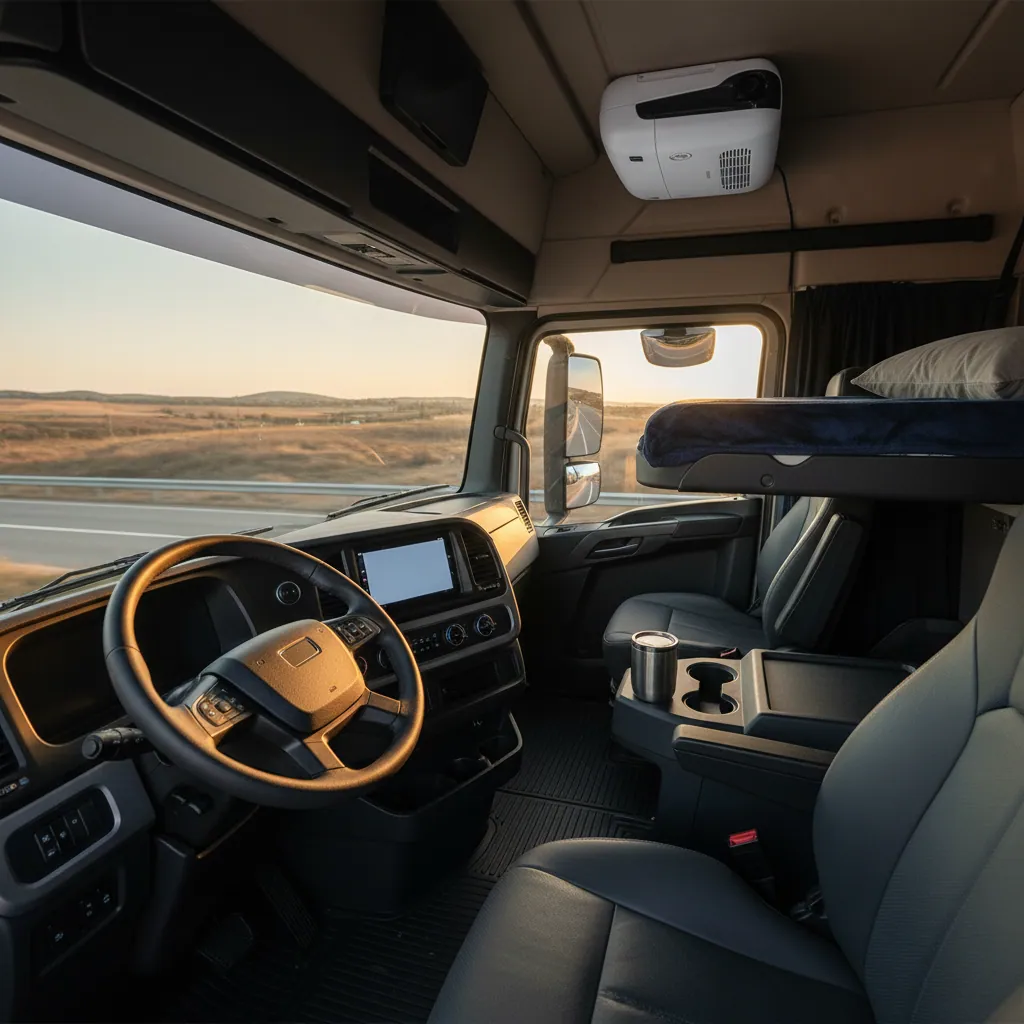
Burkina Faso, a landlocked nation in the heart of West Africa, faces unique and formidable challenges in its transport and logistics sector. With no direct access to the sea, the country depends entirely on overland routes through neighboring countries—primarily Côte d'Ivoire, Ghana, Togo, and Benin—to connect with international markets. This geographical reality makes Burkina Faso's trucking industry the literal lifeline of the economy, responsible for moving everything from essential food imports to mining equipment and consumer goods. The drivers who undertake these long-haul journeys face some of the most demanding conditions in African transport: extreme Sahelian heat, often exceeding 45°C during the hot season, long distances through remote territories with limited services, and the physical and mental stress of being away from home for extended periods. In this challenging environment, parking air conditioning has emerged as an essential technology for maintaining driver health, safety, and operational efficiency.
The critical importance of trucking to Burkina Faso's economy cannot be overstated. The country's main commercial corridor stretches over 1,100 kilometers from the Port of Abidjan in Côte d'Ivoire to the capital city of Ouagadougou, with additional major routes connecting to the ports of Lomé, Tema, and Cotonou. These corridors handle virtually all of Burkina Faso's international trade, from the gold that drives the mining sector (now accounting for 12% of GDP) to the petroleum products that power the economy to the food imports that supplement domestic agriculture. Any disruption to these transport links has immediate and serious consequences for the Burkinabé economy and population. The reliability and efficiency of the trucking sector is therefore a matter of national economic security, making investments in driver welfare and vehicle technology essential priorities.
The climatic challenges facing truck drivers in Burkina Faso are among the most severe in Africa. The country experiences a Sahelian climate characterized by extreme heat, low humidity, and significant temperature variations between day and night. During the hot season from March to May, daytime temperatures regularly exceed 45°C, while the sun-baked surfaces of roads and vehicles can reach 60°C or higher. The dry season brings the Harmattan, a dusty wind from the Sahara that blankets the country in fine dust and creates challenging conditions for both people and equipment. For drivers resting in uncooled truck cabins, these conditions create serious health risks, including heat exhaustion, heat stroke, and chronic dehydration. The ability to rest in a cool, protected environment during mandatory breaks is not a luxury but a fundamental requirement for maintaining driver health and safety.
The distances involved in Burkina Faso's international transport operations make driver rest quality particularly critical. A round trip from Ouagadougou to Abidjan and back covers over 2,200 kilometers and typically takes 5-7 days, with drivers required to take mandatory rest periods along the route. Without adequate cooling, these rest periods fail to provide the physical and mental recovery that drivers need to remain alert and safe on the road. Studies have consistently shown that heat stress impairs cognitive function, reduces reaction times, and increases the risk of accidents. For Burkina Faso's trucking industry, where drivers navigate long distances on often poorly maintained roads shared with unpredictable local traffic, maintaining mental acuity is a matter of life and death.
The economic case for parking air conditioning in Burkina Faso's trucking sector is compelling from multiple perspectives. First, the fuel savings from eliminating engine idling for cabin cooling are significant, particularly given the long distances involved in most journeys. A truck that idles for 6-8 hours daily during rest periods can consume 20-30 liters of diesel, representing a substantial cost over the course of a year. Second, the health and productivity benefits of well-rested drivers translate into reduced accident rates (up to 27% improvement in safety records), lower insurance costs, and fewer cargo delays. Third, the competitive advantage of being able to attract and retain quality drivers in a market where experienced professionals are scarce. Companies that invest in driver comfort are finding that word spreads quickly among the tight-knit community of professional drivers, giving them preferential access to the best talent.
The CoolDrivePro VS02 PRO has proven particularly well-suited to the demanding conditions of Burkina Faso's transport corridors. The unit's 9000 BTU cooling capacity can bring cabin temperatures down to comfortable levels even when outside temperatures exceed 45°C, creating a genuine refuge from the extreme heat. The system's efficient power consumption maximizes runtime on battery power, essential for the long rest periods required during international journeys. The sealed design provides protection against the dust that characterizes Burkina Faso's climate, particularly during the Harmattan season, reducing maintenance requirements and extending equipment life. The unit's robust construction withstands the vibration and occasional rough roads found along many transport corridors.
Implementation of parking air conditioning in Burkina Faso requires particular attention to electrical system design and battery capacity. The long rest periods typical of international transport operations demand battery systems capable of sustaining the parking AC for extended durations without engine charging. Many operators are finding that upgrading to lithium iron phosphate (LiFePO4) battery systems provides the necessary capacity and reliability, while also offering longer service life and better performance in high-temperature conditions. Some fleets are also experimenting with solar panel installations on truck rooftops, taking advantage of Burkina Faso's abundant sunshine to extend parking AC runtime without additional fuel consumption. These integrated power systems represent a significant technological advancement for West African transport.
The regulatory environment for commercial transport in Burkina Faso is evolving to address driver welfare and road safety concerns. The country's transport authorities have implemented regulations governing driver working hours and mandatory rest periods, reflecting growing recognition that driver fatigue is a major contributor to accidents. While parking air conditioning is not yet mandated, industry observers expect that standards will continue to tighten as the sector modernizes. Forward-thinking operators are investing in these systems now to stay ahead of regulatory requirements while gaining immediate operational benefits. The international nature of much of Burkina Faso's transport business also means that operators must meet standards set by clients and partners in neighboring countries.
Driver response to parking air conditioning in Burkinabé fleets has been enthusiastically positive. Professional drivers describe the transformation in their working conditions as dramatic, with the ability to rest in a cool cabin making long-haul journeys far more manageable. This improvement in working conditions is helping to attract younger workers to the industry, addressing the challenge of an aging workforce that affects transport sectors across Africa. Companies that have implemented parking AC systems report improved driver retention rates, reduced recruitment costs, and better safety records. The investment in driver comfort is proving to be an investment in the long-term sustainability of their operations.
Maintenance support for parking air conditioning systems in Burkina Faso has developed as adoption has increased. While the country does not yet have the same depth of technical expertise found in coastal neighbors, skilled technicians in Ouagadougou and major transport hubs are gaining experience with these systems. Fleet operators are developing preventive maintenance programs that account for the high dust levels and temperature extremes characteristic of the local climate. Regular filter maintenance is particularly important given the Harmattan dust, and operators who maintain rigorous schedules report better system reliability and longer equipment life. Spare parts availability has improved, with regional distribution networks reducing the downtime previously experienced.
The strategic importance of Burkina Faso's location in West African trade networks means that transport efficiency directly impacts national competitiveness. As regional economic integration deepens through ECOWAS and other initiatives, the ability to move goods reliably and efficiently becomes increasingly important for national development. Parking air conditioning contributes to this competitiveness by enabling drivers to perform at their best, reducing delays caused by heat-related illness or fatigue, and lowering operational costs through fuel savings. For a landlocked country dependent on international trade, these advantages can make the difference between economic growth and stagnation.
The humanitarian dimension of improved driver welfare deserves recognition in the context of Burkina Faso's development challenges. Truck drivers are often primary breadwinners for extended families, and their health directly affects the wellbeing of dependents. By investing in technologies that protect driver health, transport companies are also investing in community stability and economic security. The reduction in heat-related health incidents translates to fewer medical expenses for families and less disruption to household income. These social benefits, while difficult to quantify, represent real value that should be considered alongside the direct operational returns from parking air conditioning investments.
For Burkina Faso's trucking operators, the decision to invest in parking air conditioning represents a commitment to the future of their businesses and the wellbeing of their most important asset: their drivers. In a country where trucking is not merely an industry but a matter of economic survival, ensuring that drivers can rest safely and comfortably is both a moral imperative and a sound business strategy. As the sector continues to modernize, parking air conditioning will become standard equipment rather than an optional extra, and operators who lead this transition will reap the benefits of improved safety, efficiency, and competitiveness.
Ready to equip your fleet for Burkina Faso's demanding transport corridors? Contact CoolDrivePro for wholesale pricing and technical consultation. Email: info@vethy.com | WhatsApp: +86 18561534326
Why Parking Air Conditioners Are Essential for Burkina Faso Transport
The transportation sector in Burkina Faso faces unique challenges that make parking air conditioners not just a luxury but a necessity. Extreme temperatures regularly