Rooftop Parking AC Solutions for Rwanda's Public Transport Buses
Rooftop parking AC solutions for Rwanda's public transport buses in 2026. Efficient cooling technology reduces fuel consumption by 15% and improves driver comfort.
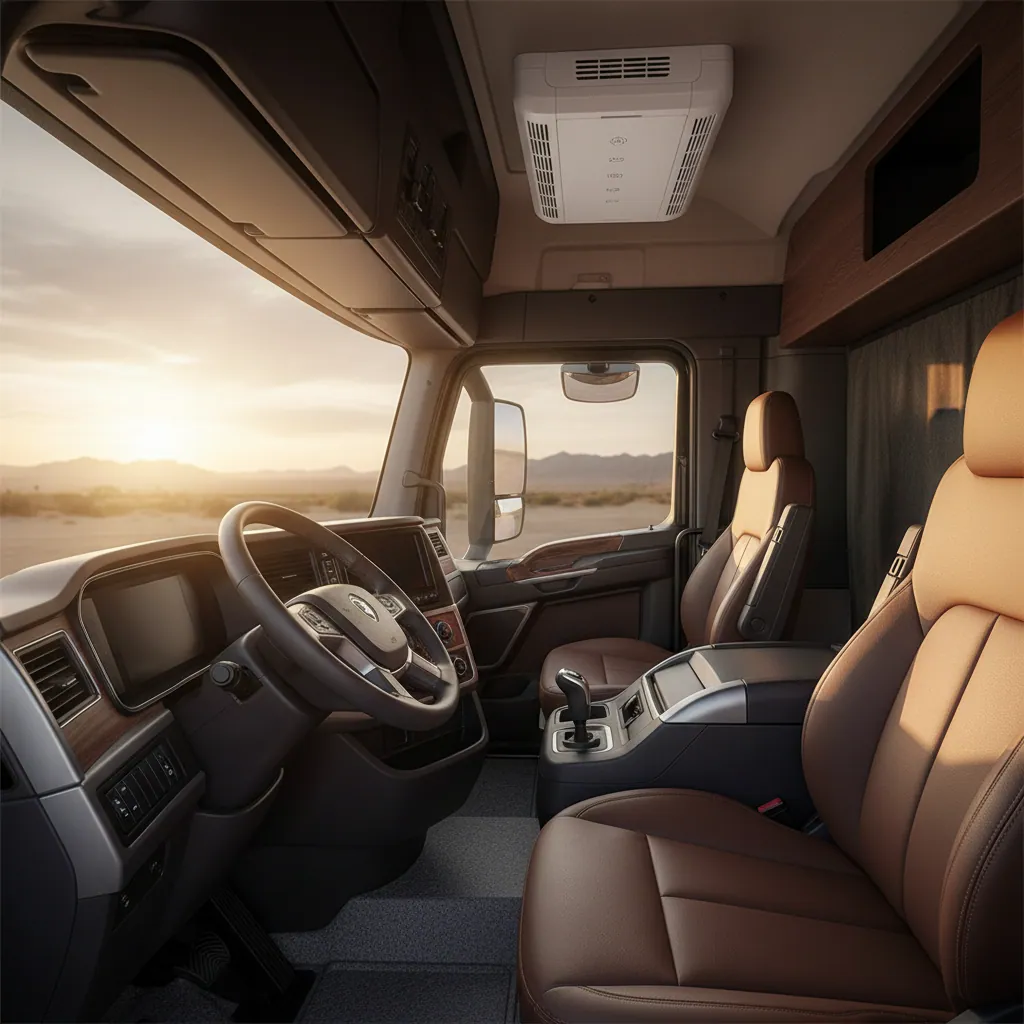
Rwanda, the Land of a Thousand Hills, has emerged as one of Africa's most dynamic development success stories, transforming itself from the devastation of the 1994 genocide into a model of modernization and good governance. The country's public transport system is central to this transformation, connecting communities across the mountainous terrain and facilitating economic activity throughout the nation. Kigali, Rwanda's capital, has been recognized as one of Africa's cleanest and most organized cities, with a public transport network that serves as a model for the continent. As Rwanda continues to develop its infrastructure and expand access to reliable transportation, rooftop parking air conditioning systems have become an increasingly important technology for enhancing passenger comfort and driver welfare in the country's bus fleet.
The unique topography of Rwanda creates distinct challenges for public transport operations. The country's nickname reflects its mountainous terrain, with elevations ranging from 950 meters to over 4,500 meters above sea level. While the high altitude moderates temperatures compared to lower-lying neighbors—Kigali's average temperature is a pleasant 20-25°C—the combination of tropical sun and high altitude creates intense UV exposure. During rest periods and when buses are stationary, the greenhouse effect in enclosed vehicles can create uncomfortable conditions for both drivers and passengers. For bus drivers who may spend 10-12 hours daily in their vehicles, and for passengers on longer intercity routes, effective climate control is essential for comfort and health.
Rwanda's public transport system has undergone significant modernization in recent years. The government has implemented regulations requiring buses to meet modern standards, including GPS tracking, passenger counting systems, and improved safety features. The introduction of cashless payment systems and organized bus stops has transformed the passenger experience in Kigali. These improvements reflect Rwanda's broader commitment to leveraging technology for development, often leapfrogging traditional development stages to adopt cutting-edge solutions. Rooftop parking air conditioning fits within this modernization narrative, representing a technology upgrade that improves service quality while addressing practical operational challenges.
The specific application of parking air conditioning in public transport buses differs from long-haul trucking in several important ways. While truck drivers use parking AC primarily for rest during mandatory breaks, bus drivers require cooling during various stationary periods throughout their operating day: waiting at terminus points between routes, stopped at passenger pickup points during hot periods, and during meal breaks when the bus is parked. Running the main engine for cooling during these periods is inefficient and produces unnecessary emissions, particularly important in Rwanda's context as a leader in environmental sustainability. A dedicated rooftop parking air conditioning system allows buses to maintain comfortable interior temperatures without engine operation, improving passenger experience and driver working conditions while reducing fuel consumption and emissions.
The CoolDrivePro VS02 PRO rooftop parking air conditioner has proven well-suited to Rwanda's bus applications. The unit's 9000 BTU cooling capacity can effectively manage the thermal load of bus interiors, bringing temperatures down to comfortable levels even when ambient temperatures rise during the day. The rooftop mounting position is ideal for buses, utilizing otherwise unused roof space and avoiding the need for interior equipment that would reduce passenger capacity. The system's efficient power consumption allows meaningful cooling runtime on the bus's electrical system, with many operators finding that battery upgrades to deep-cycle or lithium iron phosphate (LiFePO4) systems provide adequate capacity for typical operating requirements. The sealed, weatherproof design withstands Rwanda's rainy seasons and the occasional hail that can occur at higher elevations.
Rwanda's commitment to environmental sustainability makes the adoption of parking air conditioning particularly aligned with national priorities. The country has banned single-use plastics, invested heavily in reforestation, and committed to ambitious renewable energy targets. Kigali is recognized as one of Africa's cleanest cities, with regular community clean-up days and strict environmental regulations. In this context, technologies that reduce emissions and fuel consumption align with national values and policies. Parking air conditioning eliminates the need to idle engines for cabin cooling, significantly reducing both fuel consumption and exhaust emissions during stationary periods. For Rwanda's public transport operators, adopting parking AC is not merely an operational decision but a demonstration of environmental responsibility that resonates with government priorities and public expectations.
The installation of rooftop parking air conditioning on buses requires specialized expertise that accounts for the specific requirements of public transport vehicles. The mounting system must be engineered to withstand the dynamic loads experienced during bus operation, including cornering forces, braking forces, and the vibration characteristic of bus travel on Rwandan roads. Professional structural analysis is necessary to ensure that roof modifications do not compromise vehicle integrity or safety. Electrical system integration must safely connect the parking AC to the bus's power system while protecting other electrical functions. Working with experienced installers who understand both the technology and bus-specific requirements is essential for successful implementation.
Driver welfare represents a significant consideration in Rwanda's public transport modernization. Bus driving is a demanding profession, requiring intense concentration in challenging traffic conditions, often for extended shifts. The Kigali city bus network serves over 500,000 passengers daily in 2026, with drivers completing multiple circuits of their routes during each shift. Providing comfortable working conditions is essential for maintaining driver alertness and job satisfaction, directly impacting safety and service quality. Drivers who operate buses equipped with parking air conditioning report significantly improved working conditions, reduced fatigue, and greater job satisfaction. For transport operators, investing in driver comfort is an investment in safety and service quality.
Passenger experience benefits from parking air conditioning implementation in several ways. Buses that can maintain comfortable temperatures while stationary provide better service during the loading and unloading periods that are inherent in public transport operations. During hot periods, passengers appreciate stepping into a cool bus rather than an oven-like interior. The elimination of engine idling for cooling reduces noise and vibration, creating a more pleasant environment for passengers during stops. These improvements in passenger experience drive ridership and support the fare premiums that help justify investments in modern equipment. In Rwanda's context of public transport modernization, parking air conditioning contributes to the service quality that attracts passengers away from informal alternatives.
Maintenance protocols for rooftop parking air conditioning on buses must account for the intensive utilization characteristic of public transport operations. Rwandan buses typically operate 12-16 hours daily, six or seven days per week, placing significant demands on all vehicle systems. Preventive maintenance programs that include regular filter cleaning, refrigerant level checks, and electrical system inspections are essential for maintaining reliability. Given the impact of bus downtime on service delivery, many operators maintain spare units or key components to minimize service disruptions when maintenance is required. Training depot maintenance staff in parking AC servicing ensures that routine maintenance can be performed efficiently without requiring external technical support.
The economic analysis of rooftop parking air conditioning investment for Rwandan bus operators reveals positive returns through multiple channels. Fuel savings from eliminated idling during stationary periods accumulate significantly given the intensive utilization of public transport vehicles. Extended engine life from reduced operating hours lowers capital replacement costs. Improved driver retention reduces recruitment and training expenses. Enhanced passenger experience supports ridership growth and potentially higher fares. Reduced emissions align with potential future regulations and support the operator's reputation for environmental responsibility. When these factors are considered together, parking air conditioning represents a sound investment for modern public transport operations.
Looking forward, the adoption of rooftop parking air conditioning in Rwanda's public transport sector is expected to expand as the industry continues to modernize. The technology aligns with national priorities for environmental sustainability, supports the service quality improvements that define Rwanda's development approach, and delivers tangible operational benefits for transport operators. As Rwanda continues to position itself as a leader in African development, modern, comfortable public transport will play an important role in the country's image and the daily lives of its citizens. Rooftop parking air conditioning is part of this modernization story, improving conditions for drivers and passengers while supporting national environmental goals.
Ready to modernize your bus fleet with rooftop parking AC? Contact CoolDrivePro for public transport solutions and wholesale pricing. Email: info@vethy.com | WhatsApp: +86 18561534326
Why Parking Air Conditioners Are Essential for Rwanda Transport
The transportation sector in Rwanda faces unique challenges that make parking air conditioners not just a luxury but a necessity. Extreme temperatures regularly exceed 40°C (104°F) during peak seasons, creating dangerous conditions for drivers who must rest in their vehicles between shifts. Unlike idle-running engine AC systems, parking air conditioners operate independently of the engine, reducing fuel consumption by 0.8 to 1.5 liters per hour. For fleet operators in Rwanda, this translates to significant annual savings across their entire fleet. Furthermore, anti-idling regulations are becoming more common in African urban centers, making standalone parking AC systems increasingly important for regulatory compliance.
The health implications cannot be overstated. Heat stress among commercial vehicle drivers in Rwanda contributes to fatigue-related accidents, reduced productivity, and long-term health issues including cardiovascular strain and