No-Idle Air Conditioning: How Parking ACs Help Truck Drivers Comply with Anti-Idling Laws
Discover how no-idle air conditioning systems help truck drivers comply with anti-idling laws, save fuel, and enhance comfort. Learn about CoolDrivePro's innovative….…
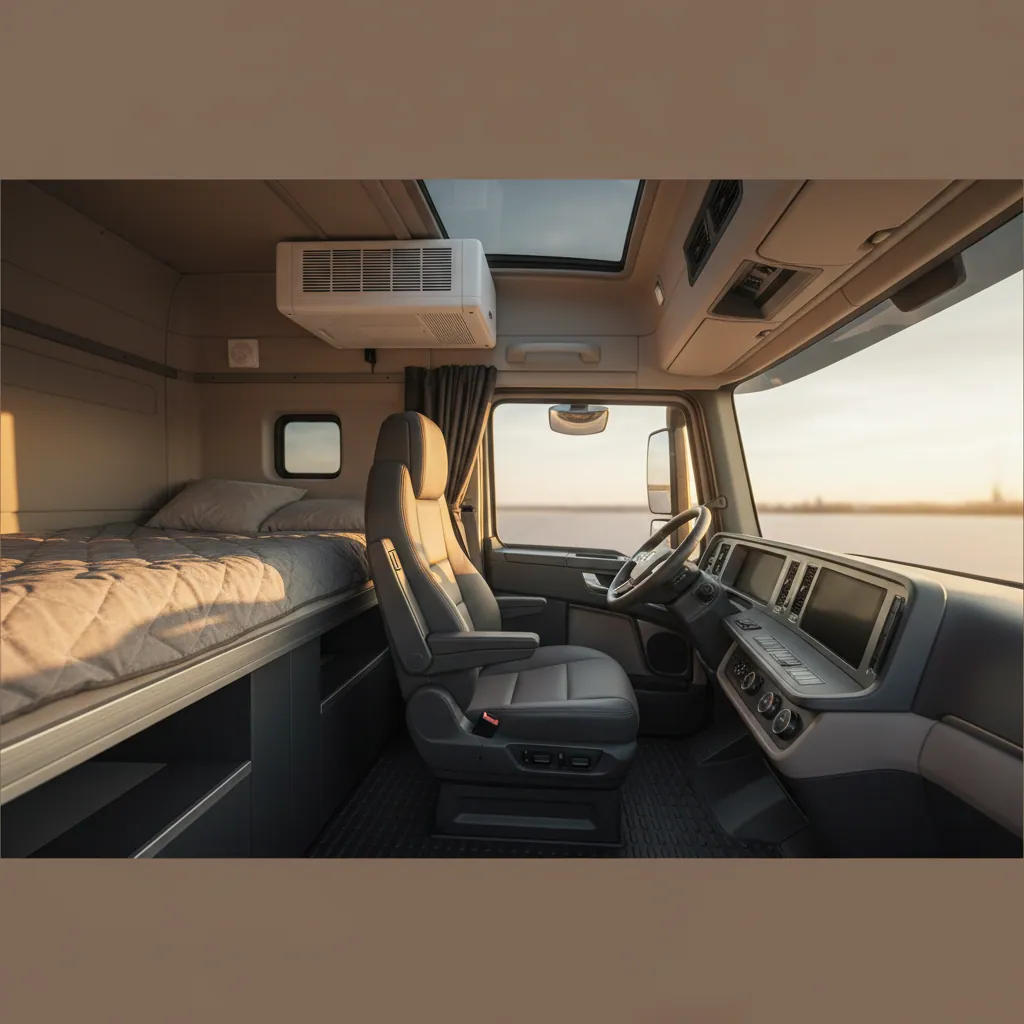
The open road calls to truck drivers, a life of independence and vital service. Yet, this demanding profession comes with its own set of challenges, not least of which is maintaining comfort and compliance during mandatory rest periods. For decades, idling a truck's engine to power the cabin's air conditioning was standard practice, a necessary evil to combat extreme temperatures. However, with growing environmental concerns and the proliferation of anti-idling laws, this practice is no longer sustainable or legal in many regions. This is where no-idle air conditioning systems emerge as a game-changer, offering a powerful solution that keeps drivers cool, comfortable, and compliant without burning fuel or violating regulations. These innovative parking AC units are transforming the trucking industry, providing a crucial alternative that benefits both the environment and the bottom line for truck drivers and fleet operators alike. Understanding the nuances of these laws and the technology designed to address them is paramount for anyone in the commercial trucking sector.
The Rise of Anti-Idling Laws and Their Impact on Trucking
Over the past two decades, a significant shift has occurred in environmental regulations, particularly concerning vehicle emissions. A major component of this shift has been the widespread adoption of anti-idling laws across various states and municipalities in the United States, as well as in other countries. These laws are primarily designed to reduce air pollution, conserve fuel, and mitigate noise pollution caused by commercial vehicles, especially heavy-duty trucks, idling their engines for extended periods. The rationale behind these regulations is compelling: an idling truck engine can consume approximately 0.8 to 1.0 gallons of fuel per hour, releasing harmful pollutants like nitrogen oxides (NOx), particulate matter (PM), carbon monoxide (CO), and volatile organic compounds (VOCs) into the atmosphere. These emissions contribute to smog, acid rain, and respiratory illnesses, posing significant public health risks, particularly in urban areas and near truck stops.\n\nThe impact of these laws on the trucking industry has been profound. Truck drivers, who often spend hours waiting or resting in their cabs, previously relied on engine idling to power their heating, ventilation, and air conditioning (HVAC) systems, as well as other onboard electronics. With strict idling limits—often as short as 3 to 5 minutes in a 60-minute period—drivers face a dilemma: either endure uncomfortable temperatures or risk hefty fines. Fines for violating anti-idling laws can range from a few hundred dollars to over $10,000 in some jurisdictions, creating a substantial financial burden for both individual drivers and trucking companies. For instance, California has some of the strictest regulations, with fines that can quickly escalate. This regulatory landscape has made traditional comfort solutions impractical and economically unfeasible, driving the urgent need for alternative, compliant cooling and heating solutions. The pressure to comply, coupled with the desire for driver comfort and retention, has accelerated the demand for no-idle air conditioning systems, which offer a legal and efficient way to maintain cabin climate without running the main engine.
Understanding No-Idle Air Conditioning Systems
No-idle air conditioning systems, often referred to as parking ACs or auxiliary power units (APUs), are designed to provide climate control in a vehicle's cabin without requiring the main engine to run. These systems are a critical innovation for truck drivers, RV owners, and van lifers who need to maintain comfortable temperatures during rest periods, especially in areas with stringent anti-idling regulations. Unlike traditional engine-driven AC units, which draw power directly from the running engine, no-idle systems operate independently, typically powered by batteries or a small, dedicated generator. This independence is what allows them to circumvent idling laws, offering a legal and environmentally friendly alternative.\n\nThere are primarily two types of no-idle AC systems: battery-powered electric systems and diesel-powered APUs. Battery-powered electric systems are increasingly popular due to their simplicity, quiet operation, and zero emissions during use. These systems consist of a compressor, evaporator, condenser, and a robust battery bank, often deep-cycle AGM or lithium-ion batteries, which are charged while the vehicle is in motion. When the engine is off, the batteries supply power to the AC unit, providing cooling for several hours, typically 8-12 hours, depending on battery capacity and ambient conditions. For example, a system with a 400Ah lithium battery bank can often provide cooling for a full overnight rest period. Diesel-powered APUs, on the other hand, are essentially small, self-contained diesel engines that power an alternator, which in turn runs the AC compressor and can also charge the vehicle's main batteries. While they do consume fuel, their consumption rate is significantly lower than a truck's main engine, often around 0.2-0.3 gallons per hour, making them a more fuel-efficient option than idling. Both types offer substantial benefits over traditional idling, providing a reliable and compliant way to stay cool.
Benefits of No-Idle AC for Truck Drivers and Fleet Owners
The adoption of no-idle air conditioning systems offers a multitude of benefits that extend far beyond mere compliance with anti-idling laws. For individual truck drivers, the most immediate and tangible advantage is enhanced comfort and improved quality of rest. A cool, quiet cabin environment is crucial for restorative sleep, which directly impacts a driver's alertness, safety, and overall well-being on the road. Studies have shown that adequate rest significantly reduces the risk of accidents caused by fatigue. Furthermore, the elimination of engine noise and vibrations associated with idling creates a more peaceful sleeping environment, contributing to better physical and mental health for drivers who spend extended periods away from home. This improved comfort can also lead to higher job satisfaction and better driver retention rates, a critical factor in an industry often plagued by driver shortages.\n\nFrom an economic perspective, the financial savings are substantial for both owner-operators and large fleets. By eliminating engine idling, drivers can save a significant amount on fuel costs. As mentioned, an idling truck consumes approximately 0.8 to 1.0 gallons of diesel per hour. Over a year, if a truck idles for an average of 8 hours per day for 250 days, this translates to 1,600 to 2,000 gallons of fuel saved annually per truck. At an average diesel price of $4.00 per gallon, this represents annual savings of $6,400 to $8,000 per truck. Beyond fuel, reducing engine run-time also significantly decreases wear and tear on the main engine components, leading to lower maintenance costs and extended engine life. This includes fewer oil changes, reduced strain on the cooling system, and less frequent replacement of parts like alternators and starters. The investment in a no-idle air conditioning system, therefore, often pays for itself within a relatively short period, typically 12-24 months, through these combined savings. Additionally, avoiding costly anti-idling fines further protects the financial health of trucking operations, ensuring compliance without compromise.
Choosing the Right No-Idle AC System: Factors to Consider
Selecting the optimal no-idle air conditioning system requires careful consideration of several factors to ensure it meets specific needs and provides maximum efficiency and comfort. The first crucial decision involves choosing between a battery-powered electric system and a diesel-powered Auxiliary Power Unit (APU). Electric systems are ideal for those prioritizing quiet operation, zero emissions during use, and lower maintenance. They are particularly well-suited for drivers who typically have access to shore power for recharging or whose routes allow sufficient drive time to replenish batteries. Key specifications to look for in electric systems include battery capacity (measured in Amp-hours, e.g., 300Ah to 600Ah for overnight cooling), compressor type (rotary or scroll for efficiency), and cooling capacity (BTUs). For instance, a system delivering 8,000-12,000 BTUs is generally sufficient for a standard truck sleeper cab. Diesel APUs, while consuming a small amount of fuel, offer continuous power for extended periods, making them suitable for drivers who frequently spend multiple days without engine operation or access to external charging. When evaluating APUs, consider fuel efficiency, noise levels, and the availability of service and parts.\n\nAnother vital factor is the installation type and compatibility with your vehicle. Parking AC units come in various configurations, including rooftop-mounted, back-of-cab mounted, and split systems. Rooftop units are popular for their integrated design and efficient air distribution but require sufficient roof space and proper sealing to prevent leaks. Back-of-cab units are often preferred when roof space is limited or for aesthetic reasons, though they may require more complex ducting. Split systems, like the CoolDrivePro VX3000SP, offer flexibility by separating the condenser and evaporator units, allowing for optimal placement and often quieter indoor operation. It is essential to verify the system's voltage (12V or 24V) and ensure it matches your vehicle's electrical system. Additionally, consider the system's power draw (amps) and the capacity of your alternator to keep batteries charged. A high-output alternator (e.g., 200A or more) is beneficial for electric systems. Finally, evaluate the warranty, customer support, and availability of spare parts. A reputable brand like CoolDrivePro offers comprehensive support and reliable products, ensuring peace of mind and long-term performance. Investing in a high-quality system from a trusted manufacturer can prevent costly breakdowns and ensure consistent comfort on the road.

CoolDrivePro Solutions: Innovation in No-Idle Air Conditioning
At the forefront of no-idle air conditioning technology, CoolDrivePro is dedicated to providing innovative and reliable solutions that empower truck drivers, RV owners, and van lifers to stay cool, comfortable, and compliant with anti-idling laws. Understanding the diverse needs of the commercial vehicle market, CoolDrivePro has developed a range of high-performance parking AC units designed for durability, efficiency, and ease of use. Our commitment to quality and driver satisfaction is reflected in every product, ensuring that you can rest easy knowing your climate control needs are met without the worry of fines or excessive fuel consumption. CoolDrivePro systems are engineered to withstand the rigors of the road, offering robust construction and advanced features that set them apart in the industry.\n\nCoolDrivePro offers a variety of solutions tailored to different vehicle types and operational requirements. For those seeking a powerful and integrated rooftop solution, the CoolDrivePro VS02 PRO (top-mounted) stands out. This unit is designed for seamless integration into most truck sleeper cabs, delivering exceptional cooling capacity and efficiency. It features a high-efficiency compressor, intelligent power management, and a user-friendly interface, ensuring optimal performance and extended run times on battery power. For vehicles where a rooftop unit might not be ideal, or for those preferring a more discreet and flexible setup, the CoolDrivePro VX3000SP (mini split) offers an innovative alternative. This split system separates the condenser and evaporator, allowing for versatile installation options and often quieter operation within the cabin. Both the VS02 PRO and VX3000SP are built with energy conservation in mind, utilizing advanced refrigeration technology to maximize cooling while minimizing power draw, thereby extending battery life and ensuring a comfortable environment for longer periods. With CoolDrivePro, drivers gain not just an AC unit, but a reliable partner in navigating the complexities of modern trucking regulations and ensuring personal comfort on every journey.
Installation and Maintenance of Parking AC Units
Proper installation is paramount to the efficient and long-lasting performance of any no-idle air conditioning system. While some mechanically inclined individuals might consider a DIY approach, professional installation is highly recommended, especially for complex systems like split units or those requiring significant electrical modifications. A certified technician can ensure that the unit is correctly mounted, refrigerant lines are properly connected and sealed, and the electrical system is safely integrated with the vehicle's power supply. This includes verifying adequate wire gauges, fuse protection, and proper battery bank connections to prevent electrical issues or fire hazards. Incorrect installation can lead to refrigerant leaks, poor cooling performance, excessive power consumption, and premature system failure. For rooftop units, ensuring a watertight seal is critical to prevent water ingress into the cabin, which can cause significant damage over time. Investing in professional installation safeguards your investment and ensures the system operates at its peak efficiency.\n\nBeyond installation, regular maintenance is key to maximizing the lifespan and performance of your parking AC unit. Just like a traditional vehicle AC, no-idle air conditioning systems require periodic checks and servicing. This typically includes cleaning or replacing air filters every 3-6 months, depending on usage and environmental conditions, to ensure optimal airflow and prevent dust buildup. The condenser coils, usually located outside the cabin, should be kept free of dirt, debris, and insects, which can impede heat exchange and reduce cooling efficiency. A gentle rinse with water or a soft brush can often suffice. It's also advisable to check refrigerant levels annually; a low refrigerant charge can indicate a leak and will significantly reduce cooling capacity. Battery terminals should be inspected for corrosion and cleaned as necessary, and battery fluid levels (for lead-acid batteries) should be topped up. For diesel APUs, routine engine maintenance, such as oil changes and filter replacements, is essential. Following the manufacturer's maintenance schedule, such as those provided by CoolDrivePro, will help prevent unexpected breakdowns and ensure your system provides reliable cooling for years to come, keeping you compliant and comfortable on the road.
Frequently Asked Questions (FAQ) About No-Idle AC
Here are some common questions and detailed answers regarding no-idle air conditioning systems and anti-idling laws, designed to provide clarity for truck drivers, RV owners, and van lifers.\n\nQ1: What exactly is an anti-idling law, and where are they most common?\n\nA1: Anti-idling laws are regulations enacted by federal, state, or local governments that restrict the amount of time a vehicle's engine can be left running while stationary. These laws are primarily aimed at reducing air pollution, conserving fuel, and mitigating noise. They are most common in densely populated areas, major transportation corridors, and states with strong environmental protection policies. For commercial trucks, many states, including California, New York, New Jersey, and Texas, have strict limits, often ranging from 3 to 5 minutes of idling per hour. Some cities and counties may have even stricter ordinances. Violations can result in significant fines, making compliance a serious concern for drivers and fleet operators. The enforcement of these laws is becoming increasingly rigorous, with some jurisdictions utilizing remote sensing technology to detect idling vehicles.\n\nQ2: How long can a battery-powered no-idle AC system typically run on a single charge?\n\nA2: The run time of a battery-powered no-idle AC system depends on several factors, including the battery bank's capacity, the ambient temperature, the desired cabin temperature, and the efficiency of the AC unit itself. Generally, a well-designed system with a robust battery bank (e.g., 300-600 Amp-hours of lithium or AGM batteries) can provide cooling for 8 to 12 hours, which is sufficient for an overnight rest period. For example, the CoolDrivePro VS02 PRO, when paired with an adequate battery setup, is engineered to deliver reliable cooling throughout a standard sleeper shift. In extremely hot conditions or if the system is set to a very low temperature, the run time might be shorter. Conversely, in milder weather, it could extend beyond 12 hours. It's crucial to ensure the batteries are fully charged before parking, typically achieved while the vehicle is driven, or through shore power connections.\n\nQ3: Are no-idle AC systems difficult to install, and can I do it myself?\n\nA3: The complexity of installing a no-idle AC system varies significantly depending on the type of unit and your mechanical and electrical expertise. Rooftop-mounted units, like some CoolDrivePro models, generally involve cutting an opening in the roof, securing the unit, and connecting it to the vehicle's electrical system. Split systems, such as the CoolDrivePro VX3000SP, require running refrigerant lines and electrical cables between the indoor and outdoor units, which can be more intricate. While some experienced individuals might attempt a DIY installation, professional installation is highly recommended. This ensures proper sealing to prevent leaks, correct electrical wiring to avoid hazards, and optimal performance of the refrigeration cycle. Incorrect installation can void warranties, lead to inefficient operation, or even cause damage to the vehicle. A certified technician can guarantee a safe and effective setup, maximizing the lifespan and efficiency of your investment.\n\nQ4: What are the main differences between electric no-idle AC and diesel APUs?\n\nA4: The primary distinction lies in their power source and operational characteristics. Electric no-idle AC systems are powered by a dedicated battery bank, which is charged by the vehicle's alternator while driving or by shore power when parked. They are known for their quiet operation, zero emissions during use, and lower maintenance requirements. They are ideal for drivers who need overnight cooling and have sufficient time to recharge batteries. Diesel APUs, on the other hand, are small, self-contained diesel engines that power an alternator, which in turn runs the AC compressor and can also charge the vehicle's main batteries. While they consume a small amount of fuel (typically 0.2-0.3 gallons per hour), they offer continuous power for extended periods, making them suitable for situations where prolonged cooling or heating is needed without access to external charging. APUs are generally more expensive to purchase and maintain than electric systems but offer greater energy independence. The choice between them often comes down to budget, operational needs, and environmental priorities.\n\nQ5: How much can a truck driver realistically save by using a no-idle AC system?\n\nA5: The financial savings from using a no-idle AC system are substantial and come from multiple avenues. The most significant saving is in fuel costs. If a truck idles for an average of 8 hours per day, 250 days a year, it consumes approximately 1,600 to 2,000 gallons of diesel annually. At $4.00 per gallon, this equates to $6,400 to $8,000 in fuel savings per truck per year. Beyond fuel, reducing engine idling drastically cuts down on engine wear and tear, extending the life of components like the engine itself, starter, alternator, and exhaust system. This leads to fewer maintenance events and lower repair costs, potentially saving thousands more annually. Furthermore, avoiding anti-idling fines, which can range from hundreds to thousands of dollars per violation, adds another layer of financial protection. When considering the initial investment, many no-idle AC systems pay for themselves within 12 to 24 months through these combined savings, offering a clear return on investment for both owner-operators and large fleets.
Conclusion: Driving Towards a Sustainable and Compliant Future
The landscape of commercial trucking is continually evolving, driven by technological advancements, environmental imperatives, and regulatory pressures. In this dynamic environment, no-idle air conditioning systems have emerged not just as a convenience, but as an essential tool for compliance, comfort, and economic sustainability. By providing an effective means to maintain cabin climate without engine idling, these systems directly address the challenges posed by stringent anti-idling laws, allowing truck drivers to avoid costly fines while enjoying much-needed rest in a comfortable environment. The benefits extend beyond individual drivers to fleet owners, who realize significant savings in fuel costs and engine maintenance, contributing to a healthier bottom line and a more attractive work environment for their personnel. The shift towards no-idle solutions represents a commitment to responsible operation, reducing carbon footprints and noise pollution, and fostering a more sustainable future for the transportation industry.\n\nEmbracing no-idle technology is a strategic decision that pays dividends in multiple ways—from regulatory compliance and environmental stewardship to enhanced driver well-being and substantial operational savings. As the industry continues its journey towards greater efficiency and sustainability, solutions like those offered by CoolDrivePro are indispensable. Ready to upgrade your rig and experience the ultimate in no-idle comfort and compliance? Explore the advanced features of the CoolDrivePro VS02 PRO (top-mounted) for integrated, powerful cooling, or consider the versatile and quiet CoolDrivePro VX3000SP (mini split) for flexible installation and superior climate control. Make the smart choice for your comfort, your wallet, and the planet. The numbers and real-world data in our Parking Air Conditioner Buying Guide 2025: Everything You Need to Know Before You Buy piece add useful context to the decisions outlined here. The practical considerations around How Many BTU Do You Need for a Parking Air Conditioner? Complete Sizing Guide are worth reading alongside this — there's significant overlap in what matters for real-world performance. For deeper detail, see our parking AC vs APU comparison.