LiFePO4 Batteries for Parking Air Conditioners: The Ultimate Power Solution
Discover why LiFePO4 batteries are the ultimate power solution for parking air conditioners. Learn about their benefits, installation, efficiency, safety, and…
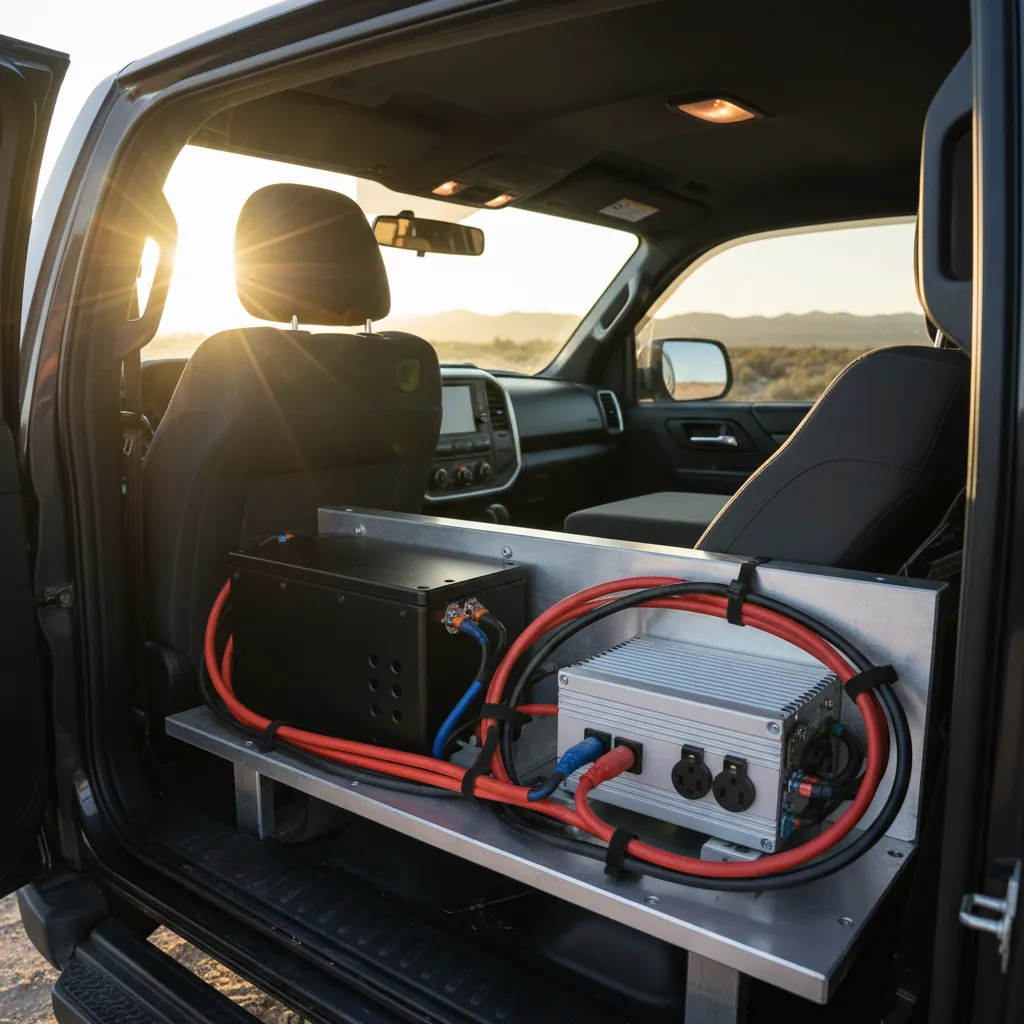
In the world of trucking, RVing, and van life, comfort on the road is paramount. One of the biggest challenges for those spending extended periods in their vehicles is maintaining a comfortable cabin temperature, especially during rest stops or overnight stays. Traditional parking air conditioners have long been a solution, but their power source often presents limitations. This is where the LiFePO4 battery parking AC system emerges as a game-changer. Lithium Iron Phosphate (LiFePO4) batteries are rapidly gaining popularity due to their superior performance, longevity, and safety compared to conventional lead-acid batteries. For anyone relying on a parking air conditioner, understanding the benefits of integrating LiFePO4 technology is crucial. This article will delve into why LiFePO4 batteries are becoming the ultimate power solution for parking air conditioners, offering unparalleled efficiency, extended runtimes, and a more sustainable energy option for life on the road. We'll explore their technical advantages, practical applications, and how they can transform your mobile living experience.
Understanding LiFePO4 Batteries: A Technical Deep Dive
Lithium Iron Phosphate (LiFePO4 or LFP) batteries represent a significant leap forward in battery technology, especially when compared to their lead-acid predecessors. At their core, these batteries utilize lithium iron phosphate as the cathode material, which is inherently more stable and safer than other lithium-ion chemistries. This chemical composition contributes to their robust performance and extended cycle life. Unlike traditional batteries that might offer a few hundred charge cycles, a high-quality LiFePO4 battery can deliver 3,000 to 5,000 cycles at 80% depth of discharge (DoD), and sometimes even more, before its capacity significantly degrades. This translates to years, if not a decade or more, of reliable power for your parking air conditioner, drastically reducing the need for frequent replacements and offering substantial long-term savings.\n\nBeyond their impressive cycle life, LiFePO4 batteries boast a higher energy density, meaning they can store more power in a smaller, lighter package. For truck drivers, RV owners, and van lifers, this is a critical advantage. A typical 100Ah LiFePO4 battery might weigh around 25-30 pounds, while a comparable lead-acid battery could easily tip the scales at 60-70 pounds. This weight reduction not only frees up valuable space but also contributes to better fuel efficiency for your vehicle. Furthermore, LiFePO4 batteries maintain a consistent voltage output throughout their discharge cycle, ensuring that your parking AC unit receives stable power, leading to more efficient cooling and preventing performance drops that can occur with fluctuating voltage from lead-acid batteries. Their internal resistance is also significantly lower, allowing for faster charging and more efficient power delivery, which is essential for demanding applications like running an air conditioner.\n\nAnother key technical advantage lies in their thermal and chemical stability. LiFePO4 chemistry is non-toxic and non-hazardous, making these batteries safer to handle and operate. They are less prone to overheating and thermal runaway, a critical safety concern with some other lithium-ion types. This inherent stability makes them a preferred choice for applications where safety and reliability are paramount, such as powering a LiFePO4 battery parking AC system within an enclosed vehicle. They can also operate effectively across a wider temperature range, from extreme heat to freezing conditions, although charging in sub-zero temperatures requires specific precautions or heated battery models. This resilience ensures consistent performance regardless of the environment, providing peace of mind for users traveling through diverse climates.
Unmatched Benefits for Truckers, RV Owners, and Van Lifers
For professional truck drivers, the ability to maintain a comfortable cabin temperature during mandatory rest periods is not just about comfort; it's about safety and compliance. Idling a truck's engine to run the AC consumes significant fuel, contributes to emissions, and can lead to costly fines in anti-idling zones. A LiFePO4 battery parking AC system provides a silent, emission-free, and cost-effective alternative. Drivers can enjoy cool air without the noise and vibration of a running engine, leading to better sleep quality and improved alertness on the road. The extended runtime offered by LiFePO4 batteries means they can power their AC units for 8-12 hours or more, easily covering a full night's rest, even in scorching temperatures. This directly translates to substantial savings on fuel costs over time, making the initial investment in LiFePO4 technology a wise financial decision for owner-operators and fleet managers alike.\n\nRV owners and van lifers, who often seek off-grid adventures, find LiFePO4 batteries to be an indispensable component of their mobile power systems. The lightweight nature of these batteries is a huge advantage, as every pound matters when it comes to vehicle payload and fuel efficiency. Replacing heavy lead-acid batteries with lighter LiFePO4 units can free up hundreds of pounds, allowing for more gear, water, or simply a more agile vehicle. Furthermore, the high energy density and efficient discharge rates of LiFePO4 batteries enable RVers to run power-hungry appliances like air conditioners, microwaves, and induction cooktops for longer periods without needing to connect to shore power or run a noisy generator. This enhances the freedom and flexibility of boondocking, transforming remote locations into comfortable living spaces. The ability to fast-charge these batteries, often in a few hours from a suitable charging source like solar panels or a DC-DC charger, further empowers off-grid living.\n\nBeyond the practical advantages, the peace of mind that comes with a reliable and safe power source is invaluable. LiFePO4 batteries are designed for deep cycling, meaning they can be discharged significantly without damaging their lifespan, a common issue with lead-acid batteries. This robustness ensures that your parking AC will have consistent power, even after repeated deep discharges. For those who live full-time in their vehicles or embark on long journeys, the reduced maintenance requirements of LiFePO4 batteries are also a major plus. There's no need to check water levels or worry about corrosive fumes, allowing users to focus more on their travels and less on battery upkeep. The overall enhanced performance and durability make LiFePO4 batteries the preferred choice for anyone serious about optimizing their mobile living experience with a reliable parking AC solution.
Installation and Compatibility: Integrating LiFePO4 with Your Parking AC System
Integrating a LiFePO4 battery into an existing or new parking air conditioner setup is a straightforward process, though it requires careful consideration of compatibility and proper installation practices. Most modern parking AC units, whether 12V or 24V, are designed to operate with a stable DC power source, which LiFePO4 batteries excel at providing. The key is to ensure that your charging system—including your vehicle's alternator, solar charge controllers, and shore power chargers—is compatible with LiFePO4 charging profiles. These batteries typically require a higher charging voltage and a specific multi-stage charging algorithm (bulk, absorption, float) to maximize their lifespan and performance. Many newer charge controllers and inverters are already LiFePO4 compatible, but older systems might need an upgrade or a dedicated LiFePO4 charger to prevent damage and ensure efficient charging. Consulting the manuals for both your AC unit and potential battery system is crucial to verify compatibility and identify any necessary auxiliary components.\n\nWhen planning your installation, consider the battery's physical placement. While LiFePO4 batteries are significantly lighter than lead-acid, they still need to be securely mounted in a well-ventilated area, away from extreme heat sources. Their compact size often allows for more flexible installation options, such as under seats, in storage compartments, or within custom battery boxes. Proper wiring is paramount for safety and efficiency. Use appropriately gauged wires to handle the high current draw of a parking AC unit, especially during startup, to prevent voltage drop and overheating. Fuses and circuit breakers should be installed on both the positive and negative lines, sized correctly to protect the battery and the AC unit from overcurrent situations. For a 12V system running a typical 1000-2000W AC unit, you might be looking at current draws of 80-160 amps, necessitating heavy-gauge wiring (e.g., 2/0 or 4/0 AWG).\n\nFurthermore, consider adding a battery management system (BMS) if your chosen LiFePO4 battery doesn't have an integrated one. Most reputable LiFePO4 battery parking AC solutions come with an internal BMS, which is vital for protecting the battery from overcharging, over-discharging, over-current, and extreme temperatures. The BMS balances the cells, ensuring they charge and discharge uniformly, which is critical for the battery's longevity and safety. For those looking to optimize their setup, integrating a battery monitor can provide real-time data on state of charge, current draw, and voltage, allowing for better power management and preventing unexpected power outages. With careful planning and proper installation, a LiFePO4 battery system can seamlessly power your parking AC, providing reliable and efficient cooling for years to come.
Maximizing Efficiency and Runtime with LiFePO4
One of the primary reasons to choose a LiFePO4 battery parking AC system is its unparalleled efficiency and the potential for extended runtimes. The stable voltage output of LiFePO4 batteries ensures that your air conditioner operates at its peak efficiency, unlike lead-acid batteries whose voltage sags under load, leading to reduced AC performance and increased power consumption. This consistent power delivery means your AC unit doesn't have to work harder to compensate for voltage drops, translating into less energy wasted and more effective cooling. To further maximize runtime, consider the capacity of your LiFePO4 battery bank. A common recommendation for overnight cooling (8-10 hours) with a typical 12V parking AC drawing 30-50 amps might be a 200-400Ah LiFePO4 battery bank. For example, a 300Ah LiFePO4 battery at 12V provides 3600Wh of usable energy, which could power a 400W (approximately 33A at 12V) AC unit for around 9 hours, allowing for a full night's sleep.\n\nBeyond battery capacity, several strategies can help optimize the efficiency and runtime of your LiFePO4-powered parking AC. Insulation plays a crucial role; improving the insulation of your truck sleeper, RV, or van can significantly reduce the cooling load on your AC unit, thereby decreasing its power consumption. Reflective window covers, proper sealing of gaps, and even adding insulation to walls and ceilings can make a substantial difference. Furthermore, utilizing smart thermostats or AC units with eco-modes can help manage power usage by cycling the compressor more efficiently or reducing fan speeds when full cooling isn't required. Pre-cooling your vehicle before parking for the night, especially if you have access to shore power or are driving, can also reduce the initial demand on your battery bank. By combining a robust LiFePO4 power source with energy-saving practices, users can achieve remarkably long runtimes, ensuring comfort even in the most challenging conditions.\n\nAnother aspect of maximizing efficiency involves the charging infrastructure. Investing in high-quality solar panels, a DC-DC charger connected to your alternator, or a powerful shore power charger designed for LiFePO4 batteries will ensure rapid and complete recharging. For instance, a 400W solar panel array can generate approximately 20-25 amps per hour in good sunlight, significantly extending your off-grid capabilities. A DC-DC charger can replenish your LiFePO4 batteries while driving, making sure they are topped off when you reach your destination. Efficient charging minimizes the time your vehicle needs to be connected to external power sources or running its engine, further enhancing the convenience and sustainability of your CoolDrivePro parking AC setup. This holistic approach to power management ensures that your LiFePO4 system delivers consistent, reliable performance day in and day out.

Safety and Environmental Advantages of LiFePO4
Beyond performance and longevity, the safety profile of LiFePO4 batteries is a compelling reason for their adoption in parking AC applications. Unlike other lithium-ion chemistries, such as Lithium Cobalt Oxide (LiCoO2) found in many consumer electronics, LiFePO4 is inherently more stable. The phosphate-based cathode material provides a strong chemical bond, which means the battery is less prone to thermal runaway, even if physically damaged or subjected to overcharging. This significantly reduces the risk of fire or explosion, a critical consideration for batteries stored within a vehicle where occupants sleep and spend considerable time. This enhanced safety makes LiFePO4 an ideal choice for the demanding and often confined environments of truck sleepers, RVs, and vans, offering peace of mind to users who prioritize safety above all else. The robust construction and integrated Battery Management Systems (BMS) in quality LiFePO4 batteries further enhance this safety, actively monitoring and protecting against various electrical faults.\n\nFrom an environmental perspective, LiFePO4 batteries also offer significant advantages. They are made from non-toxic materials, specifically iron, phosphate, and lithium, which are more abundant and less harmful than the heavy metals (like lead and cadmium) found in traditional lead-acid batteries. This makes them a more sustainable choice, both in terms of resource extraction and end-of-life disposal. While all batteries require responsible recycling, the environmental impact of LiFePO4 batteries is considerably lower. Their extended lifespan also means fewer batteries are manufactured and disposed of over time, further reducing their ecological footprint. For environmentally conscious truck drivers, RV owners, and van lifers, choosing a LiFePO4 power solution aligns with a commitment to reducing their impact on the planet, without compromising on performance or comfort.\n\nMoreover, the efficiency gains from using LiFePO4 batteries contribute indirectly to environmental benefits. By enabling parking AC units to run without engine idling, they drastically cut down on fuel consumption and harmful emissions, such as carbon dioxide, nitrogen oxides, and particulate matter. This is particularly important in urban areas or sensitive natural environments where air quality is a concern. The ability to integrate seamlessly with renewable energy sources like solar panels further amplifies these benefits, allowing for a truly green and self-sufficient power system. This combination of inherent chemical stability, reduced reliance on hazardous materials, and contributions to lower emissions firmly establishes LiFePO4 as the environmentally responsible and safe choice for powering your CoolDrivePro parking AC system.
Cost-Benefit Analysis: LiFePO4 vs. Lead-Acid for Parking AC
While the initial upfront cost of a LiFePO4 battery system for your parking AC might seem higher than that of traditional lead-acid batteries, a comprehensive cost-benefit analysis reveals significant long-term savings and superior value. A typical 100Ah lead-acid battery might cost around $150-$250, whereas a comparable 100Ah LiFePO4 battery could range from $400-$800. However, this comparison is misleading without considering their respective lifespans and performance. Lead-acid batteries typically offer 300-500 cycles at 50% depth of discharge (DoD), meaning you can only use half their rated capacity to prolong their life. In contrast, LiFePO4 batteries provide 3,000-5,000 cycles or more at 80-100% DoD. This means a single LiFePO4 battery can outlast 5-10 lead-acid batteries, making its effective cost per cycle dramatically lower. Over a 5-10 year period, the total cost of ownership for LiFePO4 becomes significantly less, especially when factoring in replacement costs, labor, and potential downtime.\n\nBeyond the cycle life, the efficiency gains of LiFePO4 batteries contribute to further savings. Their ability to maintain a stable voltage output means your parking AC operates more efficiently, drawing less power to achieve the same cooling effect. This translates directly into reduced fuel consumption if you're charging from an alternator or generator, or less reliance on shore power. For truck drivers, every gallon of fuel saved adds up, potentially saving hundreds or even thousands of dollars annually. RV owners and van lifers benefit from extended off-grid capabilities, reducing the need for expensive campground hookups. The faster charging capabilities of LiFePO4 also mean less time spent charging and more time enjoying your travels, which, while not a direct monetary saving, adds immense value in terms of convenience and experience. Furthermore, the lighter weight of LiFePO4 batteries can lead to marginal fuel efficiency improvements for your vehicle, contributing to overall operational savings.\n\nConsidering the minimal maintenance required for LiFePO4 batteries—no watering, no acid spills, no terminal corrosion—the labor and material costs associated with lead-acid battery upkeep are entirely eliminated. This not only saves money but also valuable time and effort. The enhanced safety profile, reducing risks of fire or explosion, also provides an intangible but invaluable benefit. When you factor in the extended lifespan, superior performance, higher efficiency, reduced maintenance, and improved safety, the initial investment in a LiFePO4 battery parking AC system quickly justifies itself, proving to be the more economical and reliable choice in the long run. It's an investment in comfort, efficiency, and peace of mind for anyone spending significant time on the road.
FAQ: LiFePO4 Batteries for Parking AC
### Q1: Can I replace my existing lead-acid battery with a LiFePO4 battery for my parking AC?\n\nYes, in most cases, you can replace your lead-acid battery with a LiFePO4 battery. However, it's crucial to ensure that your charging system (alternator, solar charger, shore power charger) is compatible with LiFePO4 charging profiles. LiFePO4 batteries require a specific charging voltage and algorithm to optimize their lifespan and performance. You might need to upgrade your charge controller or install a dedicated LiFePO4 charger. Always check the specifications of your current charging equipment and the new LiFePO4 battery to ensure compatibility and prevent damage. Many modern parking AC units are designed to be flexible with power sources, but the charging infrastructure is key.\n\n### Q2: How long can a LiFePO4 battery power a parking AC unit?\n\nThe runtime of a LiFePO4 battery powering a parking AC unit depends on several factors: the battery's capacity (Ah), the AC unit's power consumption (watts or amps), and external conditions like ambient temperature and vehicle insulation. As a general guideline, a 200-400Ah LiFePO4 battery bank can typically power a standard 12V parking AC unit (drawing 30-50 amps) for 8-12 hours or more. For example, a 300Ah LiFePO4 battery provides 3600Wh of usable energy. If your AC draws 400W, it could run for approximately 9 hours. Optimizing vehicle insulation and using the AC efficiently (e.g., eco-mode) can significantly extend these runtimes.\n\n### Q3: Are LiFePO4 batteries safe for use in vehicles?\n\nAbsolutely. LiFePO4 batteries are renowned for their superior safety profile compared to other lithium-ion chemistries. Their chemical composition is inherently more stable, making them less susceptible to thermal runaway, overheating, or fire, even under extreme conditions or physical damage. Most high-quality LiFePO4 batteries designed for vehicle use come with an integrated Battery Management System (BMS) that provides crucial protection against overcharging, over-discharging, over-current, and temperature fluctuations. This makes them a very safe and reliable power source for your LiFePO4 battery parking AC system within enclosed spaces like truck sleepers, RVs, and vans.\n\n### Q4: What maintenance do LiFePO4 batteries require?\n\nOne of the significant advantages of LiFePO4 batteries is their virtually maintenance-free operation. Unlike lead-acid batteries, they do not require watering, cleaning of corrosive terminals, or equalization charges. Their sealed design means there are no fumes or spills to worry about. The integrated BMS handles cell balancing and protection, eliminating the need for manual intervention. To ensure optimal performance and longevity, it's generally recommended to keep the battery charged and avoid prolonged storage in a fully discharged state. Regular monitoring of the battery's state of charge, perhaps through a battery monitor, is good practice but not strictly maintenance. This low-maintenance aspect makes them ideal for busy truck drivers and travelers.
Conclusion: Powering Your Comfort with CoolDrivePro and LiFePO4
In conclusion, the shift to LiFePO4 battery parking AC systems represents a significant upgrade for anyone seeking reliable, efficient, and safe cooling on the road. From their superior cycle life and energy density to their enhanced safety features and environmental benefits, LiFePO4 batteries offer a compelling solution that far surpasses traditional lead-acid options. For truck drivers, RV owners, and van lifers, this technology translates into extended comfort, reduced operating costs, and greater freedom to explore without compromise. The initial investment is quickly recouped through long-term savings on fuel, maintenance, and battery replacements, making it a smart choice for the discerning traveler.\n\nEmbrace the future of mobile cooling with a robust LiFePO4 power solution. For unparalleled performance and peace of mind, consider pairing your LiFePO4 battery bank with CoolDrivePro's innovative parking air conditioners. Whether you need the efficient top-mounted cooling of the CoolDrivePro VS02 PRO or the versatile mini-split design of the CoolDrivePro VX3000SP, our products are engineered to deliver optimal comfort. Visit CoolDrivePro.com today to explore our range and find the perfect LiFePO4 battery parking AC system to keep you cool, comfortable, and powered up on all your adventures. The practical considerations around How to Size Your Battery Bank for a 12V Parking Air Conditioner are worth reading alongside this — there's significant overlap in what matters for real-world performance. If you're weighing your options, our detailed breakdown on Best Solar Panels for Running a Parking Air Conditioner: 2025 Guide covers the key decision points worth reviewing before you buy. For deeper detail, see our battery-powered RV air conditioner guide.