24V Parking Air Conditioners for Algeria's Cross-Sahara Transport
Discover 24V parking air conditioners designed for Algeria's extreme desert conditions in 2026. Perfect for cross-Sahara transport fleets operating between Algiers, Oran,…
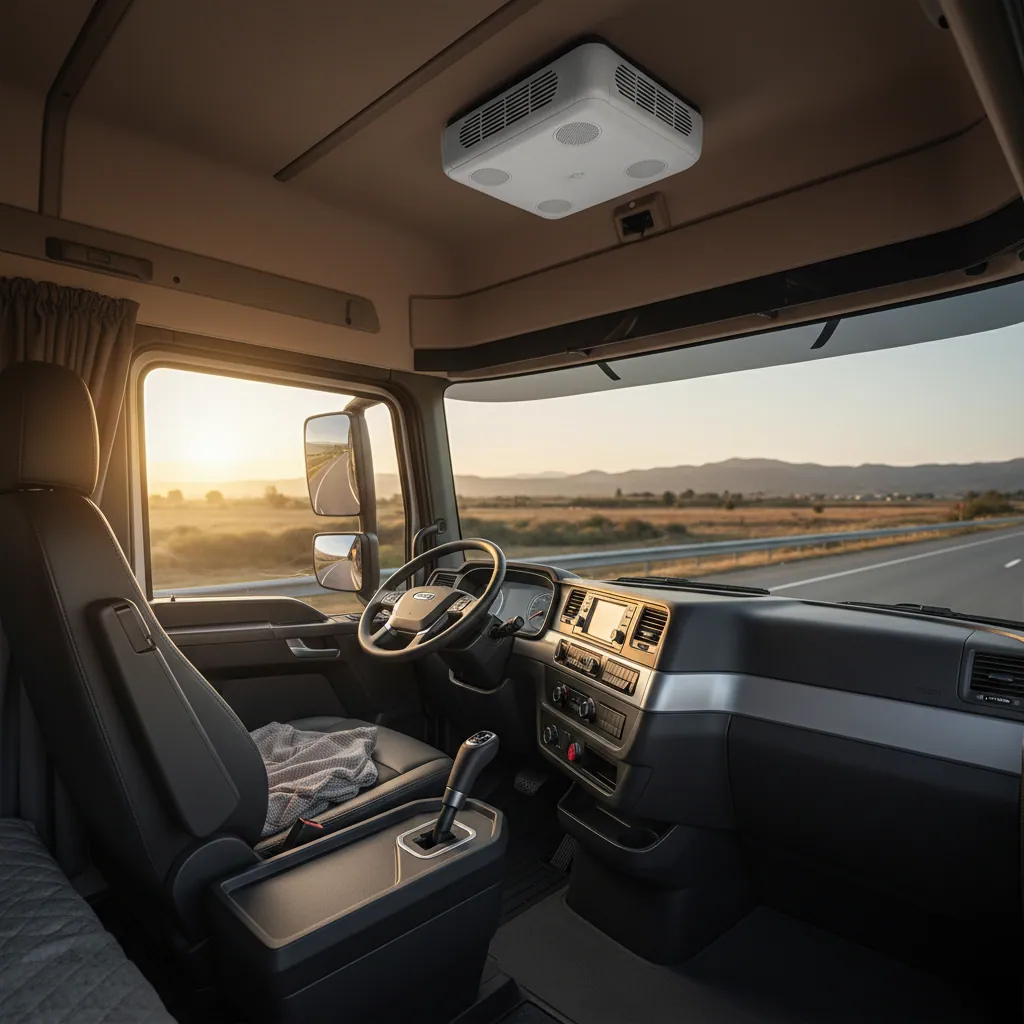
Algeria stands as the gateway between North Africa and the vast Sahara Desert, with a trucking industry that carries goods across some of the most challenging terrain on Earth. From the Mediterranean ports of Algiers and Oran to the southern borders with Niger and Mali, Algerian transport operators navigate the legendary Trans-Sahara Highway and routes that push vehicles and drivers to their absolute limits. Temperatures in the Algerian desert regularly exceed 50°C during summer months, making reliable cooling not a luxury but a survival necessity. For fleet operators managing cross-Sahara logistics, 24V parking air conditioners have become essential equipment for protecting driver health, maintaining operational efficiency, and ensuring cargo reaches its destination on schedule.
The Trans-Sahara Highway, stretching from Algiers through the Hoggar Mountains to the Niger border, represents one of the world's most demanding transport corridors. This 2,000-kilometer route crosses some of the most inhospitable terrain imaginable—searing daytime heat, freezing nighttime temperatures, and dust storms that can reduce visibility to near zero. Trucks on this route often travel for days between significant settlements, with drivers sleeping in their vehicles at remote staging points. In these conditions, the ability to rest in a climate-controlled cabin becomes critical for driver alertness and safety. A 24V parking air conditioner provides this capability without requiring engine idling, preserving precious fuel reserves for the journey ahead.
Algeria's desert climate presents unique engineering challenges that standard parking air conditioning systems may struggle to address. The extreme temperature differential between day and night—sometimes exceeding 30°C—places enormous stress on compressor systems and refrigerant circuits. Quality 24V systems designed for desert operation incorporate reinforced components, high-temperature refrigerants, and enhanced heat exchangers that maintain cooling performance even when ambient temperatures approach 55°C. The CoolDrivePro VS02 PRO, with its dual-rotary compressor technology, delivers consistent cooling output across this entire temperature range, ensuring driver comfort regardless of external conditions.
Dust and sand infiltration represent perhaps the greatest threat to air conditioning equipment operating in Algerian conditions. The fine Saharan sand can penetrate poorly sealed equipment, abrade moving parts, and clog heat exchangers, dramatically reducing cooling efficiency. 24V parking air conditioners for the Algerian market must incorporate robust filtration systems, sealed electrical enclosures, and protective coatings on all metal components. The intake filters must be designed for easy access and quick replacement, as they will require frequent servicing in desert conditions. Regular maintenance—including filter cleaning and condenser inspection—becomes essential for sustained performance. We recommend Algerian operators establish maintenance schedules that include weekly filter checks during the summer season and monthly inspections year-round.
The economic case for 24V parking air conditioning in Algerian cross-Sahara transport is particularly compelling given the extreme fuel costs associated with desert operation. Diesel consumption increases dramatically in high-temperature conditions, and every liter saved translates directly to operational savings and extended range. A heavy truck idling to power conventional air conditioning in 50°C heat can consume 4-5 liters per hour—an unsustainable rate for long desert journeys. A 24V parking air conditioner operating from the vehicle's battery system eliminates this consumption entirely, typically saving 20-30 liters per rest period. For operators running regular cross-Sahara routes, this translates to annual savings exceeding $5,000 per vehicle in fuel costs alone.
Battery management in desert conditions requires careful attention, as high temperatures accelerate battery degradation and reduce effective capacity. Algerian operators should ensure their vehicles are equipped with high-quality AGM or lithium battery systems sized appropriately for the electrical load of parking air conditioning. The extreme heat of the Algerian desert can reduce battery life by 30-50% compared to temperate climates, making battery selection and maintenance particularly important. Solar panel integration offers particular advantages for desert operations—Algeria receives abundant sunshine year-round, and roof-mounted solar arrays can significantly extend parking AC runtime without draining vehicle batteries. We recommend 300-400 watt solar installations for cross-Sahara vehicles, providing sufficient charging power to maintain battery levels during extended stops.
The logistical challenges of maintaining equipment in Algeria's vast interior regions make reliability and serviceability paramount considerations when selecting parking air conditioning systems. Remote areas of the Sahara may be hundreds of kilometers from qualified service facilities, meaning that components must be durable enough to operate without attention for extended periods, and simple enough that basic maintenance can be performed by drivers or local mechanics when necessary. Our 24V parking air conditioners are designed with field serviceability in mind—filters are easily accessible, refrigerant circuits are sealed and self-contained, and electrical connections use standard automotive terminals that can be serviced with common tools. This design philosophy minimizes downtime and extends operational life in remote conditions.
Algeria's transport sector is evolving as the country invests in infrastructure and seeks to position itself as a regional logistics hub. The government's development plans include improvements to the Trans-Sahara Highway and expansion of port capacity at Algiers and Oran. These investments are attracting international logistics operators and raising standards for equipment and service quality. Algerian fleet operators who invest in modern amenities like parking air conditioning position themselves to compete for higher-value contracts and international partnerships. The visibility of this equipment also serves as marketing—trucks equipped with parking AC signal professionalism and driver care that resonates with international clients and mining companies operating in the region.
Driver recruitment and retention present ongoing challenges for Algerian transport operators, particularly for cross-Sahara routes that require extended time away from home and exposure to harsh conditions. Experienced drivers command premium wages, and operators who cannot provide comfortable working conditions struggle to attract and retain qualified personnel. The harsh reality of cross-Sahara transport means that drivers spend days living in their vehicles, making cabin conditions a critical factor in job satisfaction. Parking air conditioning directly addresses one of the most significant discomforts of desert driving, making cross-Sahara positions more attractive and reducing turnover. For Algerian fleet managers, the investment in 24V parking AC pays dividends in reduced recruitment costs, lower training expenses, and improved operational consistency.
Import and regulatory considerations for Algerian operators include compliance with local automotive equipment standards and navigation of import procedures. As a manufacturer with extensive export experience, we provide all necessary documentation for Algerian customs clearance, including commercial invoices, packing lists, and certificates of origin. Our products comply with international automotive electrical standards and can be registered with Algerian transport authorities as permitted vehicle modifications. We work with reliable freight forwarders experienced in Algerian import procedures and can arrange shipping to Algiers, Oran, or other Algerian ports. Our team can also provide guidance on local regulations and standards to ensure smooth import and compliance processes.
The installation process for 24V parking air conditioners in Algerian trucks requires attention to detail to ensure optimal performance in desert conditions. The condenser unit should be mounted to maximize airflow while minimizing dust exposure—roof mounting is often preferred for this reason. The evaporator unit must be positioned to provide even air distribution throughout the cabin, with particular attention to the sleeping berth area where drivers rest. Electrical connections must be secure and protected from vibration, with appropriate gauge wiring to minimize voltage drop. Refrigerant lines require proper insulation and secure mounting to prevent chafing and damage. Professional installation ensures that these details are addressed correctly, maximizing system performance and longevity.
For Algerian transport operators ready to upgrade their cross-Sahara fleets with 24V parking air conditioning, we offer comprehensive support from initial consultation through installation and ongoing maintenance. Our technical team can provide guidance on battery system sizing, solar integration, and installation best practices specific to Algerian operating conditions. We offer competitive wholesale pricing for fleet quantities and can provide detailed ROI calculations based on your specific operational parameters. Our after-sales support includes spare parts availability, technical documentation, and remote troubleshooting assistance. Contact us at info@vethy.com or via WhatsApp at +86 18561534326 to discuss your requirements and receive a customized quotation for your Algerian fleet.
Operational efficiency gains from parking air conditioning extend beyond fuel savings to include improved driver productivity and reduced accident rates. Well-rested drivers make better decisions, react more quickly to road hazards, and maintain consistent speeds that optimize fuel consumption. Studies of long-haul transport operations consistently show that fleets with good driver rest facilities experience 15-25% fewer accidents than those without adequate rest provisions. In the challenging conditions of Algerian desert transport, where a single accident can strand a vehicle for days and result in total cargo loss, these safety improvements generate significant value beyond their direct cost savings.
The strategic importance of Algeria's transport corridors is increasingly evident in 2026 as regional trade integration progresses. The Trans-Sahara Highway serves not only domestic Algerian needs but provides a crucial link between West Africa and the Mediterranean, carrying goods from Nigeria, Niger, and Mali to European markets. This positioning creates opportunities for Algerian operators who can meet international standards and handle cross-border logistics efficiently. Parking air conditioning represents a small but significant component of the modern equipment standards that international shipments demand, ensuring Algerian fleets remain competitive.