Calculating ROI for Truck Parking Air Conditioners in African Fleets
Calculate 2026 ROI for truck parking AC in African fleets: $1,500–5,000 annual fuel savings per vehicle, 10–15% extended engine life, and 20% lower driver turnover.
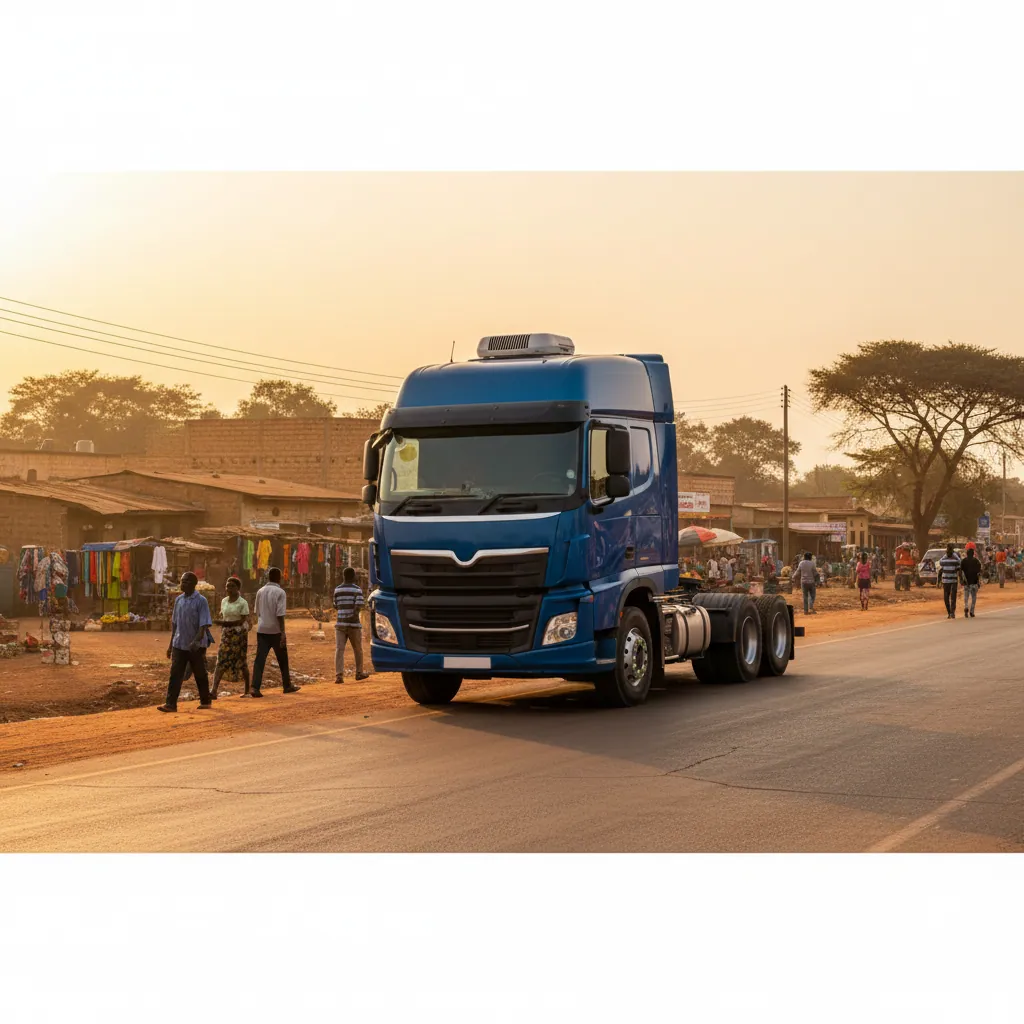
The decision to invest in truck parking air conditioners represents a significant capital commitment for African fleet operators, particularly those managing large vehicle inventories in competitive markets. Understanding the return on investment (ROI) for this equipment requires analyzing multiple benefit streams beyond simple fuel savings, including driver retention value, maintenance cost reductions, safety improvements, and competitive advantages in contract bidding. This comprehensive guide provides African fleet managers with the analytical framework needed to evaluate parking air conditioning investments and build compelling business cases for procurement approval.
Fuel savings typically constitute the most direct and easily quantified benefit of parking air conditioner deployment. The calculation begins with understanding baseline consumption—how much fuel does idling for cabin cooling actually consume? For heavy trucks operating in African conditions, this typically ranges from 2-4 liters per hour depending on engine size, ambient temperature, and air conditioning load. A truck that idles for three hours daily to maintain cabin comfort consumes 6-12 liters of diesel per day. At African diesel prices, which vary by country but generally range from $0.80-1.50 per liter for commercial users, this represents daily costs of $5-18 per vehicle. Extended across a year of operation (allowing for downtime and varying schedules), annual fuel savings per vehicle typically range from $1,500-5,000, providing a substantial return on the initial equipment investment.
Engine wear and maintenance cost reductions provide secondary benefits that, while harder to quantify precisely, contribute meaningfully to total return. Engine idling accelerates wear on critical components—pistons, rings, bearings, and cylinder walls experience additional cycles without generating productive work, leading to premature wear. Oil degradation occurs more rapidly under idling conditions, requiring more frequent changes and increasing maintenance costs. Exhaust after-treatment systems, including diesel particulate filters, accumulate deposits during extended idling that require maintenance or replacement. Industry estimates suggest that eliminating two hours of daily idling can extend engine overhaul intervals by 10-15% and reduce annual maintenance costs by $500-1,000 per vehicle, adding to the economic case for parking air conditioning.
Driver retention economics represent a significant but often underappreciated component of parking air conditioner ROI. The African trucking industry faces chronic shortages of experienced, qualified drivers—professionals who can handle heavy vehicles safely, navigate cross-border procedures, and manage the challenges of long-distance African transport. These skilled drivers are in high demand, and operators compete fiercely to attract and retain them. Recruitment costs for replacement drivers include advertising, screening, testing, and administrative processing, typically totaling $500-2,000 per hire depending on the market. Training new drivers to operational standards requires additional investment of time and resources. Most significantly, inexperienced drivers have higher accident rates, generating insurance costs, vehicle damage, and potential liability exposure that experienced drivers avoid.
The value of driver retention can be estimated by analyzing turnover costs and the impact of parking air conditioning on retention rates. Driver turnover is expensive, and even small improvements in retention rates can generate significant savings. A fleet experiencing 30% annual driver turnover with 100 vehicles might need to replace 30 drivers yearly, incurring $30,000-60,000 in direct recruitment and training costs. If parking air conditioning reduces turnover to 20% by improving job satisfaction and working conditions, the fleet saves $10,000-20,000 annually in recruitment costs alone. Additional savings from reduced accident rates, improved fuel efficiency from experienced drivers, and lower insurance premiums may double these figures. For a fleet investment of $100,000 in parking air conditioning, these retention benefits alone can generate 10-20% annual returns.
Safety and risk management benefits add further value that, while difficult to quantify precisely, can dwarf other considerations in the event of serious incidents. Fatigue-related accidents represent a significant portion of commercial vehicle incidents in Africa, with driver rest quality directly impacting alertness and reaction times. Studies consistently show that well-rested drivers have faster reaction times, better decision-making ability, and lower accident rates than fatigued drivers. Parking air conditioners enable effective rest during mandated break periods and overnight stops, reducing fatigue and improving safety performance. For a fleet with annual insurance costs of $100,000, a 10% reduction in accident rates achieved through improved driver rest could save $10,000 annually in premiums and deductibles—while avoiding the catastrophic costs of serious accidents that can reach hundreds of thousands of dollars in vehicle damage, cargo loss, and liability exposure.
Competitive positioning and contract bidding advantages generate revenue benefits that flow directly to bottom-line profitability. As African logistics markets mature and international standards increasingly influence procurement decisions, transport contracts increasingly specify equipment requirements and driver welfare provisions. Major mining companies, international shippers, and corporate clients require their transport contractors to meet specific standards as a condition of contract award. Fleet operators who cannot meet these specifications are excluded from bidding for premium contracts with major shippers, mining companies, and international logistics providers. Parking air conditioning enables qualification for these higher-value contracts, potentially increasing revenue per kilometer by 10-20% compared to commodity transport rates. For a fleet generating $1 million in annual revenue, this competitive advantage can add $100,000-200,000 in annual revenue that would otherwise flow to better-equipped competitors.
Equipment costs for parking air conditioner installation vary based on system specifications, fleet size, and installation arrangements. Understanding these costs enables accurate ROI calculations and procurement planning. Quality 24V parking air conditioners suitable for African conditions typically range from $800-1,500 per unit depending on cooling capacity and features. Installation costs, whether performed in-house or by external contractors, add $200-400 per vehicle depending on local labor rates and vehicle configurations. For a fleet of 50 trucks, total investment might range from $50,000-95,000 including equipment and installation. This capital outlay must be evaluated against the benefit streams outlined above, with most African fleets achieving complete payback within 12-24 months of deployment.
Operational cost considerations include energy consumption from the parking air conditioners themselves, maintenance requirements, and potential battery system upgrades. While parking AC eliminates idling fuel consumption, the electrical energy drawn from vehicle batteries must be replaced through alternator charging during driving hours or supplemental solar charging. This energy consumption is minimal compared to engine idling—typically less than 10% of the fuel that would be consumed by idling for equivalent cooling. Maintenance costs include periodic filter replacement ($20-50 annually) and potential repairs, with quality systems typically requiring minimal service beyond routine maintenance during their 5-7 year operational life. Battery system upgrades may be recommended for some applications to ensure adequate runtime.
Financing considerations affect ROI calculations for fleet operators who cannot fund equipment purchases from operating cash flow. Leasing arrangements, equipment financing, or supplier credit programs spread capital costs over time, converting upfront investment into manageable monthly payments. These financing costs reduce net returns but enable deployment that would otherwise be impossible due to capital constraints. When evaluating financing options, operators should compare total financing costs against projected monthly savings to ensure that cash flow remains positive throughout the payback period. Many African fleet operators find that fuel savings alone cover financing payments, making the investment cash-flow positive from the first month of operation.
Sensitivity analysis helps fleet managers understand how ROI varies under different assumptions about fuel prices, utilization rates, and equipment costs. Scenario planning enables informed decision-making under uncertainty. Fuel price increases improve returns dramatically—a 20% increase in diesel prices might reduce payback periods by 30% or more. Higher utilization rates (more hours of cooling use per day) accelerate returns, while lower utilization extends payback periods. Equipment cost reductions through volume purchasing or supplier negotiations improve returns across all scenarios. Fleet managers should model best-case, expected, and worst-case scenarios to understand the range of potential outcomes and make informed investment decisions.
For African fleet operators evaluating parking air conditioner investments, we provide detailed ROI analysis tools and consultation services. Our team can help you model specific scenarios based on your fleet composition, operating patterns, and local cost structures. We offer flexible procurement arrangements including volume discounts, financing support, and pilot programs that enable validation of ROI projections before full fleet deployment. Contact us at info@vethy.com or WhatsApp +86 18561534326 to discuss your specific situation and receive a customized ROI analysis for your fleet. The data consistently shows that parking air conditioning generates positive returns for African fleets—let us help you quantify the benefits for your operation.
Tax considerations affect ROI calculations differently across African jurisdictions, with some countries offering accelerated depreciation or investment allowances for equipment that improves worker welfare. Fleet operators should consult with tax advisors to understand available incentives and structure investments optimally. In some cases, parking air conditioning may qualify for special treatment as safety equipment or worker welfare investments, generating tax benefits that improve after-tax returns. Proper documentation of business purpose and installation costs supports tax positions and enables full utilization of available incentives.
Benchmarking against industry peers provides context for ROI evaluations and helps fleet managers justify investments to stakeholders. Industry associations, trade publications, and equipment suppliers can provide comparative data on adoption rates and performance outcomes across similar fleets. Operators who have implemented parking air conditioning typically report 18-24 month payback periods, with total cost of ownership reductions of 15-25% over five years. These benchmarks help validate ROI projections and build consensus among decision-makers about the strategic value of the investment.