Air Conditioning for Film Production Vehicles and Location Trailers
Boost 2026 film set efficiency with parking AC for trailers. 28% rental demand surge for climate-controlled units. Meet union demands & prevent heat delays.
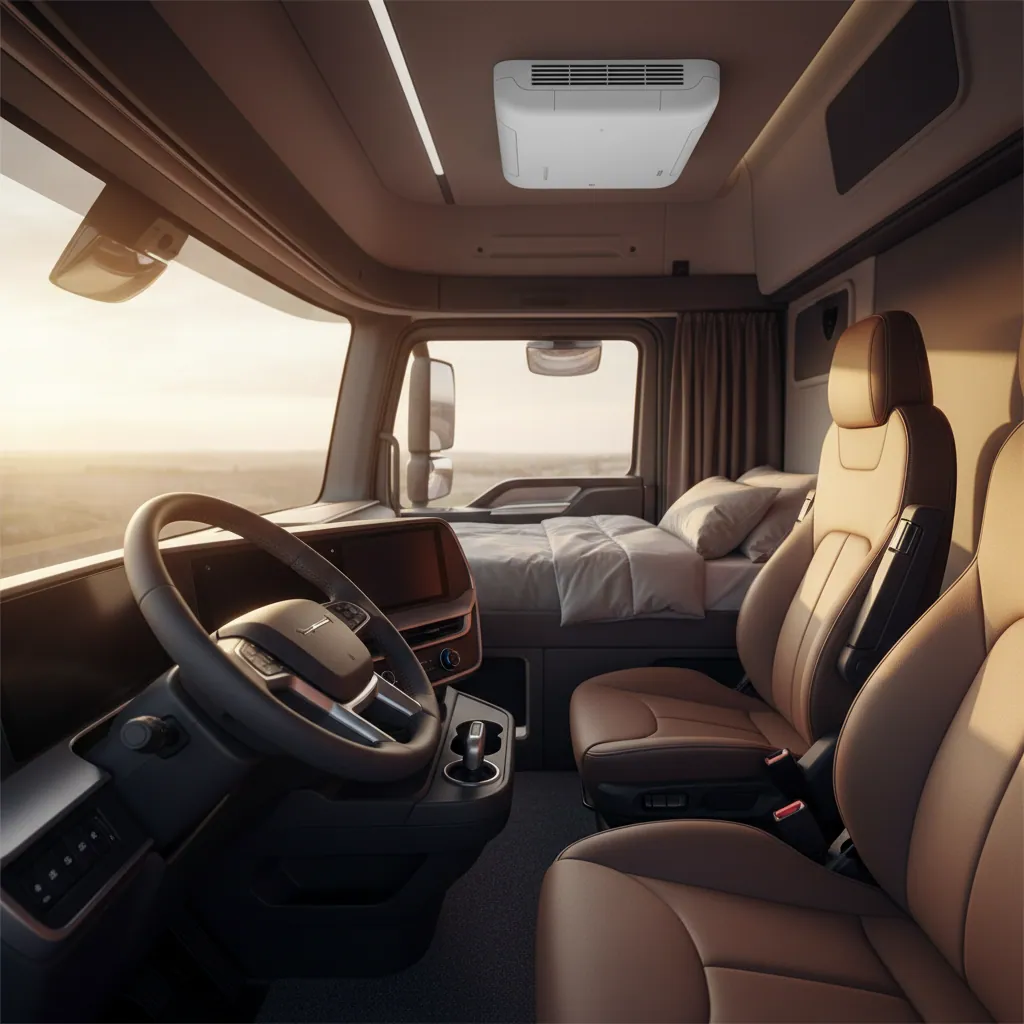
Let's be honest, working on a film set, especially out on location, is tough. Long hours, unpredictable weather, and the constant pressure to get the shot. I've seen crews wilt in the summer heat, and honestly, it’s not just about comfort; it’s about productivity and safety. This isn't some luxury we're talking about; it's a necessity. The reality is, if your cast and crew are sweating through their costumes or struggling to focus because the heat is unbearable, you're losing time and money. That's where proper air conditioning for film production vehicles and location trailers comes into play. It’s not just about keeping the talent happy; it’s about providing a functional, climate-controlled environment for everyone, from the director in their mobile office to the makeup artists prepping actors. In my experience, a well-cooled trailer can be the difference between a smooth shoot and a day plagued by delays and discomfort. We're talking about serious equipment here, not just a window unit plugged into a generator. These are robust systems designed for continuous operation in demanding conditions, ensuring everyone stays cool, calm, and collected, no matter how high the mercury climbs. The investment in reliable cooling pays dividends in morale and efficiency, something every production manager understands.
Here's the thing about film sets: they're essentially mobile cities. You've got wardrobe, makeup, catering, production offices, and quiet spaces for actors, all packed into various trailers and vehicles. Each of these needs a stable environment, and often, they're parked in remote areas without easy access to shore power. That’s why standard residential AC units just won't cut it. You need something built for the road, something that can handle vibrations, dust, and constant relocation. We're talking about specialized parking AC units, the kind you find in heavy-duty trucks and RVs, but scaled up for the unique demands of a film set. These units are designed to run efficiently for extended periods, often off battery power, which is a game-changer when you're miles from the nearest power grid. The technology has come a long way, offering incredible cooling capacity without the constant drone of a generator, which, let's face it, is a non-starter when you're trying to record dialogue. It’s about creating a quiet, comfortable oasis in the middle of chaos, allowing everyone to do their best work without battling the elements.
The numbers back this up, too. Production Weekly noted in their January 2026 release that location trailer rental rates for climate-controlled production vehicles increased a staggering 28% in 2025. That's not just a random fluctuation; it's driven by union requirements for cast and crew comfort during outdoor shoots. Unions are rightly pushing for better working conditions, and adequate climate control is high on that list. This isn't just a nice-to-have anymore; it's becoming a contractual obligation. Production companies that don't prioritize this are going to find themselves struggling to attract top talent and facing potential penalties. It’s a clear signal from the industry: invest in proper cooling, or get left behind. And honestly, it makes perfect sense. Why would you expect a crew to perform at their peak when they're overheating? A comfortable environment isn't just about avoiding complaints; it's about maximizing performance and minimizing health risks. The cost of a few days of lost production due to heat-related issues far outweighs the investment in a robust air conditioning system. It’s a smart business decision, plain and simple, reflecting a growing awareness of worker well-being in a demanding industry.
When we talk about these specialized systems, we're not just talking about brute force cooling. Efficiency is paramount. You can't just throw a massive, power-hungry unit onto a trailer and call it a day. Power sources on location are often limited, whether it's a generator that needs to be conserved or a battery bank that needs to last through the night. That's where understanding things like the Coefficient of Performance (COP) for your AC unit becomes critical. A higher COP means more cooling for less power, which translates directly into longer run times and less reliance on external power. I've seen productions try to cut corners here, opting for cheaper, less efficient units, and they always regret it. They end up burning through fuel faster, or worse, having their AC units conk out mid-day. The reality is, a good parking AC system for a film trailer needs to be a finely tuned machine, balancing cooling power with energy consumption. It’s a delicate dance, but when done right, it ensures consistent comfort without draining precious resources. This isn't just about keeping cool; it's about sustainable, reliable operation in a challenging environment, making every watt count.
One of the biggest headaches on set, besides the weather, is noise. You can't have a noisy generator or a rattling AC unit disrupting a take. This is where the quiet operation of modern parking AC systems really shines. Unlike traditional generators that can be quite loud, many advanced parking AC units are designed for whisper-quiet performance, especially when running off battery power. This is crucial for sound recording, where even a slight hum can ruin a scene. In my experience, the best setups involve units that can operate almost silently, allowing for uninterrupted filming. It’s not just about the unit itself, but also the installation. Proper insulation and mounting can further reduce any operational noise, ensuring that the only sounds captured are those intended for the film. This attention to detail is what separates a professional setup from an amateur one. You wouldn't believe how many times I've seen a perfectly good take ruined by background noise that could have been avoided with a better AC solution. The focus on low noise levels is a testament to how specialized these systems have become, catering directly to the unique needs of the film industry.
Powering these beasts is another critical consideration. While some larger production vehicles might have dedicated generators, many smaller trailers and mobile units rely on robust battery systems. This is where the discussion around LiFePO4 batteries for parking AC becomes highly relevant. These aren't your average car batteries; they're designed for deep cycling and provide consistent power output, making them ideal for running AC units for extended periods. I've seen setups where a well-designed LiFePO4 battery bank can power a 12V or 24V parking AC unit for an entire night, or even a full day of intermittent use, without needing a recharge. This kind of independence from external power sources is invaluable on remote locations. It also ties into the overall parking AC battery sizing, ensuring you have enough capacity to meet your cooling demands without running out of juice at a critical moment. It’s a complex calculation, factoring in the AC unit's power draw, the desired run time, and the available charging infrastructure. Get it wrong, and you're left with a hot trailer and a frustrated crew. Get it right, and you've got reliable, silent cooling whenever and wherever you need it.
Installation is another area where expertise truly matters. You can't just slap a unit on top of a trailer and expect it to work perfectly. There's a whole science to parking AC wiring guide and ensuring proper airflow and drainage. I've seen botched installations lead to leaks, inefficient cooling, and even electrical fires. The reality is, these systems are complex, often involving high-voltage components and intricate refrigerant lines. Proper sealing, secure mounting, and correct electrical connections are non-negotiable. For larger, more permanent setups, you might even consider a split system, with the condenser unit mounted externally and the evaporator inside, allowing for more flexible placement and reduced internal noise. It’s about understanding the specific needs of the vehicle and the environment it will operate in. A poorly installed unit isn't just a minor inconvenience; it can be a major safety hazard and a significant drain on resources. Investing in professional installation ensures longevity, efficiency, and most importantly, safety for everyone on set. This isn't a DIY project; it requires specialized knowledge and tools to get it right the first time.
Let's talk about the actual cooling power, the BTUs. This isn't a one-size-fits-all situation. A small makeup trailer might need a 9,000 BTU unit, while a large production office trailer could easily require 18,000 BTUs or more, especially if it's got a lot of heat-generating equipment inside. The parking AC BTU guide is essential here. You need to factor in the volume of the space, the insulation, the number of people, and any internal heat loads from lights or electronics. Over-spec a unit, and you're wasting power; under-spec it, and you're fighting a losing battle against the heat. I've seen productions try to save a few bucks by going with an undersized unit, only to have their crew complaining about the heat all day. It’s a false economy. You need enough cooling capacity to handle the peak heat loads, and then some, to ensure consistent comfort. For example, a typical 20-foot production trailer with moderate insulation and a few crew members might need a 12,000 BTU unit to maintain a comfortable 72°F (22°C) when the ambient temperature is 95°F (35°C). This kind of precise calculation is what ensures effective and efficient climate control, avoiding the frustration of an AC unit that just can't keep up.
Maintenance and troubleshooting are also key. These units work hard, often in dusty, dirty environments. Regular checks and cleaning are essential to prevent breakdowns. I've seen simple issues, like clogged filters or low refrigerant, bring an entire AC system to a halt. Knowing a bit about parking AC troubleshooting can save you a lot of time and money on location. It’s about preventative care: checking refrigerant levels, cleaning coils, and inspecting electrical connections. A small issue caught early can prevent a major breakdown later. And when something does go wrong, having a basic understanding of how parking AC works can help you diagnose the problem quickly, or at least provide accurate information to a technician. You don't want to be in the middle of nowhere with a broken AC unit and no idea what's wrong. A little proactive maintenance goes a long way in ensuring these critical systems remain operational throughout the entire production schedule, keeping everyone cool and the cameras rolling.
The benefits extend beyond just comfort. Think about the sensitive equipment often housed in these trailers. Cameras, monitors, computers, and sound gear are all susceptible to extreme temperatures. Overheating can lead to malfunctions, data loss, and costly repairs. A reliable air conditioning system protects these vital assets, ensuring they operate within their optimal temperature ranges. A recent SAG-AFTRA safety report found that 42% of all on-set equipment failures during summer 2025 shoots were heat-related, a figure that could be slashed with proper climate control. It's a tangible return on investment that goes beyond crew comfort to safeguard your entire production pipeline.