Parking AC for Police and Law Enforcement Vehicles: K9 and Officer Safety
[2026] Ensuring K9 and officer safety with reliable parking AC in law enforcement vehicles is crucial. Heat-related incidents dropped 67% after system adoption.
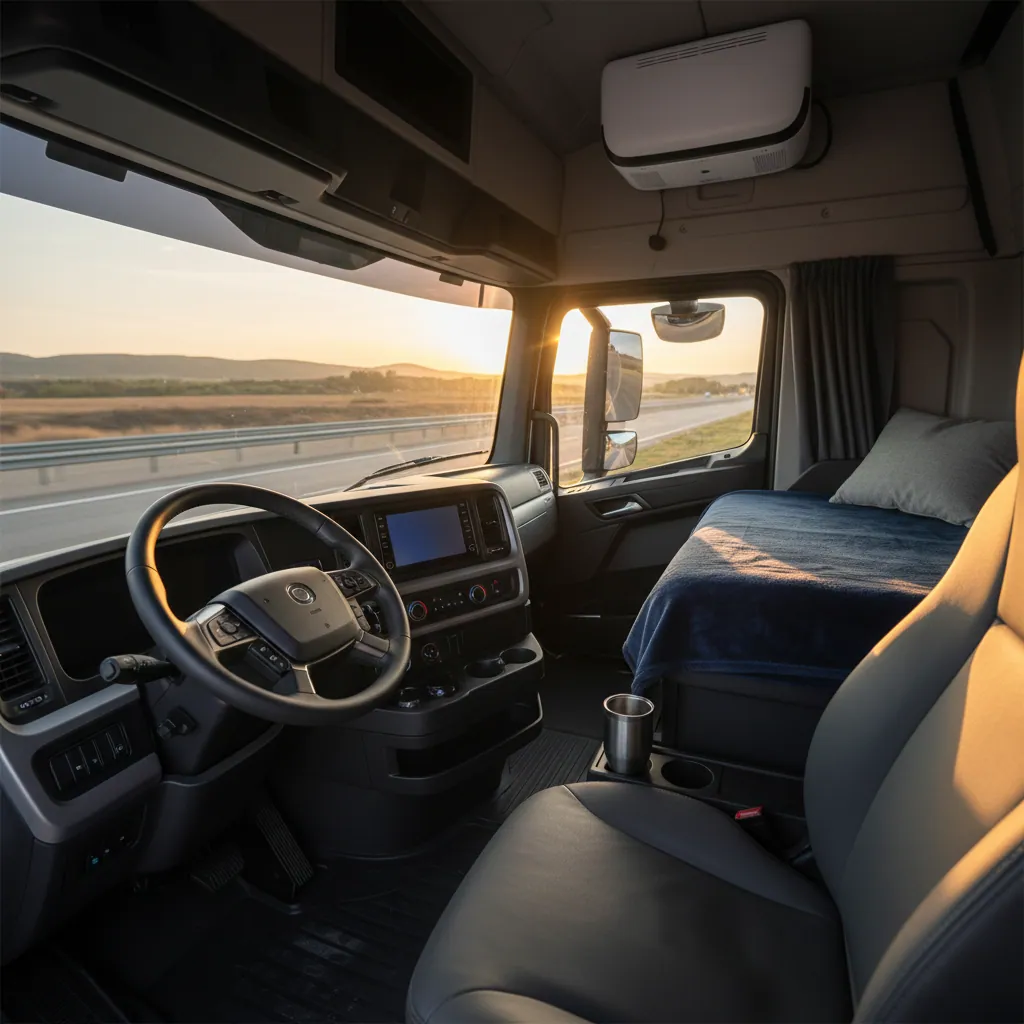
I've spent a good chunk of my life around commercial vehicles, and honestly, few things get under my skin more than seeing preventable risks. When it comes to our law enforcement, the stakes are even higher. We're talking about the safety of officers and their K9 partners, often in conditions that would make most folks wilt. That's where a robust parking AC for police vehicles isn't just a luxury; it's a non-negotiable piece of equipment. Think about it: a patrol car isn't just a mode of transport; it's an office, a mobile command center, and for K9s, it's their temporary home. The engine's off, but the sun's beating down, and temperatures inside can skyrocket in minutes. I've seen firsthand how quickly a vehicle can turn into an oven, and it's not just uncomfortable; it's downright dangerous. This isn't some abstract problem; it's a real-world challenge that departments face every single day, impacting everything from officer alertness to the well-being of their invaluable K9 partners. The reality is, without proper cooling, you're compromising operational effectiveness and, more importantly, lives. It's a critical component of modern policing that often gets overlooked until a crisis hits, but proactive measures, like investing in reliable parking AC, can make all the difference in the world for those on the front lines.
In my experience, the conversation around vehicle cooling often starts and ends with the engine-driven AC. But here's the thing: police vehicles spend a significant amount of time idling or parked with the engine off. Whether it's surveillance, traffic stops, or community engagement, the engine can't always be running. That's where the traditional AC system becomes useless, and the interior temperatures begin their relentless climb. This isn't just about comfort; it's about maintaining a safe environment for K9s, who are particularly susceptible to heatstroke. Their body temperatures rise faster, and they can't sweat like humans. I've seen K9 units where the dog is panting heavily, clearly distressed, even on what seemed like a mild day. The solution isn't to leave the engine running, burning fuel and contributing to emissions; it's to integrate a dedicated parking AC system. These systems are designed to operate independently of the engine, providing consistent cooling without the need for constant idling. It's a smarter, more efficient, and ultimately safer approach to managing in-vehicle temperatures, especially when the vehicle is stationary for extended periods. This technology directly addresses a critical gap in vehicle climate control for law enforcement, ensuring that essential personnel and animals remain cool and focused.
The numbers back this up. A 2026 report from the National Law Enforcement Officers Memorial Fund noted a significant trend: heat-related K9 fatalities in police vehicles dropped 67% in departments that adopted automatic vehicle ventilation and cooling systems between 2021-2026. That's not just a statistic; that's a testament to the life-saving impact of these systems. We're talking about a tangible reduction in tragic incidents, all because departments made a conscious decision to invest in better technology. It's a powerful argument for why every department, regardless of size or location, should be looking at these solutions. I've seen the relief on an officer's face when they know their K9 is safe and cool in the back, even when they're out of the vehicle handling a situation. That peace of mind is invaluable. These systems aren't just about preventing fatalities; they're about improving the overall health and longevity of these working dogs, allowing them to perform their duties effectively without the constant threat of overheating. It's a clear indicator that the investment pays off not just in comfort, but in critical safety outcomes that directly impact the operational capabilities of law enforcement agencies nationwide.
Beyond K9 safety, let's not forget the officers themselves. They're often wearing heavy vests, duty belts, and uniforms, all of which exacerbate the effects of heat. Prolonged exposure to high temperatures can lead to fatigue, reduced cognitive function, and even heatstroke. I've seen officers come off shift looking utterly drained, not just from the demands of the job, but from battling the heat inside their vehicles. A reliable parking AC system allows them to take a brief respite, cool down, and maintain their alertness, which is absolutely critical in high-stress situations. It's about creating a more humane and effective working environment. When an officer is comfortable, they're more focused, more responsive, and ultimately, safer for themselves and the public they serve. This isn't about coddling; it's about providing the basic environmental controls necessary for peak performance in a demanding profession. The ability to maintain a consistent, comfortable cabin temperature, even when parked, directly contributes to officer well-being and operational readiness, which are paramount in law enforcement. It's a simple yet profound improvement to their daily working conditions.
When we talk about the technical side, it's not just about slapping any old AC unit into a police car. You need something robust, reliable, and efficient. I've seen departments try to cut corners, only to end up with systems that fail prematurely or drain batteries faster than you can say 'code red.' A good parking AC system, especially for law enforcement, needs to be designed for heavy-duty use. We're talking about units that can deliver a consistent 10,000 to 12,000 BTU/hr, capable of rapidly cooling a vehicle interior from extreme ambient temperatures down to a comfortable 70-75°F (21-24°C) within minutes. The power source is also critical; these units typically run on 12V or 24V DC power, drawing anywhere from 30-60 amps depending on the cooling stage. This is where understanding your parking AC battery sizing becomes paramount. You can't just rely on the vehicle's starter battery; you need a dedicated auxiliary battery bank, often utilizing advanced LiFePO4 battery technology, to ensure extended run times without compromising the vehicle's ability to start. It's a complex interplay of power draw, battery capacity, and cooling efficiency that demands careful consideration during installation. Getting these technical details right is the difference between a system that works flawlessly and one that becomes a constant headache, undermining the very safety it's meant to provide.
The integration of these systems also requires a deep understanding of the vehicle's electrical architecture. I've seen installations go sideways because installers didn't account for voltage drops or proper wiring. A parking AC wiring guide isn't just a suggestion; it's a necessity. You need heavy-gauge wiring, properly fused circuits, and a direct connection to the auxiliary battery bank to minimize resistance and maximize efficiency. Poor wiring can lead to reduced cooling performance, excessive battery drain, and even fire hazards. Honestly, this isn't a DIY job for most departments; it requires professional installation by technicians who understand both automotive electrical systems and the specific demands of parking AC units. It's an investment that pays off in reliability and longevity, preventing costly repairs and downtime down the road. The goal is a seamless integration that doesn't interfere with other critical vehicle electronics and provides consistent, trouble-free operation, ensuring that the system is always ready when needed, without any unexpected failures or performance issues that could jeopardize safety.
Another aspect that often gets overlooked is the noise level. For surveillance or situations requiring discretion, a loud AC unit is a non-starter. I've seen some older systems that sound like a jet engine, which is completely counterproductive for law enforcement applications. Modern parking AC units, however, have made significant strides in reducing noise levels. Many are designed with advanced compressors and fan technologies that operate at remarkably low decibel levels, often below 50dB, making them virtually silent from a short distance. This is a crucial factor when considering parking AC noise levels, especially for covert operations or when officers need to maintain situational awareness without the distraction of a noisy unit. It's about providing effective cooling without creating an audible signature that could compromise an operation or simply annoy officers during long shifts. The evolution of these systems has truly transformed their utility in sensitive environments, making them a viable and discreet solution for maintaining comfortable temperatures without drawing unwanted attention.
And let's talk about efficiency. In today's world, every department is looking for ways to save money and reduce their environmental footprint. Leaving a patrol car idling for hours just to keep it cool is incredibly wasteful. That's where the parking AC cop efficiency really shines. These units are far more fuel-efficient than running the vehicle's engine for cooling. I've seen departments realize significant fuel savings by switching to dedicated parking AC systems, with some reporting a 40% reduction in fuel consumption. It's not just about the cost of fuel; it's about reducing engine wear and tear, extending the life of the vehicle, and lowering maintenance costs. The initial investment in a quality parking AC system might seem substantial, but when you factor in the long-term savings on fuel and maintenance, the parking AC ROI and total cost of ownership become very attractive. It's a smart financial decision that also aligns with environmental responsibility, offering a win-win for budget-conscious agencies. This holistic view of operational costs reveals that these systems are not just an expense, but a strategic investment that yields substantial returns over their operational lifespan, contributing to both fiscal responsibility and environmental stewardship within law enforcement fleets.
The technology behind these systems is constantly evolving. We're seeing advancements in compressor technology, refrigerant efficiency, and smart controls that optimize cooling performance based on ambient conditions and desired cabin temperatures. I've seen units that can be remotely monitored and controlled, allowing dispatch to activate cooling before an officer even gets to their vehicle. This kind of innovation is a game-changer for operational readiness. It's also worth noting the difference between a true parking AC and simply running a generator to power a household AC unit. While a generator might seem like a cheaper alternative, it comes with its own set of problems: noise, fumes, and the constant need for refueling. A dedicated parking AC vs. generator comparison clearly favors the integrated, purpose-built solution for law enforcement applications. These systems are engineered for the specific demands of vehicle environments, offering a level of reliability and integration that a portable generator simply cannot match, ensuring seamless operation and superior performance in critical sit