Parking Air Conditioners for Angola's Oil & Gas Transport
Specialized parking AC solutions for Angola's oil and gas transport sector. Reduce fuel costs by 15% & ensure driver safety in extreme heat. Reliable 24V systems for offshore operations.
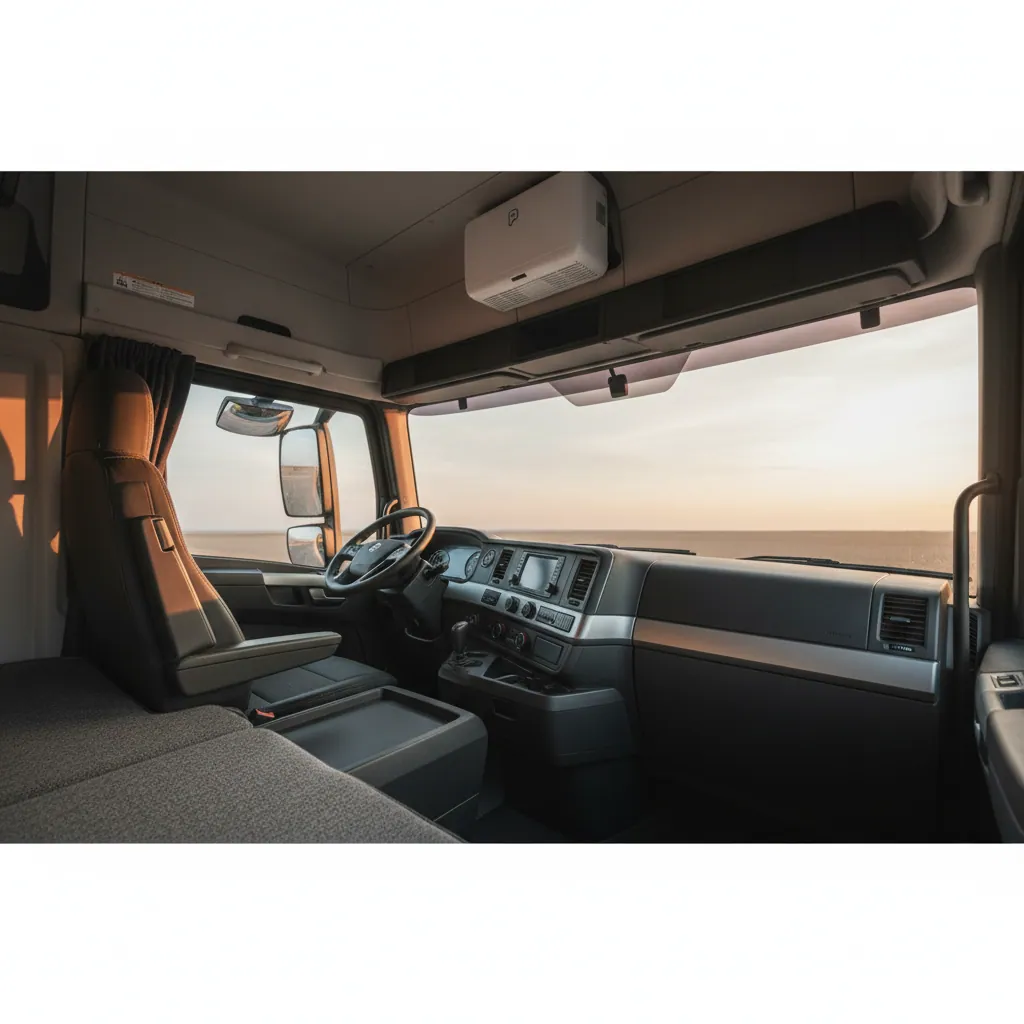
Angola's position as one of Africa's leading petroleum producers drives a sophisticated logistics sector that serves offshore platforms, coastal refineries, and inland operations across the country's vast territory. The oil and gas transport operations that support this industry operate under stringent safety standards and demanding environmental conditions, moving equipment, supplies, and personnel to locations that span from the tropical coast to remote interior regions. For transport operators serving Angola's energy sector, parking air conditioning has become a standard requirement—protecting driver welfare in extreme heat, supporting safety compliance, and ensuring the reliable delivery of critical supplies to time-sensitive operations.
The coastal corridor from Luanda south to Lobito and Namibe represents the heart of Angola's oil and gas logistics network. This region experiences a tropical climate with high temperatures and humidity year-round, creating challenging conditions for transport operations. The humidity along the Angolan coast can exceed 85%, with average temperatures reaching 34°C, making the apparent temperature feel significantly hotter than the actual reading. Trucks moving drilling equipment, pipeline materials, and operational supplies face daily exposure to conditions that can quickly lead to heat stress without adequate cooling. The ability to provide climate-controlled rest environments for drivers has become a baseline expectation for operators serving major oil companies, with contract specifications increasingly including provisions for driver welfare equipment.
Cabinda, the Angolan exclave separated from the main territory by the Democratic Republic of Congo, presents unique logistics challenges that make parking air conditioning particularly valuable. Transport routes to Cabinda require either maritime shipping or transit through DRC territory, creating complex supply chains where equipment reliability is paramount. Any equipment failure in Cabinda can result in significant delays and costs due to the difficulty of obtaining replacement parts or technical support. Once in Cabinda, trucks operate in tropical conditions supporting offshore oil platforms that operate continuously without regard for weather conditions. Drivers on Cabinda routes may spend extended periods away from base facilities, making their vehicle cabins their primary living spaces. Parking air conditioning transforms these cabins into habitable spaces that support driver health and operational readiness.
The interior regions of Angola, including the provinces of Malanje, Huambo, and Bié, are experiencing renewed development as oil revenues fund infrastructure projects. Transport operations supporting these developments face extreme conditions—temperatures regularly exceeding 42°C during the hot season, poor road infrastructure, and limited service facilities. The transition from coastal to interior regions involves significant climate changes as elevation increases, but the heat remains intense throughout most of the country. Trucks operating these routes must be self-sufficient, carrying the equipment and supplies needed to maintain operations far from support bases. Parking air conditioning fits this operational model, providing essential comfort without requiring external power sources or additional equipment.
Safety culture in the oil and gas sector sets standards that influence equipment specifications across all support services. Major operators require contractors to demonstrate commitment to personnel welfare as a condition of contract award, and this expectation extends to transport providers. Safety audits and contractor assessments typically include evaluation of driver welfare provisions, with inadequate facilities potentially resulting in disqualification from bidding. Parking air conditioning addresses one of the most significant environmental hazards facing transport workers in Angola—extreme heat exposure. By providing climate-controlled rest environments, operators demonstrate compliance with safety principles that emphasize hazard mitigation and personnel protection. This compliance documentation supports contract qualification and relationship maintenance with major oil company clients.
Voltage requirements for Angolan oil and gas transport fleets follow standard international practice—heavy trucks and specialized transport vehicles operate on 24V electrical systems. This standardization simplifies equipment selection and ensures compatibility across mixed fleets. Our CoolDrivePro VS02 PRO and similar 24V parking air conditioners are engineered for these applications, delivering the cooling capacity needed for large truck cabins while operating efficiently from standard vehicle electrical systems. Installation integration with existing vehicle electrical architectures minimizes modification requirements and ensures compatibility with other onboard systems. Professional installation by qualified technicians ensures optimal performance and compliance with vehicle warranty requirements.
The economic case for parking air conditioning in Angola's oil and gas transport sector incorporates fuel savings, safety compliance, and competitive positioning in contract bidding. While Angola is a major oil producer, commercial diesel costs still represent a significant operational expense for transport operators. Eliminating idling to power conventional air conditioning delivers direct cost savings that improve fleet profitability. Beyond fuel economics, the ability to meet client safety standards and document driver welfare provisions supports contract retention and bidding for new business—generating revenue value that often exceeds direct operational savings. The reputation benefits of being known as a safety-conscious operator can lead to preferential treatment in contract awards.
Maintenance and support considerations for Angolan oil and gas fleets emphasize reliability and rapid response capability. Equipment failures that idle trucks in remote locations can cost thousands of dollars per day in lost revenue and contract penalties. The locations served by oil and gas transport often have limited or no local service facilities, making equipment reliability paramount. We recommend preventive maintenance programs that include regular filter changes, refrigerant level checks, and system performance verification. Our technical support team provides remote troubleshooting assistance and can expedite parts shipments to Angolan locations when repairs are needed. For major fleet operators, we offer spare parts packages that enable rapid in-house repairs for common issues.
The coastal environment in Angola presents specific maintenance challenges due to salt air exposure. Salt accelerates corrosion of metal components and can damage electrical systems if not properly protected. Regular washing of equipment, particularly the condenser unit and exposed electrical connections, helps prevent salt buildup. Protective coatings and corrosion-resistant materials extend equipment life in coastal conditions. Our systems incorporate marine-grade materials and protective finishes designed to withstand salt air exposure, but regular maintenance remains essential for long-term reliability in coastal operations.
Import logistics for equipment destined for Angola's oil and gas sector benefit from established freight channels serving the petroleum industry. The major ports of Luanda and Lobito handle significant volumes of oil field equipment and have established customs procedures for industrial imports. We coordinate shipping through these channels to ensure reliable delivery to Luanda, Lobito, or Cabinda. Our documentation packages include commercial invoices, packing lists, and certificates of origin formatted for Angolan customs requirements. Delivery timelines typically range from 5-7 weeks depending on routing and vessel availability. We can also coordinate air freight for urgent requirements, though at significantly higher cost than sea freight options.
The competitive environment for Angola's oil and gas transport sector is intensifying as international operators seek market entry and local operators upgrade capabilities to meet international standards. Equipment investments that demonstrate professionalism and safety commitment provide competitive differentiation in this environment. Parking air conditioning represents a visible, easily communicated investment in driver welfare that supports marketing efforts and client relationship development. As Angola's oil sector continues to evolve with new developments and expanding operations, transport providers who position themselves as professional, safety-conscious partners gain preferred status with major operators.
For Angolan oil and gas transport operators seeking parking air conditioning solutions, we offer products engineered for the demanding conditions of energy sector logistics. Our 24V systems deliver reliable cooling performance in tropical conditions while meeting the reliability standards that offshore support operations demand. Contact our team at info@vethy.com or WhatsApp +86 18561534326 to discuss your specific fleet requirements, receive technical specifications, and obtain a customized quotation. We understand the unique requirements of Angola's energy sector and are committed to supporting your operations with equipment that meets the highest standards of performance and reliability.
The diversification of Angola's economy beyond petroleum creates new transport requirements as agricultural, manufacturing, and consumer goods sectors develop. Transport operators who established capabilities serving the oil industry find these skills transferable to emerging sectors, but must maintain the professional standards that oil sector clients required. Parking air conditioning represents a visible marker of operational professionalism that transfers across industry sectors—agricultural exporters and consumer goods distributors value the same reliability and driver welfare standards as oil companies. Transport operators who invested in modern equipment during the oil boom maintain competitive advantages as the economy diversifies.
Angola's reconstruction and development efforts following years of conflict have created infrastructure improvement programs that benefit transport operations nationwide. Road rehabilitation projects, port expansion, and logistics zone development all contribute to more efficient transport networks. As these improvements take effect, transport operators can achieve higher utilization rates and faster turnaround times, making equipment investments more productive. Parking air conditioning that improves driver performance becomes more valuable as operational intensity increases, with the benefits of well-rested drivers compounding across more trips and greater distances.
The long-term outlook for Angola's transport sector remains positive as the country leverages its natural resources to fund economic growth across multiple industries. Transport operators who invested early in equipment upgrades and capability enhancements maintain competitive positioning in this evolving market. As Angola continues to develop its infrastructure and diversify its economy, transport operators with modern, efficient fleets will play a central role in supporting economic growth and commercial development nationwide.