Industrial Parking AC for DRC's Mining Transport Fleet
Heavy-duty parking air conditioners for DRC mining transport fleets in 2026. Industrial-grade cooling for trucks operating in Katanga copper belt and remote mining regions.
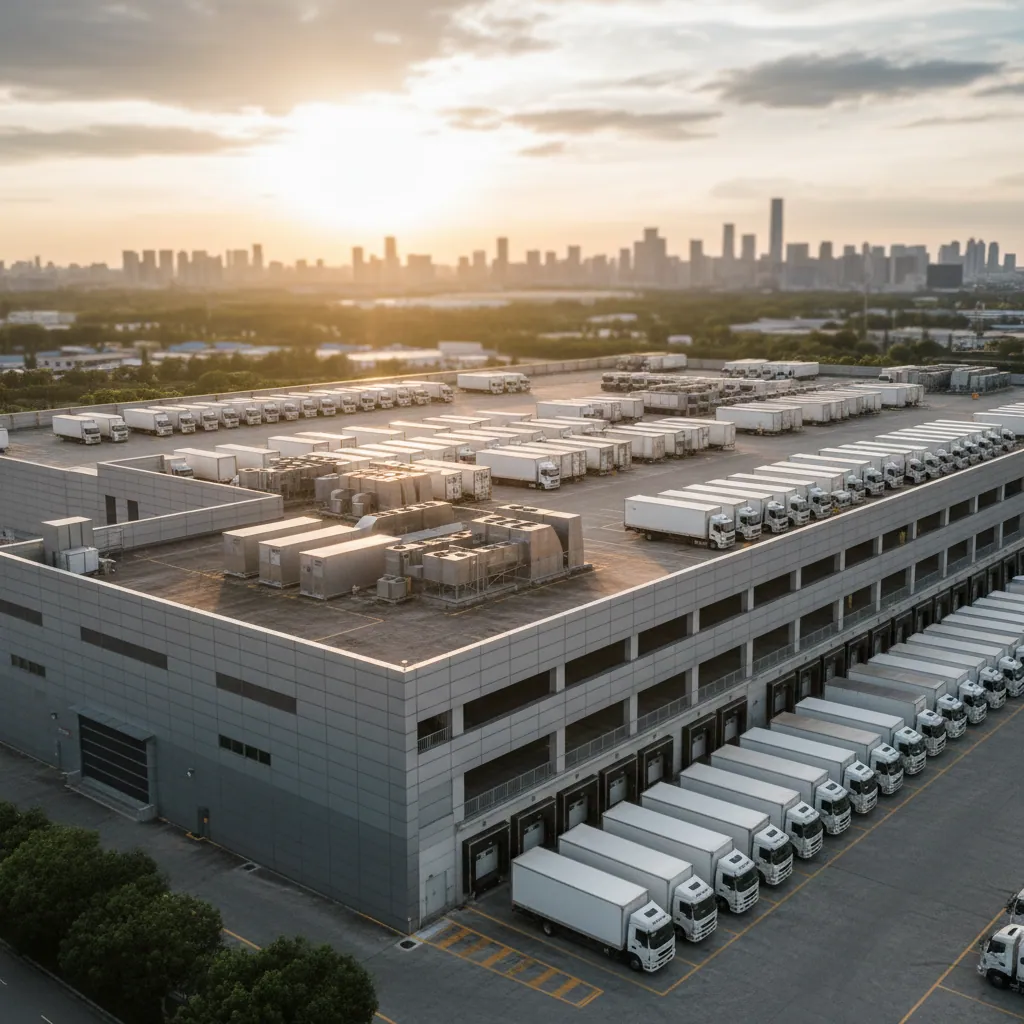
The Democratic Republic of Congo stands at the center of Africa's mining revolution, with the Katanga Province holding some of the world's largest reserves of copper, cobalt, and other strategic minerals. The mining operations that extract these resources depend on extensive transport networks to move equipment, supplies, and extracted materials across vast distances. DRC mining transport fleets face conditions that push vehicles and drivers to their absolute limits—poor road infrastructure, extreme tropical heat, and remote operating locations where breakdowns can strand crews for days. For mining logistics operators, industrial-grade parking air conditioning has become essential equipment for maintaining operational tempo and protecting driver welfare.
The mining transport corridors of southeastern DRC represent some of Africa's most challenging logistics environments. Routes connecting Lubumbashi, Kolwezi, and Tenke with ports in Tanzania, South Africa, and Namibia carry heavy loads over deteriorated roads that punish vehicles with vibration, dust, and constant mechanical stress. The roads in this region often consist of little more than tracks through the bush, with deep ruts, mud sections during the rainy season, and dust clouds that reduce visibility to near zero in the dry season. Drivers on these routes work long hours in sweltering conditions, with cab temperatures regularly exceeding 40°C even with windows open. The ability to rest in air-conditioned comfort during mandatory breaks and overnight stops directly impacts driver alertness, safety performance, and retention rates in an industry where experienced drivers are in short supply.
Cobalt and copper mining operations in the DRC run continuously, with transport fleets operating around the clock to feed processing plants and move finished products to market. This 24/7 operational tempo means trucks are constantly in motion, and driver rest becomes a critical limiting factor for fleet productivity. Mining contracts typically include strict delivery schedules with penalty clauses for delays, making driver availability and performance crucial to profitability. Parking air conditioners enable effective rest during shift changes and mandatory stop periods, allowing drivers to recover properly between driving stints. Mining operators who invest in driver comfort report reduced accident rates, improved on-time performance, and lower turnover among their driver workforce—all factors that directly impact the bottom line in a competitive extraction industry.
The tropical climate of the DRC creates specific challenges for air conditioning equipment that standard consumer-grade systems may not address. High humidity levels combined with temperatures regularly exceeding 35°C place extraordinary demands on cooling capacity and moisture removal. The combination of heat and humidity creates conditions where heat stress can develop rapidly, making effective cooling a safety imperative rather than merely a comfort consideration. Industrial-grade parking air conditioners for DRC mining applications must deliver not just temperature reduction but effective dehumidification, creating comfortable cabin environments even in the most oppressive conditions. Our CoolDrivePro VS02 PRO delivers 2500W of cooling capacity with high-efficiency rotary compressors engineered for tropical operation, maintaining comfortable cabin conditions even when ambient temperatures exceed 40°C.
Dust management represents a critical concern for parking air conditioners operating in DRC mining environments. The fine dust generated by mining operations and unpaved transport routes can infiltrate air conditioning systems, coating heat exchangers, clogging filters, and causing premature compressor failure. During the dry season, dust clouds from passing vehicles create conditions where visibility is severely limited and airborne particles coat every exposed surface. Industrial-grade systems for mining applications incorporate heavy-duty filtration with high dust-holding capacity, sealed electrical enclosures that prevent dust ingress, and protective coatings that withstand abrasive dust exposure. Regular maintenance—including daily filter inspections during dry season operations and weekly cleaning protocols—maintains cooling performance and extends equipment life in these demanding conditions.
Electrical system reliability is paramount for mining transport fleets operating in remote DRC locations where service support may be days away. The electrical infrastructure in many mining areas is limited or non-existent, making vehicle self-sufficiency essential. Parking air conditioners must integrate seamlessly with 24V truck electrical systems without causing battery drain that could prevent vehicle starting. Quality systems incorporate low-voltage protection that automatically shuts down the air conditioner before battery levels drop to critical thresholds, ensuring vehicles remain operable. For DRC mining applications, we recommend battery system upgrades to high-capacity AGM or lithium-ion configurations that provide extended runtime without compromising vehicle reliability. Solar panel integration can provide supplementary charging during daylight hours.
The economic case for parking air conditioning in DRC mining transport extends beyond simple fuel savings to encompass operational efficiency and risk management. Mining contracts typically include penalty clauses for delivery delays, and vehicle downtime costs can exceed thousands of dollars per day when standby equipment and lost production are considered. Equipment that improves driver performance and reduces fatigue-related incidents delivers value far beyond its purchase price. Additionally, mining companies increasingly face scrutiny regarding their supply chain practices from international customers and investors, and providing adequate driver welfare provisions—including climate-controlled rest facilities—demonstrates corporate responsibility that supports social license to operate and contract retention.
Water management presents additional challenges in DRC mining operations where clean water may be scarce and vehicle washing facilities limited. The condensate water produced by air conditioning systems should be managed properly to prevent corrosion and maintain hygiene in the cabin environment. Our systems incorporate condensate drainage systems that can be routed to appropriate collection points or discharged safely. In conditions where water conservation is important, condensate can be collected for other uses. The design of the drainage system prevents backflow and contamination, ensuring that cabin air quality remains high even in dusty, humid conditions.
Installation and maintenance support for DRC mining fleets requires careful planning given the remote operating locations and limited local service infrastructure. We recommend that mining operators establish internal maintenance capabilities for routine air conditioner service—filter changes, refrigerant checks, and basic troubleshooting—while maintaining spare parts inventories for common replacement items. Training programs for maintenance staff should cover system operation, preventive maintenance procedures, and common fault diagnosis. Our technical documentation supports this approach with detailed maintenance procedures, exploded parts diagrams, and troubleshooting flowcharts. For major repairs, we can provide remote technical support and expedite parts shipments to DRC locations through reliable freight channels.
Mining transport operators in the DRC must navigate complex import logistics to bring equipment into the country. The DRC's import procedures can be time-consuming and require careful attention to documentation. We support this process with comprehensive documentation including commercial invoices, packing lists, certificates of origin, and any required conformity certificates that facilitate customs clearance at Lubumbashi, Kinshasa, or border entry points. Our freight forwarding partners have experience with DRC import procedures and can advise on optimal shipping routes and documentation requirements. Typical delivery times range from 6-8 weeks depending on routing and customs processing, so advance planning is essential for maintaining fleet equipment schedules.
The competitive dynamics of DRC mining logistics are evolving as international scrutiny of supply chain practices increases and major mining companies implement stricter contractor standards. Transport operators who invest in modern equipment and demonstrate commitment to driver welfare position themselves for long-term contracts with major mining houses. Parking air conditioning represents a visible, easily verified investment in driver welfare that supports operator qualification for premium contracts. As the DRC mining sector continues to expand to meet global demand for copper and cobalt, particularly for electric vehicle batteries, equipment standards that meet international expectations become increasingly important for market access and contract retention.
For DRC mining transport operators seeking industrial-grade parking air conditioning solutions, we offer products engineered specifically for the extreme conditions of African mining operations. Our 24V systems deliver the cooling capacity, dust resistance, and reliability that mining applications demand, backed by comprehensive technical support and spare parts availability. Contact our team at info@vethy.com or WhatsApp +86 18561534326 to discuss your specific fleet requirements, receive detailed technical specifications, and obtain a customized quotation. We understand the unique challenges of DRC mining logistics and are committed to supporting your operations with equipment that performs reliably in the world's most demanding transport environments.
Supply chain resilience has become a critical concern for mining operations worldwide, and the DRC's role in global cobalt and copper supply makes transport reliability strategically important. Mining companies are increasingly requiring their logistics contractors to demonstrate redundancy and reliability capabilities that ensure continuous material flow regardless of operational challenges. Parking air conditioning contributes to this resilience by reducing driver fatigue-related incidents and supporting driver retention, ensuring that experienced operators remain available to maintain transport schedules. The investment in driver welfare thus becomes part of broader supply chain risk management strategies.
Community relations and social license to operate are increasingly important for mining companies in the DRC, where local communities expect benefits from extraction activities taking place on their lands. Transport operators who demonstrate commitment to worker welfare through visible investments like parking air conditioning support their mining clients' community relations efforts. Well-treated drivers become ambassadors for responsible mining practices, helping secure the social license necessary for long-term operational sustainability in the region.