How to Store and Winterize Your Parking Air Conditioner
Learn how to properly store and winterize your parking air conditioner with our comprehensive guide. Protect your investment and ensure optimal performance next….…
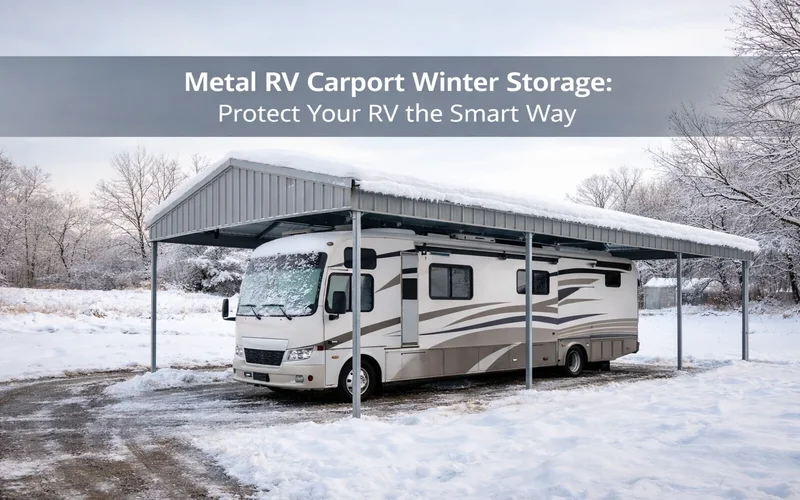
As the colder months approach, ensuring the longevity and optimal performance of your parking AC winter storage unit becomes paramount. For truck drivers, RV owners, and van lifers who rely on their mobile air conditioning systems for comfort, proper winterization isn't just a recommendation—it's a crucial maintenance step. Neglecting to adequately prepare your parking AC for the harsh winter conditions can lead to costly repairs, reduced efficiency, and a shortened lifespan for your unit. This comprehensive guide will walk you through the essential steps to effectively store and winterize your parking air conditioner, safeguarding your investment and ensuring it's ready to deliver cool comfort when warmer weather returns. We'll delve into the critical reasons behind winterization, provide a detailed pre-winterization checklist, and offer specific instructions for preparing different types of parking AC units, including rooftop, split, and portable systems. Furthermore, we'll explore the ideal storage environments, crucial component protection strategies for batteries, refrigerant, and electrical systems, and highlight common mistakes to avoid. By following these expert tips and actionable advice, you can protect your unit from freezing temperatures, moisture damage, corrosion, and pest infestations, ensuring a smooth start-up next spring and maximizing its operational lifespan. Understanding these nuances is key to preserving your investment and guaranteeing uninterrupted comfort when the heat returns.
Why Winterize Your Parking AC? A Deeper Dive into Protection
Winterizing your parking AC unit is more than just a seasonal chore; it's a strategic investment in its future performance and your peace of mind. The extreme conditions of winter—freezing temperatures, heavy snow, ice, and fluctuating humidity—can wreak havoc on sensitive electronic components, refrigerant lines, and mechanical parts. Without proper preparation, these elements are vulnerable to damage that can significantly impact your unit's efficiency and lifespan. For instance, residual water in lines can freeze and expand, leading to cracked pipes or coils, which are expensive to repair. Moisture trapped within the unit can foster mold and mildew growth, creating unpleasant odors and potential health hazards. Furthermore, exposed electrical connections can corrode, causing malfunctions or complete system failure. A well-winterized unit, however, is protected against these threats. It maintains its structural integrity, preserves its cooling capacity, and reduces the likelihood of unexpected breakdowns. This proactive approach not only saves you money on potential repairs but also ensures that your parking AC is ready for immediate use when you need it most, providing reliable comfort without delay. It's about extending the life of your unit and avoiding the frustration of a non-functional AC when spring arrives.
The Ultimate Pre-Winterization Checklist for Your Parking AC
Before you even think about covering your parking AC unit, a thorough pre-winterization checklist is crucial to ensure all preliminary steps are completed. This foundational work sets the stage for effective parking AC winter storage and prevents issues that might arise from overlooked details. First and foremost, cleaning is paramount. Begin by disconnecting the unit from its power source to ensure safety. Remove any external debris such as leaves, dirt, and insect nests from the condenser coils and fan blades. Use a soft brush or a vacuum cleaner with a brush attachment to gently clean these areas. For stubborn grime, a mild detergent solution and a soft cloth can be used, ensuring the unit is completely dry afterward. Next, draining any residual water is critical, especially for units with condensate pans or lines. Water left in these areas can freeze, expand, and cause significant damage. Consult your unit's manual for specific draining procedures; typically, this involves opening drain plugs or tilting the unit to allow water to escape. For portable units, ensure the internal water tank is completely empty. Finally, a detailed inspection of the unit is necessary. Check for any visible signs of wear and tear, loose connections, or damaged insulation. Note any issues that might require professional attention before storing the unit. This is also an opportune time to clean or replace air filters, as clean filters improve air quality and unit efficiency. By meticulously completing these steps, you prepare your parking AC for a safe and protected dormancy throughout the winter months, minimizing potential problems and maximizing its readiness for the next cooling season.
Step-by-Step Guide to Winterize Different Parking AC Unit Types
The approach to winterize a parking AC unit can vary slightly depending on its type—whether it's a rooftop, split, or portable system. Each configuration presents unique considerations for optimal winter protection. For rooftop units, commonly found on RVs and some trucks, the primary concern is exposure to the elements. After cleaning the exterior and ensuring all drain holes are clear, inspect the mounting gaskets and seals for any cracks or deterioration. These seals are vital for preventing water ingress into your vehicle. Consider a breathable, weather-resistant cover specifically designed for RV rooftop AC units. Avoid non-breathable tarps, as they can trap moisture and promote corrosion or mold growth. For split parking AC systems, which have an indoor evaporator and an outdoor condenser unit, both components require attention. The outdoor condenser should be cleaned of debris, and its power supply disconnected. While covering the outdoor unit is often recommended, ensure the cover allows for adequate ventilation to prevent moisture buildup. The indoor evaporator unit should also be cleaned, and its filters removed and stored or replaced. For portable parking AC units, the process is generally simpler. After thoroughly draining any water from the internal reservoir and cleaning the filters and exterior, the unit should ideally be stored indoors in a dry, temperature-controlled environment. If indoor storage isn't feasible, a garage or shed can work, provided it's protected from extreme temperature fluctuations and excessive humidity. Always store portable units upright to prevent damage to internal components and refrigerant lines. Regardless of the type, always refer to your specific unit's owner's manual for manufacturer-recommended winterization procedures, as these can provide critical, model-specific instructions that ensure the best possible protection.
Choosing the Right Environment for Parking AC Winter Storage
Selecting the right storage environment is a critical aspect of effective parking AC winter storage, directly impacting the unit's condition and readiness for the next season. The ideal location offers protection from extreme temperatures, moisture, and pests. For portable units, indoor storage in a climate-controlled space like a heated garage, basement, or even a closet is highly recommended. This environment minimizes exposure to freezing temperatures that can damage internal components and prevents the accumulation of dust and debris. If indoor climate control isn't an option, a dry garage or shed can suffice, provided it's well-ventilated and not prone to significant temperature swings or dampness. Avoid storing units directly on concrete floors, as concrete can wick moisture, leading to rust or mold; placing the unit on a pallet or elevated surface is a better practice. For rooftop and split outdoor units that remain installed, the focus shifts to external protection. While these units are designed to withstand outdoor conditions, supplemental protection can extend their lifespan. A breathable, waterproof cover is essential. This cover should protect the unit from snow, ice, and falling debris while allowing air circulation to prevent condensation. Ensure the cover is securely fastened to prevent it from blowing off in strong winds. Regularly check the cover throughout the winter for any damage or displacement. It's also wise to clear any snow or ice accumulation from around the unit to prevent it from being buried, which can impede air circulation and trap moisture. By carefully considering the storage environment and implementing appropriate protective measures, you can ensure your parking AC unit remains in pristine condition, ready for efficient operation when spring arrives.
Protecting Critical Components: A Guide to Winterizing Your AC's Internals
Beyond general cleaning and covering, specific attention to the critical components of your parking AC unit—batteries, refrigerant, and electrical systems—is vital for comprehensive parking AC winter storage. These elements are particularly susceptible to winter damage and require targeted care. For units with integrated batteries (common in some portable or standalone parking ACs), proper battery maintenance is crucial. If the battery is removable, it should be fully charged and then stored in a cool, dry place, ideally disconnected from the unit. Periodically checking the charge level and recharging as needed (every 1-2 months) can prevent deep discharge, which significantly shortens battery life. For non-removable batteries, ensure the unit is fully charged before storage and consider disconnecting the main power supply to prevent parasitic drains. Refrigerant lines and coils are vulnerable to damage if water is present and freezes. While you shouldn't attempt to handle refrigerant yourself (it requires professional certification), ensuring the system is properly drained of any condensate before winter is key. Any visible refrigerant lines should be inspected for cracks or leaks and protected from physical damage. If your unit uses a specific type of refrigerant, be aware of its low-temperature properties, though modern refrigerants are generally stable. Finally, electrical systems are prone to corrosion from moisture. Before storage, ensure all electrical connections are clean and dry. Consider applying a dielectric grease to exposed terminals to prevent oxidation. Disconnecting the main power supply to the unit (e.g., flipping a breaker or unplugging) is a fundamental safety measure that also protects the electrical components from power surges or unexpected activation during dormancy. By meticulously addressing these critical components, you safeguard the most sensitive parts of your parking AC, ensuring its operational integrity and extending its service life through the winter months.
Common Winterization Mistakes and How to Avoid Them
Even with the best intentions, several common mistakes can undermine your efforts to properly winterize your parking AC unit, potentially leading to damage or reduced performance. Being aware of these pitfalls can save you time, money, and frustration. One frequent error is improper covering. While covering your unit is important, using non-breathable materials like standard plastic tarps can do more harm than good. These materials trap moisture inside the unit, creating a humid environment that fosters rust, corrosion, and mold growth. Always opt for breathable, weather-resistant covers specifically designed for AC units, or at least ensure adequate ventilation if using a generic cover. Another common oversight is neglecting thorough draining. Any residual water in condensate pans, drain lines, or even within the coils can freeze and expand, causing cracks and leaks that are expensive to repair. Always ensure all water is completely drained from the system before temperatures drop below freezing. Skipping the cleaning process is another mistake; leaving dirt, leaves, and debris on coils and in fan blades can lead to pest infestations, blockages, and accelerated corrosion over the winter. A clean unit is a protected unit. Furthermore, failing to disconnect power can lead to unnecessary wear on electrical components or even accidental activation during mild spells, which is inefficient and potentially damaging. Always ensure the unit is completely powered down and disconnected from its energy source. Lastly, ignoring the owner's manual is a significant error. Each parking AC unit has specific design features and manufacturer recommendations for winterization. Deviating from these instructions can void warranties or lead to improper storage. By avoiding these common mistakes, you can ensure your parking AC winter storage is effective, keeping your unit in prime condition for many seasons to come.
FAQ: Your Top Questions About Parking AC Winter Storage Answered
Here are some frequently asked questions to help you navigate the process of parking AC winter storage and ensure your unit is well-prepared for the colder months.\n\nQ1: Do I really need to winterize my parking AC if I live in a mild climate?\n\nA1: Even in milder climates, winterization is highly recommended. While you might not experience extreme freezing, temperature fluctuations, increased humidity, and prolonged periods of inactivity can still lead to moisture buildup, corrosion, and pest issues. A basic winterization process, including cleaning, draining, and covering, will significantly extend your unit's lifespan and prevent unexpected problems.\n\nQ2: Can I just use a regular tarp to cover my outdoor parking AC unit?\n\nA2: It's generally not recommended to use a regular, non-breathable plastic tarp. These tarps can trap moisture inside the unit, creating a humid environment that promotes rust, corrosion, and mold. Instead, opt for a breathable, weather-resistant cover specifically designed for AC units. These covers protect against snow and debris while allowing air circulation, preventing condensation buildup.\n\nQ3: How often should I check on my stored parking AC unit during winter?\n\nA3: It's a good practice to periodically check on your stored unit, especially after severe weather events like heavy snowfalls or strong winds. For outdoor units, ensure the cover is still secure and free of excessive snow or ice accumulation. For portable units stored indoors, a quick visual inspection for any signs of moisture or pest activity every 1-2 months is sufficient. If your unit has a removable battery, check its charge level monthly.\n\nQ4: What's the most important step in winterizing a parking AC?\n\nA4: The most critical step is ensuring all water is completely drained from the system. Any residual water in condensate pans, drain lines, or coils can freeze and expand, causing severe and costly damage to pipes, coils, and other internal components. This step alone can prevent many common winter-related AC failures.\n\nQ5: Should I run my parking AC briefly during the winter to keep it lubricated?\n\nA5: No, it's generally not advisable to run your parking AC unit during freezing temperatures. Running the unit when temperatures are below approximately 40-50°F (4-10°C) can damage the compressor, as the refrigerant may not properly vaporize, leading to liquid slugging. It's best to keep the unit completely off and disconnected until warmer weather returns.
Conclusion: Secure Your Comfort for Next Season
Proper parking AC winter storage is an indispensable practice for anyone looking to protect their investment and ensure reliable cooling performance for years to come. By diligently following the steps outlined in this guide—from thorough cleaning and draining to selecting the appropriate storage environment and avoiding common mistakes—you can significantly extend the lifespan of your unit and prevent costly repairs. Remember, a little proactive maintenance now can save you a great deal of hassle and expense later, preventing costly repairs and extending the overall service life of your equipment. Don't let the winter elements compromise your comfort on the road or at your campsite, or lead to unexpected breakdowns when you least expect them. Take the time to properly winterize your parking air conditioner, and you'll be rewarded with a system that's ready to perform flawlessly and efficiently when the warm weather returns, providing consistent and reliable cooling. For unparalleled cooling performance, durability, and peace of mind, consider the advanced engineering and innovative solutions offered by CoolDrivePro. Whether you need the robust, top-mounted efficiency and powerful cooling capacity of the CoolDrivePro VS02 PRO for heavy-duty applications, or the versatile, compact design and quiet operation of the CoolDrivePro VX3000SP mini-split for smaller spaces, CoolDrivePro has a meticulously engineered solution to keep you cool and comfortable on all your journeys, no matter the destination. Invest in proper winterization today, and look forward to a season of worry-free cooling with CoolDrivePro, knowing your unit is protected and ready for action. For a deeper look at the technical side, the guide on Parking Air Conditioner Buying Guide 2025: Everything You Need to Know Before You Buy goes into specifics that most buyers overlook. The numbers and real-world data in our How Many BTU Do You Need for a Parking Air Conditioner? Complete Sizing Guide piece add useful context to the decisions outlined here.
Practical Benefits and Real-World Applications
The practical advantages of integrating a parking air conditioner into your vehicle extend far beyond simple comfort. For the use case described in this article—how to store and winterize your parking ac—the benefits are both immediate and long-term. Immediate benefits include maintaining a safe, comfortable temperature in the vehicle cabin without running the engine, eliminating exhaust fumes, reducing noise pollution, and cutting fuel costs dramatically. A typical diesel engine consumes 0.8-1.5 liters per hour at idle solely for air conditioning; a battery-powered parking AC eliminates this entirely.
Long-term benefits include reduced engine wear (idling is particularly harsh on diesel engines, causing carbon buildup and accelerated oil degradation), lower emissions footprint, compliance with increasing anti-idling regulations, and improved resale value of vehicles equipped with modern parking AC systems. For commercial operators, driver satisfaction and retention improve measurably when comfortable rest conditions are provided—industry surveys indicate that quality sleeper cab cooling ranks among the top three factors in driver job satisfaction. From a safety perspective, well-rested drivers in climate-controlled cabins demonstrate significantly better reaction times and decision-making ability, directly contributing to road safety. The investment in a quality parking AC system like CoolDrivePro's range typically pays for itself within 6-12 months through fuel savings alone, making it one of the highest-ROI upgrades available for any vehicle that requires extended stationary periods.
Selecting the Right System for Your Needs
Choosing the optimal parking AC system requires balancing several factors specific to your situation. Start with the physical constraints: measure the available mounting space on your vehicle's roof, back wall, or undercarriage. Rooftop units are the most popular choice for trucks and RVs, offering excellent performance without consuming interior space, but they increase overall vehicle height by 200-300mm. If clearance is a concern, consider a split-system or back-wall mounted unit instead.
Next, determine your cooling load. As a general guide: standard truck cabs (2-3 m³ interior volume) need 5,000-8,000 BTU; sleeper cabs (4-6 m³) need 8,000-12,000 BTU; and RVs/larger spaces (8-15 m³) need 12,000-15,000+ BTU. Insulation quality significantly affects these numbers—a well-insulated vehicle may need 30% less cooling capacity than a poorly insulated one.
Power system planning is equally important. Calculate your required runtime (typically 8-10 hours for overnight use), determine the unit's average power consumption (check manufacturer specs at realistic ambient temperatures, not just ideal conditions), and size your battery bank accordingly. Add a 20% safety margin. For example: a unit drawing 450W average on a 24V system needs approximately 18.75A continuous. Over 10 hours, that requires 187.5Ah of usable capacity, or approximately 210Ah of rated capacity for LiFePO4 batteries (at 90% DoD). If budget allows, adding 200-400W of solar panels provides valuable supplemental charging, especially for vehicles parked during daylight hours. CoolDrivePro offers detailed sizing calculators and technical support to help you specify the right system for your exact application.
Installation, Maintenance, and Troubleshooting Guide
A successful parking AC installation begins with thorough preparation. Gather all necessary tools and materials before starting: mounting hardware, sealant (Sikaflex or equivalent polyurethane for roof penetrations), appropriately rated electrical cable, fuse holder and fuse, cable ties, and the manufacturer's installation manual. Plan the cable routing from the battery to the AC unit, keeping cables away from hot exhaust components and moving parts, and using grommets where cables pass through metal panels.
For maintenance, establish a regular schedule: clean or replace cabin air filters every 2-4 weeks (more frequently in dusty environments), clean condenser coils monthly with compressed air or a soft brush, verify condensate drain flow monthly, check electrical connections quarterly for corrosion or looseness, and arrange annual professional service including refrigerant pressure check and compressor current measurement.
Common troubleshooting scenarios and solutions:
Unit does not start: Check battery voltage (must be above low-voltage cutoff, typically 22V for 24V systems or 11V for 12V systems). Check fuse. Verify control panel settings. Reset the unit by disconnecting power for 30 seconds.
Reduced cooling performance: Clean air filters and condenser coils first—this resolves 70% of cases. Check for airflow obstructions. Verify that all vents are open. If problem persists, check refrigerant charge (requires professional equipment).
Unusual noise: Rattling usually indicates loose mounting hardware—tighten all bolts to spec. Buzzing may indicate a failing fan motor bearing. Clicking at startup is normal (compressor engaging) but continuous clicking suggests a control board issue.
Water leaking inside: The condensate drain is blocked—clear it with compressed air or a thin wire. Check that the drain hose is not kinked or crushed. Ensure the unit is mounted level (slight tilt toward the drain side is acceptable).
Frequently Asked Questions
Q: How loud is a parking air conditioner?
A: Indoor noise levels for quality parking AC units range from 45-58 dB(A), roughly equivalent to a quiet office or gentle rainfall. CoolDrivePro units incorporate advanced sound-dampening compressor mounts and optimized fan blade designs to minimize noise, ensuring comfortable sleep conditions.
Q: Will a parking AC drain my starting batteries?
A: Properly installed systems use a dedicated auxiliary battery bank separate from the starting batteries, or include a low-voltage disconnect that protects starting batteries from being drained below the threshold needed to start the engine. Never connect a parking AC directly to starting batteries without proper isolation.
Q: Can parking ACs also provide heating?
A: Many modern parking AC units include a heat pump function that reverses the refrigeration cycle to provide heating. This is effective in mild cold conditions (down to approximately -5°C/23°F outside temperature). For extreme cold, supplemental electric or diesel heating may be needed. CoolDrivePro's heating-cooling models offer both modes in a single unit.
Q: What is the lifespan of a parking AC unit?
A: With proper installation and regular maintenance, a quality parking AC unit should last 5-10 years or approximately 10,000-20,000 operating hours. The compressor is typically the longest-lasting component, while fan motors and control boards may need replacement after 5-7 years depending on operating conditions and dust exposure.
Q: Is it worth investing in a more expensive unit?
A: Generally yes. Premium units feature more efficient compressors (lower power consumption = longer battery runtime), better build quality (longer lifespan), lower noise levels, and more robust electronics. Over a 5-year lifespan, the fuel savings and reduced maintenance costs of a premium unit typically far exceed the higher purchase price. CoolDrivePro is engineered for professional and commercial use, delivering exceptional value through reliability and efficiency. For deeper detail, see our parking AC troubleshooting checklist.