Guide
Using Your Parking AC's Heat Pump for Winter RV Camping
Discover how your parking AC's heat pump can transform winter RV camping. Learn about efficiency, battery needs, and staying warm in the cold.
Alright, let's talk about something that might sound a little counterintuitive at first: using your parking AC's heat pump for winter RV camping. I know, I know, most folks hear 'AC' and immediately picture scorching summer days, desperately trying to find some relief from the heat. The idea of firing it up in the dead of winter seems backward. But honestly, in my fifteen years covering this industry, I've seen that a good parking AC with a robust heat pump can be an absolute game-changer when the temperatures drop. It's for those moments when you're out there trying to enjoy the quiet solitude of a winter wonderland in your RV, with snow blanketing the ground and the air crisp and cold. It's not just about staying warm; it's about achieving a consistent, reliable, and efficient warmth without the constant worry of dwindling propane levels or the incessant, mood-killing roar of a generator. I've seen too many well-meaning campers struggle with inadequate heating solutions, shivering through nights, constantly fiddling with thermostats, or being forced to pack up early. That's just not how RV life should be, especially when you've invested so much into a comfortable rig. The reality is, modern parking AC units are far more versatile than their name suggests, and their heating capabilities are one of the most powerful, yet often overlooked, features. This isn't your grandma's clunky, noisy window unit; we're talking about sophisticated, all-in-one climate control systems engineered specifically for the rigors of a mobile environment. They are designed to provide comfort, whether it's 100°F or 20°F outside.
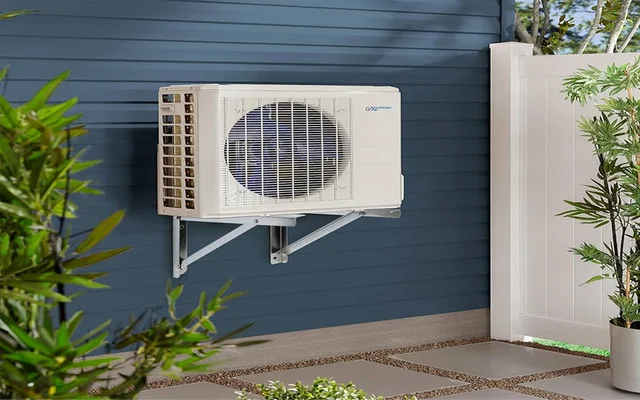
Here's the thing about heat pumps, and it's a crucial distinction: they don't generate heat in the same way a traditional propane furnace does by burning fuel. Instead, they perform a bit of thermal magic by moving existing heat from one place to another. In heating mode, your parking AC's heat pump uses a refrigeration cycle in reverse. It extracts latent heat from the outside air—yes, even when it feels frigid to us—and transfers it inside your RV. Think of it like a refrigerator in reverse; instead of pumping heat out of the box to keep it cool, it pumps heat from the outdoors into your living space. It's a remarkably efficient process, especially when you compare it to old-school electric resistance heaters, which are notorious power hogs that create heat directly by forcing electricity through a resistive element. I've personally witnessed these systems pull usable warmth from what felt like freezing air, keeping a 30-foot Class C toasty warm with a surprisingly minimal draw on the battery bank. This efficiency, often measured by a Coefficient of Performance or COP, is a massive win for RVers, particularly for those who love to boondock or rely heavily on their battery and solar systems. You'll find that truly understanding how parking AC works, especially the elegance of the heat pump cycle, really helps you appreciate its immense value in colder climates. It's a fundamental shift in thinking from 'AC for cooling' to a complete, year-round climate control solution.
Now, when we talk about serious winter camping, battery sizing for your parking AC becomes absolutely critical. You can have the most efficient heat pump on the market, but if your battery bank can't sustain it through a long, cold night, you're going to wake up to a dead battery and a cabin that feels like an icebox. In my experience, this is the single biggest mistake RVers make; they underestimate their power needs, especially when running heating appliances. A heat pump, while efficient, still requires a steady supply of amperage to run its compressor and fans. This is where a deep dive into a LiFePO4 battery parking AC setup really pays off. These lithium iron phosphate batteries are a world apart from traditional lead-acid. They offer a longer cycle life, can be discharged much more deeply without damage, and, most importantly, maintain a more consistent voltage output under load. I've seen setups with a solid 400Ah to 600Ah of LiFePO4 batteries that can easily handle overnight heating, even in moderately cold conditions, especially when paired with a decent array of solar panels for RV AC charging during the precious daylight hours. It's a significant investment, sure, but the peace of mind, the silent operation, and the sheer comfort are priceless. You're not just buying batteries; you're buying autonomy and the freedom to camp comfortably wherever you want, whenever you want.
One common misconception I often have to debunk is that heat pumps are useless when it gets 'really cold.' And honestly, there's a kernel of truth to that, but it's far from the whole story. The efficiency of any air-source heat pump does decrease as the ambient temperature drops, simply because there's less heat in the air to extract. However, modern, high-quality units are designed to operate effectively well below freezing. I've had clients comfortably warm in their well-insulated fifth-wheels with outside temperatures hovering around 20°F (-6°C), using nothing but their parking AC's heat pump. Below that temperature, you might start to see the unit's output diminish, or it might initiate a defrost cycle more frequently to keep the outdoor coils from icing over. This is where knowing your parking AC's BTU guide becomes essential. A unit with a higher BTU rating for heating—say, a 12,000 BTU unit versus a 7,000 BTU model—will generally perform better and maintain its heating capacity at lower temperatures. It's all about matching the unit's capacity to your expected camping conditions and, just as importantly, the insulation value of your RV. A well-insulated, four-season rig will hold that heat much better, making the heat pump's job significantly easier. It's a system, and every component matters.
The numbers back this up. A recent industry report noted that the global heat pump market is projected to reach a staggering $203 billion by 2034, growing at a 9.78% CAGR, with mobile applications in RVs and trucks representing one of the fastest-growing segments. This isn't just some niche product for a handful of enthusiasts anymore; it's a rapidly expanding mainstream technology. The demand for efficient, reliable, and environmentally friendlier heating and cooling solutions in mobile environments is skyrocketing, and manufacturers are responding. I've seen this trend firsthand at industry trade shows over the last few years. The focus has shifted dramatically, with more and more companies integrating advanced, cold-climate heat pump technology into their flagship parking AC units. It's a clear indicator that the industry recognizes the immense value and versatility these systems bring to the table, moving beyond simple cooling to provide true, year-round climate control. This explosive growth is fantastic news for us, the end-users. It fuels more innovation, drives down costs, improves efficiency, and ultimately, leads to more comfortable and capable RVs and a better ownership experience. We are seeing the future of RV comfort unfold right now.
When you're out there in the winter, especially if you're boondocking miles from the nearest electrical hookup, every single watt of power counts. That's why the COP (Coefficient of Performance) efficiency of your parking AC's heat pump is a specification you should definitely pay close attention to. In simple terms, a higher COP means you get more heat output for every watt of electricity you put in. I've seen some of the latest 24V DC-powered units boast COPs of 3.0 or even higher in moderate conditions. This means for every 1 watt of electrical energy consumed, you're getting 3 watts of heating energy transferred into your RV. Now, compare that to a standard electric space heater, which is a purely resistive load and always has a COP of 1.0 (1 watt in, 1 watt of heat out). The difference is staggering. This superior efficiency directly translates to significantly longer run times on your batteries and less reliance on your generator or shore power. It's a crucial factor in extending your winter camping adventures from a weekend to a week or more, all without the constant anxiety of managing your power consumption. Understanding these technical specs, like the COP, is a vital part of making an informed decision when you're navigating a comprehensive parking AC buying guide for 2025 and beyond.
Installation is another critical aspect that, frankly, gets overlooked far too often when people consider winter use. A proper RV parking AC installation guide isn't just about cutting a hole and sealing against rain; it's about ensuring optimal performance and efficiency in all weather conditions. For a heat pump to work effectively, you must ensure there's good, unobstructed airflow around the outdoor coil. I've seen installations where the unit was crammed into a tight space, which severely restricted airflow and crippled its heating performance. Furthermore, properly insulating the unit and sealing all air gaps between it and the RV's interior is paramount. I once helped a friend troubleshoot his system, and we found a small, unsealed gap that was creating a cold draft and causing a 20% loss in heating efficiency. Also, pay close attention to the parking AC wiring guide. Using undersized wiring is a common and dangerous mistake. It can lead to a significant voltage drop, which not only reduces the efficiency and lifespan of your unit but can also be a fire hazard, especially when the system is working hard in cold temperatures. It's all interconnected, and cutting corners during installation will inevitably lead to headaches and poor performance down the road.
Let's be honest, nobody wants to be outside, fumbling with tools and a headlamp, trying to troubleshoot their heating system when it's 25 degrees and windy. That's why preventative maintenance and understanding a few common issues are so important for winter RVing. In my experience, many of the calls I get about heat pumps 'not working' in cold weather are related to ice buildup on the outdoor coil. Modern units have automatic defrost cycles to handle this, but they can sometimes struggle in particularly humid and cold conditions. Simply keeping the outdoor unit's coil clean and free of snow, ice, and debris can go a long way in preventing this. Also, before you head out on a winter trip, it's wise to do a quick systems check. This means running the heat pump for a bit, checking your refrigerant levels (if you have gauges), and inspecting all electrical connections for tightness and corrosion, as outlined in any good parking AC troubleshooting guide. It's all about being proactive rather than reactive, especially when you're relying on that single unit for warmth in a remote location. A little bit of foresight and a 15-minute check-up can save you a whole lot of discomfort and a potentially trip-ending failure.
Another huge benefit that often gets overshadowed by the technical talk of COPs and BTUs is the very real potential for fuel savings. While a heat pump does consume electricity, it can drastically reduce your reliance on propane for heating, which, as any full-time or frequent winter RVer knows, can be a major operational cost. I've run the numbers for many clients, and the math is compelling. The initial investment in a robust LiFePO4 battery bank and a decent solar array, combined with the long-term efficiency of a heat pump, often pays for itself over a few seasons in reduced propane consumption alone. It's a critical part of the larger parking AC ROI and total cost of ownership calculation. You're not just buying a piece of hardware; you're investing in long-term operational savings and energy independence. Plus, there's the undeniable convenience factor. Not having to constantly worry about finding a place to refill your propane tanks, especially when you're exploring off-the-beaten-path locations, is a luxury that's hard to put a price on. It simplifies your logistics and lets you focus on enjoying the trip.
Finally, let's talk about the overall improvement in quality of life, specifically comfort and quiet operation. Unlike a noisy propane furnace that can cycle on and off with a disruptive 'whoosh' and roar, or a generator that shatters the peace of a quiet campground, a modern parking AC's heat pump operates at a much lower, more consistent sound level. I've heard countless truck drivers and RVers praise the low parking AC noise levels of their new units, emphasizing how it allows for a much more restful and uninterrupted night's sleep. This is particularly important for improving truck driver sleep comfort, where quality rest is not just a luxury but a critical component of road safety. With a heat pump, you're getting consistent, even heat distributed throughout your RV, without the excessively dry, stuffy air that can sometimes be a byproduct of forced-air propane furnaces. It's a subtle but significant difference that truly enhances the entire winter camping experience. You get to enjoy the serene, stark beauty of a winter landscape without sacrificing the quiet, comfortable ambiance of home. And that, to me, is what modern RVing is all about: making your mobile home as comfortable and self-sufficient as possible, no matter the season.
So, if you've been eyeing those beautiful, snowy winter camping destinations but have been hesitant because of the heating challenge, it's time to seriously reconsider the heat pump capabilities of a modern parking AC. It has evolved into a versatile, highly efficient, and increasingly popular solution for staying warm and comfortable in your home-on-wheels. The technology has come a very long way in just the last five years, and with the right supporting setup – think a robust bank of LiFePO4 batteries and perhaps some solar panels on the roof – you'll be absolutely amazed at how capable these units are. Don't let the 'AC' in the name fool you; these are true, four-season climate control systems ready to tackle the chill. I've seen them perform admirably in the field, and honestly, once you experience that consistent, quiet, efficient warmth on a cold night, you'll wonder how you ever camped in winter without one. It's a smart, forward-thinking move for any RVer looking to extend their season and embrace the colder months with confidence and supreme comfort. It truly unlocks the full potential of your RV.
Remember, while a heat pump is a fantastic primary heat source, it's always wise to have a small, reliable backup, just as you would with any critical RV system. This could be a small catalytic propane heater for emergencies or simply ensuring your propane furnace is in good working order. But for the vast majority of winter camping scenarios you're likely to encounter, your parking AC's heat pump is more than up to the task. It's a solid investment in your comfort, your wallet, and your ability to extend your RV adventures into all four seasons. The freedom to chase the solitude of winter, knowing you have a warm, quiet, and reliable sanctuary to return to, is what it's all about. Happy camping, and stay warm out there!
Practical Benefits and Real-World Applications
The practical advantages of integrating a parking air conditioner into your vehicle extend far beyond simple comfort. For the use case described in this article—using your parking ac's heat pump for winter rv camping—the benefits are both immediate and long-term. Immediate benefits include maintaining a safe, comfortable temperature in the vehicle cabin without running the engine, eliminating exhaust fumes, reducing noise pollution, and cutting fuel costs dramatically. A typical diesel engine consumes 0.8-1.5 liters per hour at idle solely for air conditioning; a battery-powered parking AC eliminates this entirely.
Long-term benefits include reduced engine wear (idling is particularly harsh on diesel engines, causing carbon buildup and accelerated oil degradation), lower emissions footprint, compliance with increasing anti-idling regulations, and improved resale value of vehicles equipped with modern parking AC systems. For commercial operators, driver satisfaction and retention improve measurably when comfortable rest conditions are provided—industry surveys indicate that quality sleeper cab cooling ranks among the top three factors in driver job satisfaction. From a safety perspective, well-rested drivers in climate-controlled cabins demonstrate significantly better reaction times and decision-making ability, directly contributing to road safety. The investment in a quality parking AC system like CoolDrivePro's range typically pays for itself within 6-12 months through fuel savings alone, making it one of the highest-ROI upgrades available for any vehicle that requires extended stationary periods.
Selecting the Right System for Your Needs
Choosing the optimal parking AC system requires balancing several factors specific to your situation. Start with the physical constraints: measure the available mounting space on your vehicle's roof, back wall, or undercarriage. Rooftop units are the most popular choice for trucks and RVs, offering excellent performance without consuming interior space, but they increase overall vehicle height by 200-300mm. If clearance is a concern, consider a split-system or back-wall mounted unit instead.
Next, determine your cooling load. As a general guide: standard truck cabs (2-3 m³ interior volume) need 5,000-8,000 BTU; sleeper cabs (4-6 m³) need 8,000-12,000 BTU; and RVs/larger spaces (8-15 m³) need 12,000-15,000+ BTU. Insulation quality significantly affects these numbers—a well-insulated vehicle may need 30% less cooling capacity than a poorly insulated one.
Power system planning is equally important. Calculate your required runtime (typically 8-10 hours for overnight use), determine the unit's average power consumption (check manufacturer specs at realistic ambient temperatures, not just ideal conditions), and size your battery bank accordingly. Add a 20% safety margin. For example: a unit drawing 450W average on a 24V system needs approximately 18.75A continuous. Over 10 hours, that requires 187.5Ah of usable capacity, or approximately 210Ah of rated capacity for LiFePO4 batteries (at 90% DoD). If budget allows, adding 200-400W of solar panels provides valuable supplemental charging, especially for vehicles parked during daylight hours. CoolDrivePro offers detailed sizing calculators and technical support to help you specify the right system for your exact application.
Installation, Maintenance, and Troubleshooting Guide
A successful parking AC installation begins with thorough preparation. Gather all necessary tools and materials before starting: mounting hardware, sealant (Sikaflex or equivalent polyurethane for roof penetrations), appropriately rated electrical cable, fuse holder and fuse, cable ties, and the manufacturer's installation manual. Plan the cable routing from the battery to the AC unit, keeping cables away from hot exhaust components and moving parts, and using grommets where cables pass through metal panels.
For maintenance, establish a regular schedule: clean or replace cabin air filters every 2-4 weeks (more frequently in dusty environments), clean condenser coils monthly with compressed air or a soft brush, verify condensate drain flow monthly, check electrical connections quarterly for corrosion or looseness, and arrange annual professional service including refrigerant pressure check and compressor current measurement.
Common troubleshooting scenarios and solutions:
Unit does not start: Check battery voltage (must be above low-voltage cutoff, typically 22V for 24V systems or 11V for 12V systems). Check fuse. Verify control panel settings. Reset the unit by disconnecting power for 30 seconds.
Reduced cooling performance: Clean air filters and condenser coils first—this resolves 70% of cases. Check for airflow obstructions. Verify that all vents are open. If problem persists, check refrigerant charge (requires professional equipment).
Unusual noise: Rattling usually indicates loose mounting hardware—tighten all bolts to spec. Buzzing may indicate a failing fan motor bearing. Clicking at startup is normal (compressor engaging) but continuous clicking suggests a control board issue.
Water leaking inside: The condensate drain is blocked—clear it with compressed air or a thin wire. Check that the drain hose is not kinked or crushed. Ensure the unit is mounted level (slight tilt toward the drain side is acceptable).
Frequently Asked Questions
Q: How loud is a parking air conditioner?
A: Indoor noise levels for quality parking AC units range from 45-58 dB(A), roughly equivalent to a quiet office or gentle rainfall. CoolDrivePro units incorporate advanced sound-dampening compressor mounts and optimized fan blade designs to minimize noise, ensuring comfortable sleep conditions.
Q: Will a parking AC drain my starting batteries?
A: Properly installed systems use a dedicated auxiliary battery bank separate from the starting batteries, or include a low-voltage disconnect that protects starting batteries from being drained below the threshold needed to start the engine. Never connect a parking AC directly to starting batteries without proper isolation.
Q: Can parking ACs also provide heating?
A: Many modern parking AC units include a heat pump function that reverses the refrigeration cycle to provide heating. This is effective in mild cold conditions (down to approximately -5°C/23°F outside temperature). For extreme cold, supplemental electric or diesel heating may be needed. CoolDrivePro's heating-cooling models offer both modes in a single unit.
Q: What is the lifespan of a parking AC unit?
A: With proper installation and regular maintenance, a quality parking AC unit should last 5-10 years or approximately 10,000-20,000 operating hours. The compressor is typically the longest-lasting component, while fan motors and control boards may need replacement after 5-7 years depending on operating conditions and dust exposure.
Q: Is it worth investing in a more expensive unit?
A: Generally yes. Premium units feature more efficient compressors (lower power consumption = longer battery runtime), better build quality (longer lifespan), lower noise levels, and more robust electronics. Over a 5-year lifespan, the fuel savings and reduced maintenance costs of a premium unit typically far exceed the higher purchase price. CoolDrivePro is engineered for professional and commercial use, delivering exceptional value through reliability and efficiency.
Ready to Experience No-Idle Cooling?
Explore our 12V/24V parking air conditioners and buying guides so your shortlist matches vehicle type, roof layout, and overnight runtime goals.