Staying Cool at RV Rallies and Festivals: Parking AC Tips for Events
[2026] Master RV rallies with parking AC! Get expert tips on supplemental cooling, battery sizing (40% efficiency boost), and installation for a comfortable event experience.
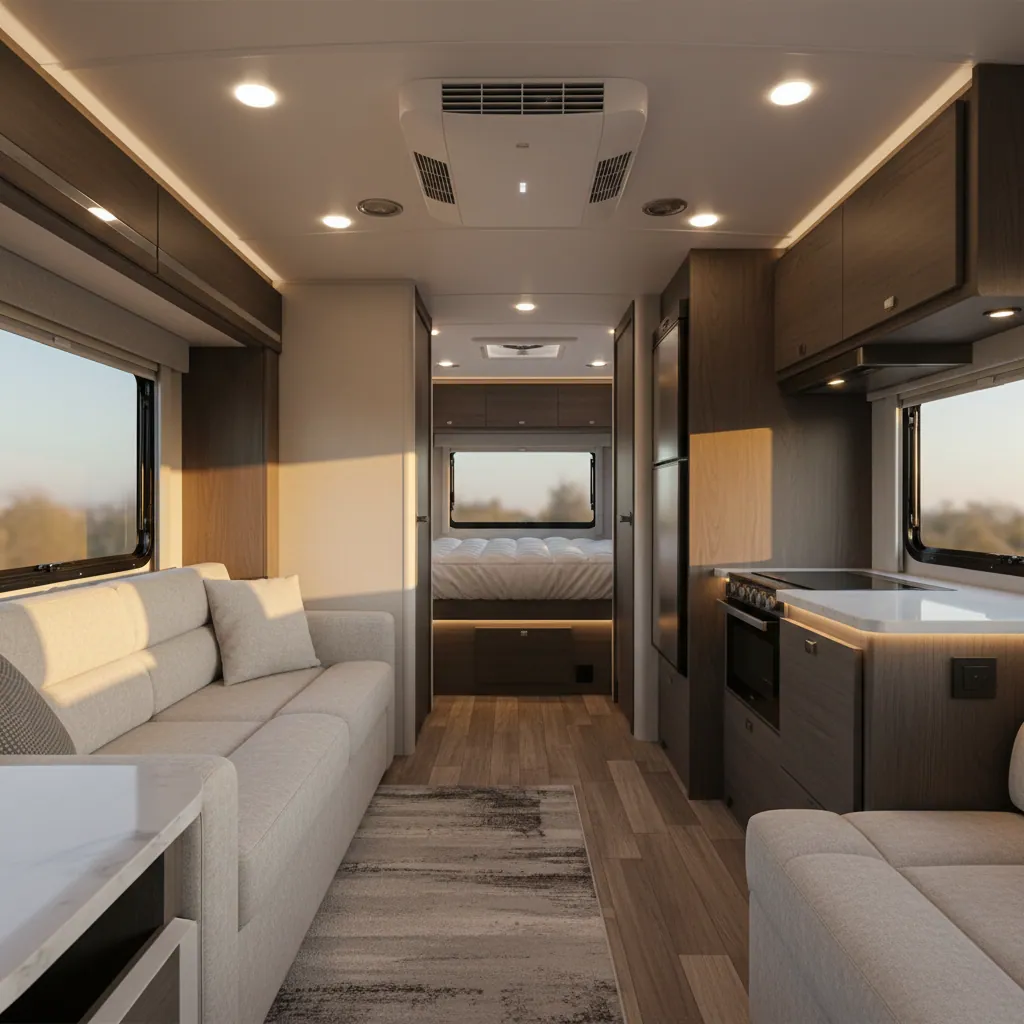
Let's be honest, folks. If you've spent any time at an RV rally or a big outdoor festival, especially in the warmer months, you know the struggle is real. That midday sun beating down, the generator noise from your neighbor, and your RV's built-in AC just can't keep up. I've seen it countless times: people baking inside their rigs, trying to escape the heat, or worse, leaving early because the discomfort became too much. It’s a shame, really, when you’ve traveled all that way to enjoy the camaraderie and the event itself. That’s where a good parking AC unit comes into its own, transforming a sweltering box on wheels into a comfortable oasis. It’s not just about luxury; it’s about making those long days and nights bearable, ensuring you can actually relax and enjoy the experience you paid for. Forget those sleepless nights tossing and turning; with the right setup, you can wake up refreshed, ready to tackle another day of fun, without constantly worrying about your power draw or disturbing the peace. The reality is, standard RV ACs are often designed for intermittent use, not for sustained cooling in extreme conditions, and that’s a critical distinction when you’re parked up for days on end.
In my experience, the biggest mistake people make is thinking their factory-installed RV air conditioner is enough for every situation. It’s not. Those units are great for cruising down the highway or a quick cool-down, but when you’re stationary, especially in a crowded rally environment where airflow is limited and heat radiates from every direction, they struggle. The compressor runs constantly, guzzling fuel or draining your batteries at an alarming rate, and you’re still sweating. Here’s the thing: supplemental cooling isn't just a nice-to-have anymore; it's becoming a necessity. A 2026 report from the Good Sam Club noted a significant trend, stating that attendance at RV rallies and campground events grew 22% in 2026, and what’s more telling is that summer events in the Southwest reported a staggering 89% of attendees now bring some form of supplemental cooling beyond their standard RV AC. That’s not a coincidence; that’s a direct response to the heat challenge. People are actively seeking solutions, and for good reason. Nobody wants their vacation ruined by oppressive heat, especially when there are effective ways to combat it. It’s about being prepared and understanding the limitations of your existing equipment.
So, what’s the answer? For many, it’s a dedicated parking AC unit. These aren't just for big rigs anymore; they’ve evolved, becoming more compact, efficient, and suitable for a wide range of RVs. I’ve seen some incredible setups over the years, from rooftop models that blend seamlessly with the RV’s aesthetic to portable units that offer surprising cooling power. The key advantage here is their design for stationary operation, often with lower power consumption and quieter performance compared to a roaring generator or an overworked engine-driven AC. When you’re looking at how parking AC works, you’ll find they’re engineered for sustained, efficient cooling, often drawing power directly from your auxiliary battery bank. This means you can keep your interior comfortable without the constant drone of a generator, which is a huge plus for both you and your neighbors. It’s about smart energy management and maximizing your comfort without compromising the experience for others around you. Plus, the advancements in compressor technology mean these units can deliver impressive BTUs without the massive energy footprint of older systems, making them a viable option for extended off-grid stays.
Now, let’s talk specifics, because not all parking ACs are created equal, and choosing the right one is crucial. You need to consider the size of your RV, the climate you’ll be in, and your power setup. For instance, a small teardrop trailer in Arizona will have vastly different needs than a Class A motorhome in Oregon. A good starting point is understanding the BTU requirements. I generally recommend aiming for at least 9,000 to 12,000 BTUs for most medium-sized RVs if you’re serious about staying cool in hot climates. Anything less, and you might find yourself underwhelmed when the mercury climbs above 90 degrees Fahrenheit. It’s not just about the cooling capacity, though; it’s also about efficiency. Look for units with a high COP (Coefficient of Performance) if you want to maximize your battery life. A unit that can deliver 10,000 BTUs while only drawing 40 amps at 12V is going to be a far better investment than one that pulls 60 amps for the same cooling power. This technical detail is often overlooked, but it’s absolutely critical for sustained comfort, especially when you’re relying on battery power. Don't just look at the upfront cost; consider the long-term operational efficiency.
Powering these units is another big consideration, and honestly, this is where many RVers get tripped up. Your standard RV battery bank might not cut it, especially if you’re running the parking AC for extended periods. This brings us to the importance of proper battery sizing. I’ve seen too many people install a fantastic parking AC only to find their batteries are dead after a few hours. The solution often lies in upgrading to a robust LiFePO4 battery system. These lithium iron phosphate batteries offer significantly more usable capacity and a much longer cycle life compared to traditional lead-acid batteries, making them ideal for high-draw appliances like air conditioners. You’ll want to calculate your total daily amp-hour usage, factoring in your parking AC and all other appliances, and then size your battery bank accordingly, adding a buffer for cloudy days or unexpected usage. It’s a bit of an upfront investment, but the peace of mind and extended run-time are absolutely worth it. Don't skimp on the battery bank; it's the heart of your off-grid cooling system.
Beyond just the battery bank, you might also want to consider how you’re recharging those batteries. Solar panels for RV AC are becoming increasingly popular, and for good reason. A well-designed solar array can significantly extend your off-grid capabilities, allowing you to run your parking AC for longer without needing to fire up a generator or plug into shore power. I’ve helped countless RVers design systems where a few hundred watts of solar panels can offset a good portion of their AC’s power draw during daylight hours. It’s not always enough to run the AC continuously, but it certainly helps keep the batteries topped up, especially when combined with a robust LiFePO4 bank. Think of it as a symbiotic relationship: the batteries provide the immediate power, and the solar panels continuously replenish them. This setup is particularly beneficial at rallies where generator use might be restricted or frowned upon, allowing you to maintain a comfortable environment quietly and sustainably. It’s a game-changer for true independence.
Installation is another area where I’ve seen folks make avoidable mistakes. While some parking AC units are designed for DIY installation, others, especially rooftop or integrated models, really benefit from professional installation. A proper RV parking AC installation guide is essential, but even with that, understanding the nuances of wiring and sealing is critical. You’re dealing with electrical systems and creating openings in your RV’s roof or walls, so precision is key. A shoddy installation can lead to leaks, electrical issues, or inefficient operation. I always tell people: if you’re not 100% confident in your electrical and carpentry skills, get help. It’s better to pay a little extra upfront for a professional job than to deal with water damage or electrical fires down the line. Plus, ensuring proper wiring, especially for a high-draw appliance like an AC, is paramount for safety and performance. You need to make sure your wire gauges are appropriate for the amperage and run length to prevent voltage drop and overheating.
One aspect that often gets overlooked until it’s too late is noise levels. Nobody wants to be the person with the loudest AC unit at the rally, disturbing everyone around them. While parking ACs are generally quieter than generators, there’s still a range of noise outputs. When you’re researching units, pay attention to the decibel ratings. Some manufacturers have made significant strides in reducing operational noise, employing advanced fan designs and sound-dampening materials. This is particularly important if you plan on running the unit overnight or in close quarters with other RVers. A quiet unit not only enhances your own comfort but also makes you a better neighbor. It’s a small detail that can make a big difference in the overall rally experience. After all, part of the joy of these events is the peaceful enjoyment of the outdoors, and a noisy AC can quickly detract from that. Prioritizing a low-noise unit is a courtesy that will be appreciated by everyone.
And what about those moments when things don't go as planned? Parking AC troubleshooting is something every RVer should have a basic understanding of. Most issues are minor: a clogged filter, a loose connection, or a tripped breaker. I’ve seen people panic over a simple fix that took five minutes. Knowing how to check your fuses, clean your coils, and ensure proper airflow can save you a lot of headache and potentially a costly service call. It’s not about becoming an expert technician, but rather understanding the common culprits behind a malfunctioning unit. Often, the solution is much simpler than you think, and a quick check of the basics can get you back to cool comfort in no time. Always keep your owner’s manual handy, as it usually contains a troubleshooting section that can guide you through the most common problems. A little preventative maintenance goes a long way in avoiding these issues altogether.
Finally, let’s touch on the bigger picture. Investing in a parking AC isn't just about surviving a hot rally; it’s about enhancing your entire RV lifestyle. It opens up new possibilities for travel, allowing you to comfortably explore warmer climates or extend your camping season. It’s about the freedom to park anywhere, anytime, and still enjoy a comfortable interior, whether you’re boondocking in the desert or parked at a bustling festival. This kind of comfort can significantly impact your overall enjoyment and even your health, especially for those sensitive to heat. It’s a long-term investment in your well-being and your ability to fully embrace the RV experience without compromise. The ROI on a good parking AC isn't just measured in dollars; it's measured in memories made and discomfort avoided. It’s about making your RV truly feel like a home away from home, no matter where the road takes you. And honestly, that’s priceless when you’re out there living the dream.
When you consider the total cost of ownership, a parking AC often makes more sense than constantly running your engine or a noisy generator. While the initial outlay for a quality unit and a robust battery system might seem steep, the long-term savings in fuel, maintenance, and peace of mind quickly add up. Plus, with the latest models boasting 40% greater energy efficiency than just five years ago, the math is increasingly compelling. It’s an investment in comfort, convenience, and the freedom to enjoy your RV adventures to the fullest, regardless of the weather outside. That’s the kind of upgrade that pays dividends every time you hit the road.