Battling Lagos Traffic Heat: Parking Air Conditioners for Nigerian Urban Transport
Urban transport cooling solutions for Lagos congestion. Essential parking AC for delivery trucks and commercial vehicles navigating Nigeria's busiest city heat.
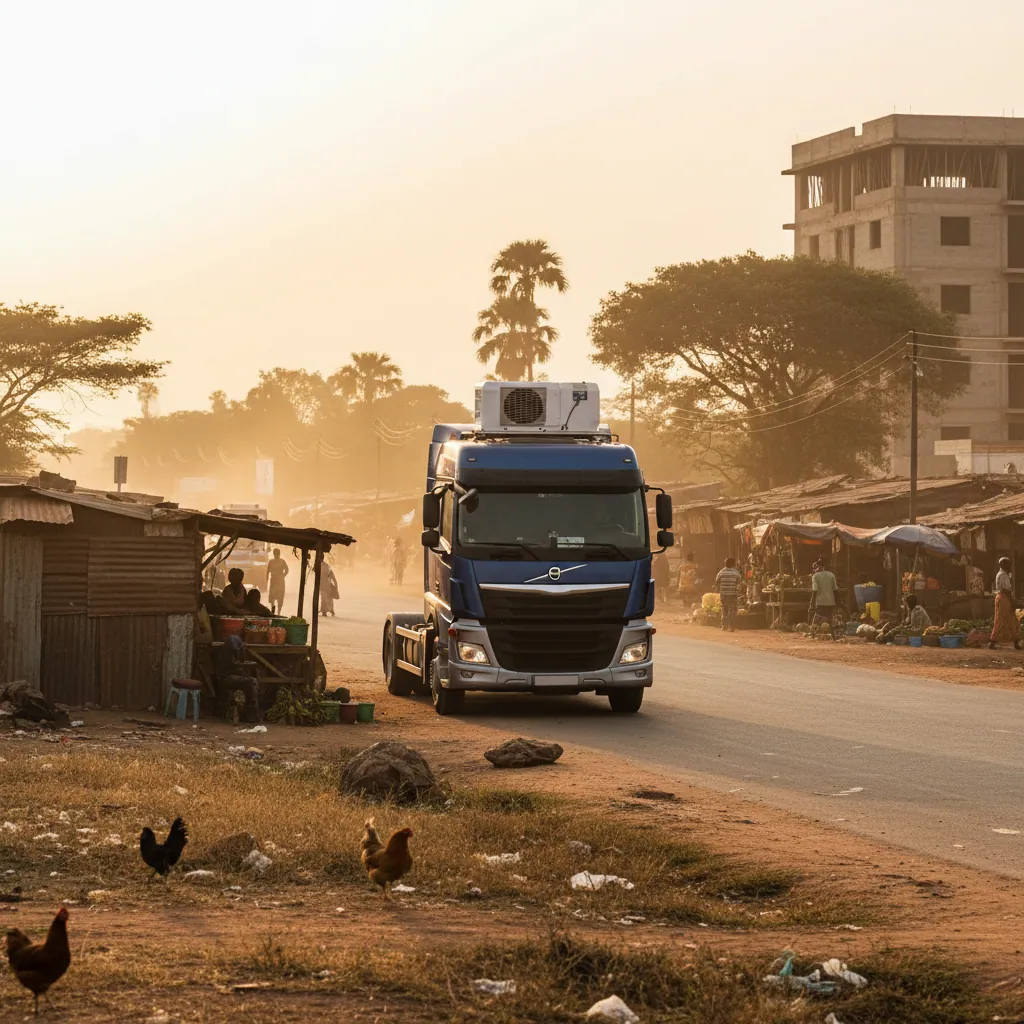
Lagos, Nigeria's sprawling commercial capital and Africa's largest city, is a place of extremes. The city generates over 10% of Nigeria's GDP and serves as the primary gateway for imports entering Africa's most populous nation. But it is also a city where infrastructure struggles to keep pace with growth, where traffic congestion is legendary, and where the combination of tropical heat, humidity, and exhaust fumes from millions of vehicles creates an environment that tests the endurance of drivers and equipment alike. For the thousands of commercial vehicle operators who navigate Lagos's congested streets daily—delivering goods to the bustling markets of Idumota, transporting containers from Apapa Port, or distributing products to the city's sprawling suburbs—the challenge isn't just the driving but the waiting. Hours spent idling in traffic or parked in the scorching sun while making deliveries turn vehicle cabins into saunas. Parking air conditioning has emerged as an essential technology for making urban commercial transport in Lagos survivable and sustainable.
The scale of Lagos's traffic challenges is difficult to comprehend without experiencing them. The city of over 20 million people has just a few major arteries connecting its various districts, and these roads are often overwhelmed by the volume of vehicles attempting to use them simultaneously. The Lagos-Ibadan Expressway, the Third Mainland Bridge, and the Apapa-Oshodi Expressway are notorious bottlenecks where drivers can spend hours moving just a few kilometers. During these periods of gridlock, vehicles are often stationary or moving at walking pace, with engines running but generating no cooling airflow through the cabin. The tropical sun beats down on metal roofs, and the heat is compounded by the proximity of other vehicles radiating their own heat. Temperatures inside vehicle cabins during Lagos traffic jams regularly exceed 40°C, creating conditions where drivers are at risk of heat stress even while sitting still.
The commercial importance of Lagos makes these driving conditions economically significant for all of Nigeria. Apapa Port, despite its infrastructure challenges, remains the country's primary maritime gateway, handling the majority of Nigeria's imports and exports. The thousands of trucks that move containers between the port and destinations across Lagos and beyond represent a critical economic artery. Similarly, the manufacturing and distribution centers scattered throughout Lagos—from Ikeja's industrial zone to the newer developments on Lekki and the mainland—depend on reliable commercial transport to move goods. When drivers cannot work effectively due to heat, or when they become ill from heat stress, the economic impacts extend far beyond the individual driver to affect businesses, consumers, and the broader economy. Addressing the heat challenge through parking air conditioning is thus an economic imperative as well as a matter of driver welfare.
The specific climate conditions of Lagos make cooling particularly challenging. The city's coastal location means high humidity year-round, typically 80-90%, which dramatically reduces the effectiveness of the body's natural cooling mechanisms. In dry heat, sweat evaporates and cools the skin; in Lagos's humidity, sweat simply runs off without providing cooling relief. This means that drivers can become dangerously overheated without feeling the cooling relief that would occur in drier conditions. The heat index—a measure that combines temperature and humidity to indicate how hot it actually feels—regularly reaches dangerous levels in Lagos. Combined with the heat radiating from engines, road surfaces, and other vehicles, these conditions create a perfect storm for heat stress among commercial drivers.
The economics of urban delivery in Lagos are tight, with thin margins and intense competition. Every additional cost must be justified by clear benefits, and parking air conditioning passes this test for several reasons. First, the fuel savings from not idling to run cabin AC are significant; a delivery truck making multiple stops across Lagos might otherwise spend hours idling daily just to maintain cabin comfort. Second, the health and productivity benefits—drivers who are not heat-stressed make fewer errors, have fewer accidents, and can work longer and more effectively. Third, the competitive advantage of being able to offer reliable service even in extreme heat conditions. For Lagos delivery operations, parking air conditioning has moved from being a luxury to being a competitive necessity.
The CoolDrivePro VS02 PRO has proven well-suited to Lagos's demanding conditions. The unit's 9000 BTU cooling capacity can bring cabin temperatures down to comfortable levels even when outside temperatures exceed 35°C with high humidity—a common occurrence in Lagos. The system's efficient power consumption means it can operate for extended periods on a standard truck battery without requiring engine charging, which is particularly important for delivery vehicles that make frequent stops and need cooling throughout the day. The unit's robust construction withstands the vibration and occasional rough roads found in parts of Lagos, while its sealed design handles the humidity that pervades the coastal environment.
Installation considerations for parking air conditioning in Lagos reflect the specific challenges of urban Nigerian vehicles. Many commercial vehicles in Lagos have been in service for extended periods and may have electrical systems that have been modified or repaired multiple times. Professional installation is essential to ensure that the parking AC integrates safely with these systems without creating electrical hazards or overloading circuits. Installers must also consider security, as equipment mounted on vehicles in Lagos can be vulnerable to theft. Proper mounting and security measures are essential to protect the investment and ensure that the system remains operational.
Health and safety considerations are particularly acute in the Lagos context. Heat stress doesn't just make drivers uncomfortable—it impairs judgment, slows reaction times, and can lead to serious medical emergencies. In the stop-and-go traffic conditions of Lagos, where sudden braking and quick decisions are often necessary to avoid collisions, driver alertness is critical. Studies have shown that heat stress can impair cognitive function equivalent to blood alcohol levels above legal driving limits. For commercial vehicle operators making frequent deliveries throughout Lagos, maintaining mental acuity through proper cooling is a safety issue that affects not just the driver but everyone sharing the road.
The future of urban logistics in Lagos will see continued growth as the city expands and as e-commerce drives increasing demand for delivery services. The infrastructure challenges that create traffic congestion are being addressed through major investments in road construction and public transport, but progress is gradual, and traffic will remain a defining feature of Lagos life for the foreseeable future. In this environment, technologies that make the waiting time more bearable and productive—like parking air conditioning—will become increasingly important. Lagos logistics operators who invest in driver comfort now are positioning themselves for success in this evolving market, while also contributing to improved road safety and driver welfare.

For the individual commercial vehicle operators who navigate Lagos's challenging streets daily, parking air conditioning represents a fundamental improvement in working conditions. The ability to step into a cool cabin after making a delivery in the sun, to rest comfortably during unavoidable delays in traffic, and to finish a shift without the exhaustion that comes from heat exposure transforms the job from an endurance test to a manageable occupation. These drivers are the unsung heroes of Lagos's economy, keeping the city supplied with everything from food to fuel to consumer goods. Investing in their comfort and safety through technologies like parking air conditioning is both good business and a recognition of their essential role in the life of one of the world's most dynamic and challenging cities.
Why Parking Air Conditioners Are Essential for Nigeria Transport
The transportation sector in Nigeria faces unique challenges that make parking air conditioners not just a luxury but a necessity. Extreme temperatures regularly exceed 40°C (104°F) during peak seasons, creating dangerous conditions for drivers who must rest in their vehicles between shifts. Unlike idle-running engine AC systems, parking air conditioners operate independently of the engine, reducing fuel consumption by 0.8 to 1.5 liters per hour. For fleet operators in Nigeria, this translates to significant annual savings across their entire fleet. Furthermore, anti-idling regulations are becoming more common in African urban centers, making standalone parking AC systems increasingly important for regulatory compliance.
The health implications cannot be overstated. Heat stress among commercial vehicle drivers in Nigeria contributes to fatigue-related accidents, reduced productivity, and long-term health issues including cardiovascular strain and dehydration. Studies show that cabin temperatures in parked trucks can exceed 60°C (140°F) without cooling, far beyond safe thresholds. A quality parking AC system maintains cabin temperatures between 22-26°C (72-79°F) regardless of outside conditions, ensuring drivers remain alert and healthy. The initial investment in parking air conditioning pays for itself through reduced medical costs, fewer accidents, and improved driver retention—a critical factor in Nigeria's competitive transport industry.
Choosing the Right Parking AC System for Nigeria Climate Conditions
Selecting the optimal parking air conditioner for operations in Nigeria requires careful consideration of several factors unique to the regional climate and operating environment. The first consideration is cooling capacity, measured in BTUs (British Thermal Units). For standard truck cabins in Nigeria's hot climate, a minimum of 7,000 BTU is recommended, while larger sleeper cabs or RVs may require 12,000-15,000 BTU units. The CoolDrivePro product range offers solutions across this entire spectrum, from compact rooftop units to powerful split-system configurations.
Power system compatibility is another crucial factor. Most commercial trucks in Nigeria operate on 24V electrical systems, though many lighter vehicles use 12V. Matching the parking AC voltage to the vehicle's electrical system eliminates the need for voltage converters and maximizes energy efficiency. Battery capacity must support 8-12 hours of continuous operation for overnight rest periods. LiFePO4 (Lithium Iron Phosphate) batteries are increasingly preferred over traditional lead-acid batteries due to their superior cycle life (2,000-5,000 cycles vs. 300-500), lighter weight, and ability to discharge to 80-90% depth without damage. For Nigeria operations, dust resistance and robust build quality are essential—look for IP ratings of IP54 or higher, reinforced condenser fins, and easily cleanable air filters. The harsh dust conditions on many African roads can quickly clog standard air filters, reducing cooling performance by up to 30% if not regularly maintained.
Installation Best Practices for Parking AC in Nigeria
Proper installation is critical for the performance and longevity of parking air conditioners in Nigeria's demanding environments. The most common installation type for trucks is rooftop mounting, which provides excellent airflow and keeps the cabin interior clear. Before installation, inspect the roof structure for adequate load-bearing capacity—most parking AC units weigh between 25-45 kg, and the mounting surface must support this weight plus vibration forces during transit. All roof penetrations must be sealed with high-quality marine-grade sealant to prevent water ingress, which is especially important during Nigeria's rainy seasons.
Electrical wiring deserves particular attention. Use appropriately sized cables based on the current draw of your specific unit—typically 8 AWG (8 mm²) for 24V systems and 4 AWG (25 mm²) for 12V systems. All connections should be crimped (not just twisted), heat-shrink sealed, and routed away from heat sources and moving parts. Install an appropriately rated fuse or circuit breaker within 30 cm of the battery positive terminal. For vehicles operating on unpaved roads in Nigeria, secure all wiring with UV-resistant cable ties and protective conduit to prevent chafing from vibration. The condensate drain must be positioned to discharge away from the vehicle body and any electrical components. In dusty environments, consider installing a pre-filter screen over the condenser intake to reduce the frequency of deep cleaning required.
Maintenance Schedule for Parking AC Units in Nigeria
A proactive maintenance regimen is essential for maximizing the service life of parking air conditioners operating in Nigeria's challenging conditions. The following schedule has been proven effective for fleet operations across the continent:
Weekly: Visually inspect the unit for loose mounting hardware or obvious damage. Check that condensate is draining freely. Wipe down the evaporator air intake grille.
Bi-weekly (every 2 weeks): Clean or replace the cabin air filter. In extremely dusty conditions (unpaved roads, construction zones, harmattan season), increase this to weekly. A clogged filter forces the compressor to work harder, increasing power consumption by 15-25% and reducing cooling output.
Monthly: Clean the condenser coils with compressed air or a soft brush, working from inside out to push debris away. Inspect all electrical connections for corrosion or looseness. Check refrigerant sight glass (if equipped) for bubbles indicating low charge. Verify that the condensate drain hose is clear.
Quarterly: Inspect the mounting sealant for cracks or separation. Test the low-voltage cutoff function to ensure batteries are protected. Check belt tension on belt-driven components (if applicable). Lubricate any accessible fan motor bearings with manufacturer-recommended lubricant.
Annually: Have a qualified technician perform a full system check including refrigerant pressure measurement, compressor current draw test, and thermostat calibration. For units operating year-round in Nigeria, this annual service is critical for catching issues before they cause system failure. Keep detailed maintenance logs for each unit in the fleet—this data helps predict component replacement schedules and supports warranty claims if needed.
Frequently Asked Questions About Parking Air Conditioners
Q: How long can a parking AC run on batteries alone?
A: Runtime depends on battery capacity, AC power consumption, and ambient temperature. A typical 24V parking AC drawing 40-60 amps per hour can run 8-12 hours on a 200Ah LiFePO4 battery bank. In Nigeria's extreme heat, runtime may be 10-15% shorter due to higher compressor duty cycles. Adding solar panels (200-400W) can extend daytime runtime significantly.
Q: Can I install a parking AC myself, or do I need a professional?
A: While experienced DIY installers can handle the mechanical mounting and basic wiring, professional installation is recommended for the refrigerant connections (split systems) and electrical integration with the vehicle's existing system. Improper installation voids most warranties and can create fire hazards from undersized wiring.
Q: What is the difference between a rooftop AC and a split-system parking AC?
A: Rooftop (all-in-one) units contain all components in a single housing mounted on the vehicle roof. They are simpler to install but may add height that affects clearance under bridges or in parking garages. Split systems separate the compressor/condenser (mounted outside) from the evaporator (mounted inside), offering more flexible installation options and potentially quieter indoor operation. CoolDrivePro offers both configurations to suit different vehicle types and user preferences.
Q: How much fuel does a parking AC save compared to idling the engine?
A: Engine idling for air conditioning consumes approximately 0.8-1.5 liters of diesel per hour. A battery-powered parking AC costs essentially zero fuel during operation (battery charging occurs during driving). For a driver resting 8 hours daily, this saves 6-12 liters of fuel per day, or roughly $2,000-4,000 USD annually depending on local fuel prices. The parking AC unit typically pays for itself within 6-12 months through fuel savings alone.
Q: Do parking air conditioners work in extremely humid conditions?
A: Yes, modern parking AC systems effectively dehumidify cabin air as part of the cooling process. The evaporator coil condenses moisture from the air, which drains through the condensate line. In very humid regions, ensure the drain is clear and consider units with enhanced dehumidification modes. CoolDrivePro units are tested to perform in humidity levels up to 95% RH.
Cost-Benefit Analysis: Parking AC Investment in Nigeria
For fleet operators and independent truck owners in Nigeria, understanding the financial case for parking air conditioners is crucial for making informed investment decisions. The total cost of ownership for a quality parking AC system includes the unit purchase price (typically $800-2,500 depending on capacity and features), installation costs ($200-500 for professional installation), battery bank investment ($400-1,500 for LiFePO4 batteries), and ongoing maintenance ($50-150 annually). Against these costs, the savings are substantial and measurable.
Fuel savings represent the largest benefit. A truck idling for 8 hours consumes 6.4-12 liters of diesel. At current Nigeria fuel prices, this equates to $8-20 per rest period. Over 250 working days per year, the fuel savings alone total $2,000-5,000 annually per vehicle. For a fleet of 20 trucks, this means $40,000-100,000 in annual fuel savings. Engine maintenance savings add another $500-1,000 per vehicle annually, as reduced idling hours extend oil change intervals by 30-40% and decrease carbon buildup in the combustion chamber. Driver retention savings, while harder to quantify, are equally significant. Recruiting and training a replacement driver in Nigeria costs an estimated $2,000-5,000, and better working conditions reduce turnover by 15-25%. Most fleet operators in Nigeria report complete return on investment within 8-14 months of parking AC installation.
Future Trends: Parking AC Technology in Nigeria
The parking air conditioner market in Nigeria is poised for significant growth and technological advancement over the coming years. Several key trends are shaping the future of this industry:
Solar integration is becoming standard rather than optional. Next-generation parking AC systems incorporate built-in solar charge controllers and are designed to work seamlessly with rooftop solar panels rated at 200-600W. In Nigeria's abundant sunshine (average 5-7 peak sun hours daily), solar supplementation can provide 30-50% of total cooling energy during daytime rest periods, dramatically extending battery runtime and reducing the required battery bank size.
Smart connectivity is another major trend. IoT-enabled parking AC units allow fleet managers to monitor cooling system performance, energy consumption, and maintenance needs in real time across their entire fleet. This data enables predictive maintenance (replacing components before they fail), energy optimization (identifying units operating below peak efficiency), and compliance reporting (documenting anti-idling adherence for regulatory purposes).
Refrigerant evolution continues as the industry transitions to lower-GWP (Global Warming Potential) options. R32 is replacing R410a in new designs, and future systems may adopt even lower-GWP refrigerants like R290 (propane) as safety standards evolve. For buyers in Nigeria, choosing a unit with modern refrigerant ensures longer regulatory compliance and better environmental performance. CoolDrivePro remains at the forefront of these technological advances, continuously developing products that deliver superior performance, efficiency, and connectivity for the African market. For deeper detail, see our step-by-step parking AC installation guide.